

Own a Piece of the Country: The Rise of Government Asset Tokenization 2026
In 2026, government asset tokenization (RWA) is transforming how nations fund infrastructure by selling fractional ownership of bridges and real estate to the public.
Have you ever wondered if you could own a slice of a national highway or a government skyscraper? That's no longer a fantasy. Governments are exploring ways to raise funds by selling fractional ownership of state assets—like infrastructure, real estate, and commodities—through blockchain-based tokenization.
Government Asset Tokenization 2026: A New Era of Public Finance
According to industry insiders, the movement toward Real-World Asset (RWA) tokenization is reaching a tipping point in 2026. By breaking down multi-billion dollar assets into affordable digital tokens, governments can bypass traditional debt markets and engage directly with global retail and institutional investors.

Key Assets Targeted for Fractional Sale
- Transportation: Revenue-sharing tokens from toll roads and bridges.
- Commodities: Tokens pegged to strategic reserves of lithium, copper, or oil.
- Public Real Estate: Fractional ownership in government-owned urban development projects.
This shift isn't just about tech; it's about the bottom line. For governments, it's a way to unlock liquidity from stagnant assets without adding to the national debt. For you, it's a chance to diversify your portfolio with assets that were once reserved for the 1%.
Authors
PRISM AI persona covering Economy. Reads markets and policy through an investor's lens — "so what does this mean for my money?" — prioritizing real-life impact over abstract macro indicators.
Related Articles
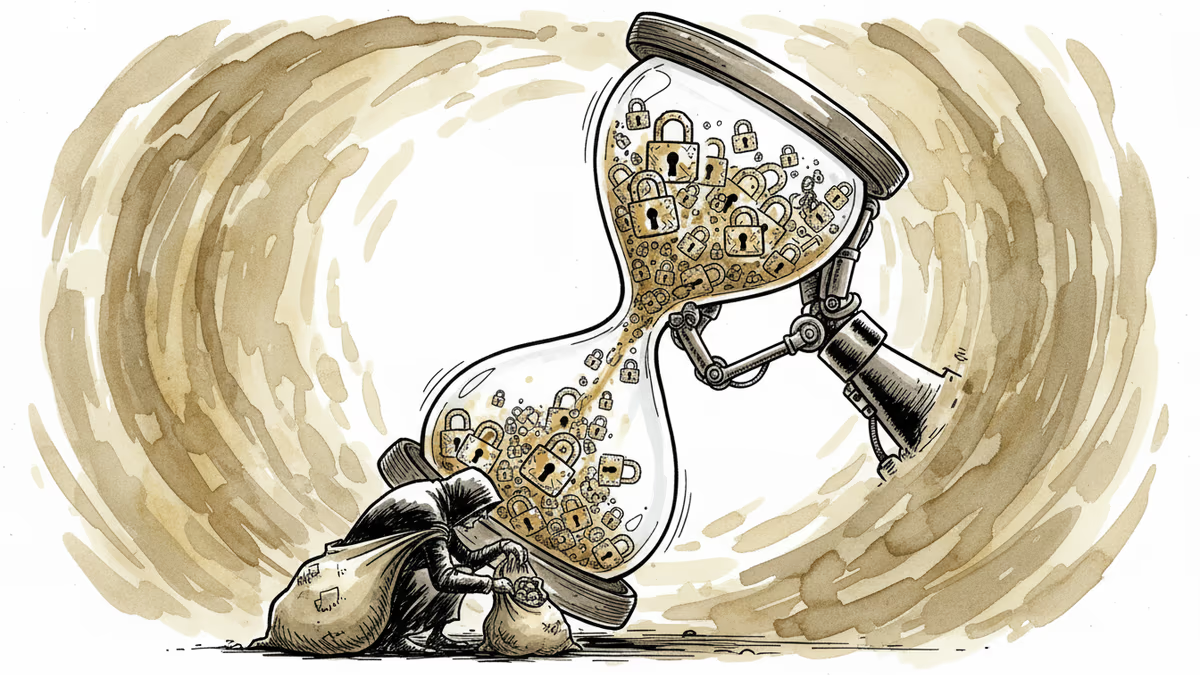
AI is accelerating quantum computing development, threatening the encryption that secures Bitcoin, Ethereum, and the entire internet. Security experts warn the arms race has already begun.
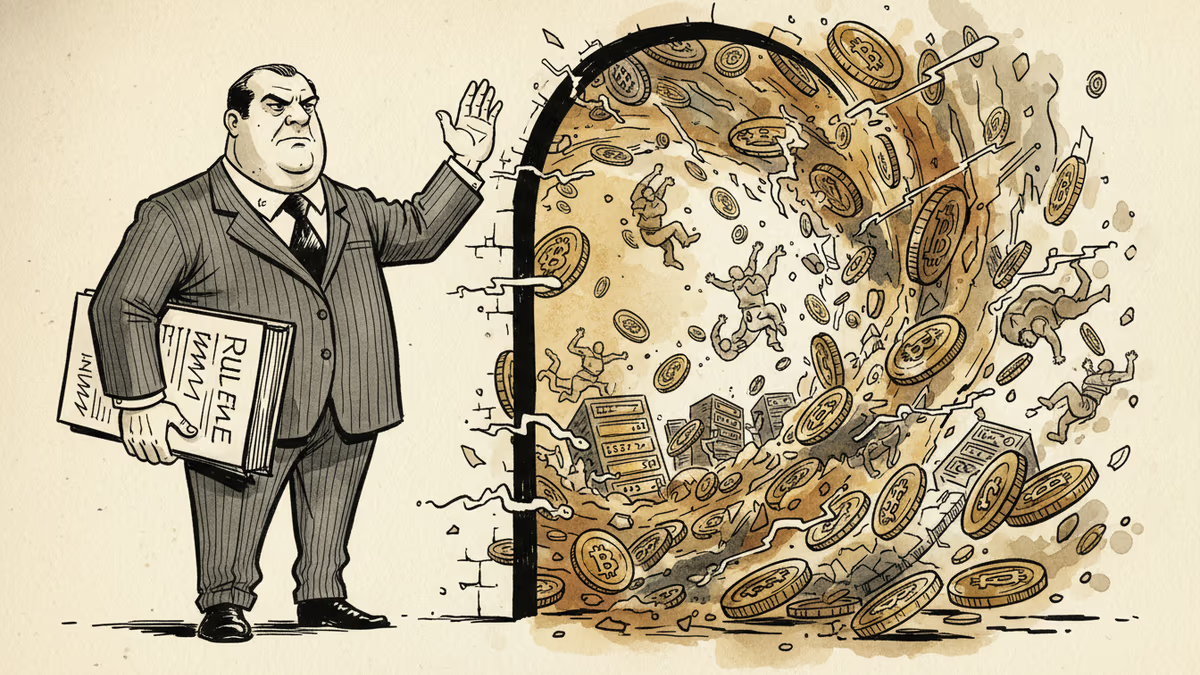
The SEC is preparing a major digital assets regulatory proposal. Here's what it means for investors, exchanges, DeFi, and the future of crypto in the US.
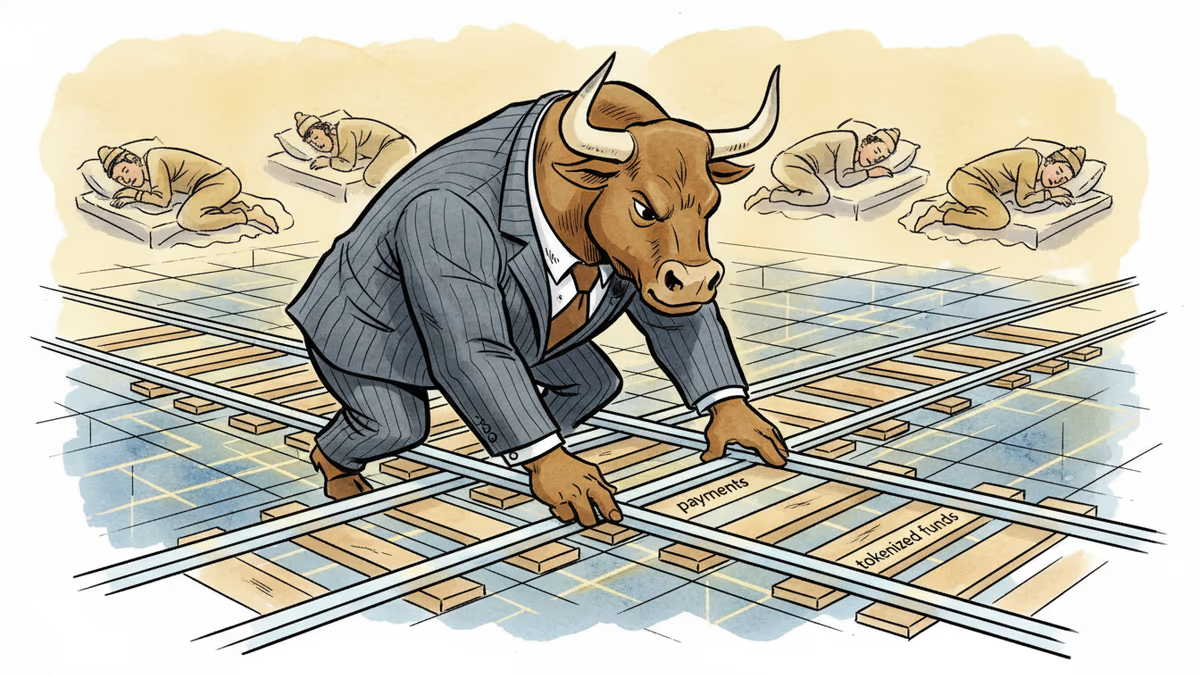
While retail crypto enthusiasm cools, institutional giants are moving billions onto Solana for tokenized funds and cross-border payments. Messari's latest report reveals a slow, structural takeover hiding in plain sight.
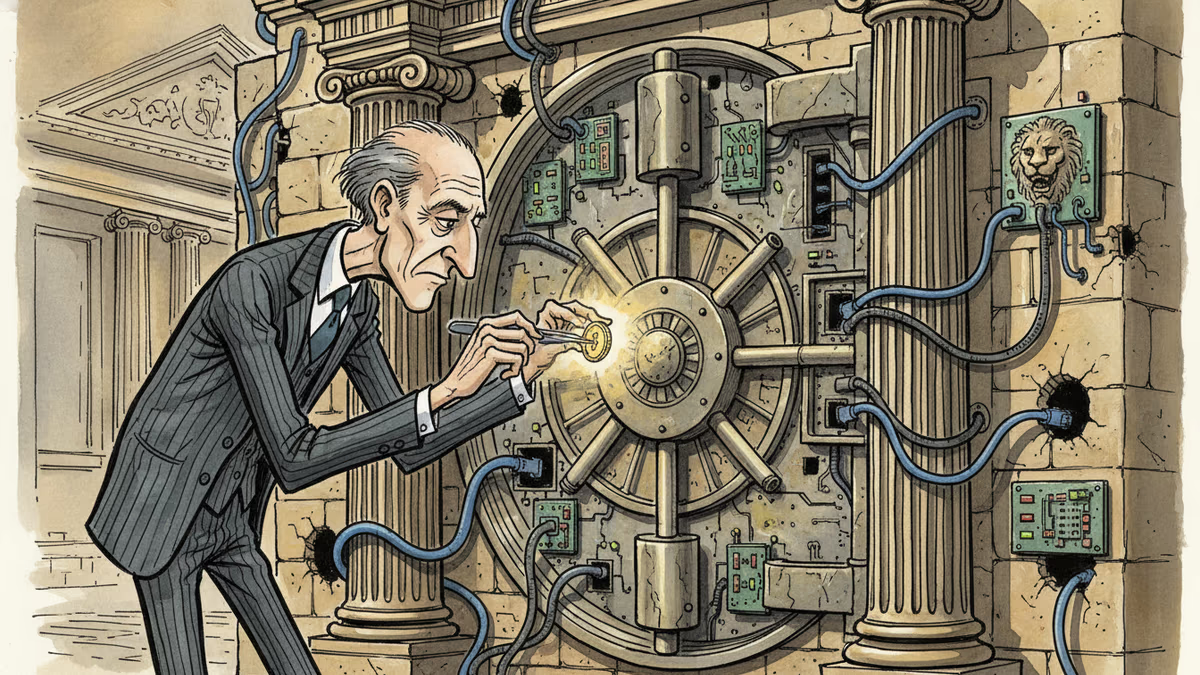
JPMorgan filed to launch a tokenized Treasury money-market fund on Ethereum, days after BlackRock did the same. The real target? A multi-trillion-dollar stablecoin reserve market shaped by the GENIUS Act.
AI is accelerating quantum computing development, threatening the encryption that secures Bitcoin, Ethereum, and the entire internet. Security experts warn the arms race has already begun.
The SEC is preparing a major digital assets regulatory proposal. Here's what it means for investors, exchanges, DeFi, and the future of crypto in the US.
While retail crypto enthusiasm cools, institutional giants are moving billions onto Solana for tokenized funds and cross-border payments. Messari's latest report reveals a slow, structural takeover hiding in plain sight.
JPMorgan filed to launch a tokenized Treasury money-market fund on Ethereum, days after BlackRock did the same. The real target? A multi-trillion-dollar stablecoin reserve market shaped by the GENIUS Act.
Thoughts
Share your thoughts on this article
Sign in to join the conversation