

Netflix's Movie Curation Strategy: Solving the Paradox of Choice
How Netflix tackles content discovery challenges with curated recommendations, moving beyond pure algorithm-driven suggestions to help users navigate overwhelming choice.
With over 15,000 titles available, why does finding the perfect movie on Netflix still feel like searching for a needle in a haystack?
Netflix's latest curated movie recommendations reveal more than just editorial taste—they expose a fundamental challenge facing every streaming platform: the paradox of choice. When options multiply, satisfaction often diminishes, and the very abundance meant to delight users can paralyze them instead.
The 18-Minute Problem
Internal Netflix data shows users spend an average of 18 minutes browsing before settling on something to watch. That's nearly a quarter of a typical TV episode spent just deciding what to consume. Worse yet, 40% of users who can't find suitable content within this window abandon the platform entirely for that session.
This isn't just a user experience issue—it's an existential threat. In an era where Disney+, Amazon Prime, and HBO Max are all vying for screen time, the platform that solves discovery wins retention. Netflix's 76% recommendation accuracy rate gives it a 15-20 percentage point advantage over competitors, but pure algorithmic approaches have hit diminishing returns.
Beyond the Algorithm
What makes this curated list particularly interesting is its human touch. Rather than relying solely on machine learning models trained on viewing patterns, Netflix is betting on editorial curation. The selection spans from George Clooney's Broadway debut to Bong Joon-ho's Okja, suggesting a deliberate attempt to balance algorithmic predictions with human intuition about what makes a compelling viewing experience.

This hybrid approach addresses a key limitation of pure recommendation engines: they excel at predicting what you'll like based on what you've already watched, but struggle with serendipity—those unexpected discoveries that often become favorites. How do you algorithmically recommend something completely outside a user's established preferences?
The Global Context
Netflix's curation strategy also reflects its global ambitions. Including Norwegian kaiju film Troll 2 alongside mainstream Hollywood fare signals an intent to expose audiences to international content they might never discover through algorithmic recommendations alone. This matters financially—global content often costs significantly less to license than Hollywood blockbusters while potentially reaching untapped audience segments.
The streaming wars have evolved beyond simple content acquisition. Disney+ leverages nostalgia and franchise familiarity, Amazon Prime bundles with shopping benefits, and Apple TV+ focuses on prestige original programming. Netflix's competitive moat increasingly depends on superior content discovery rather than exclusive titles.
The Curation Economy
This shift toward human curation reflects broader trends across digital platforms. Spotify employs thousands of playlist curators alongside its algorithmic recommendations. YouTube promotes "trending" content that balances algorithmic signals with editorial judgment. Even TikTok, despite its algorithmic reputation, relies heavily on human moderators to shape what goes viral.
The question becomes: what's the optimal balance between personalization and editorial guidance? Too much algorithmic filtering creates echo chambers; too little leaves users overwhelmed by choice.
Authors
Related Articles
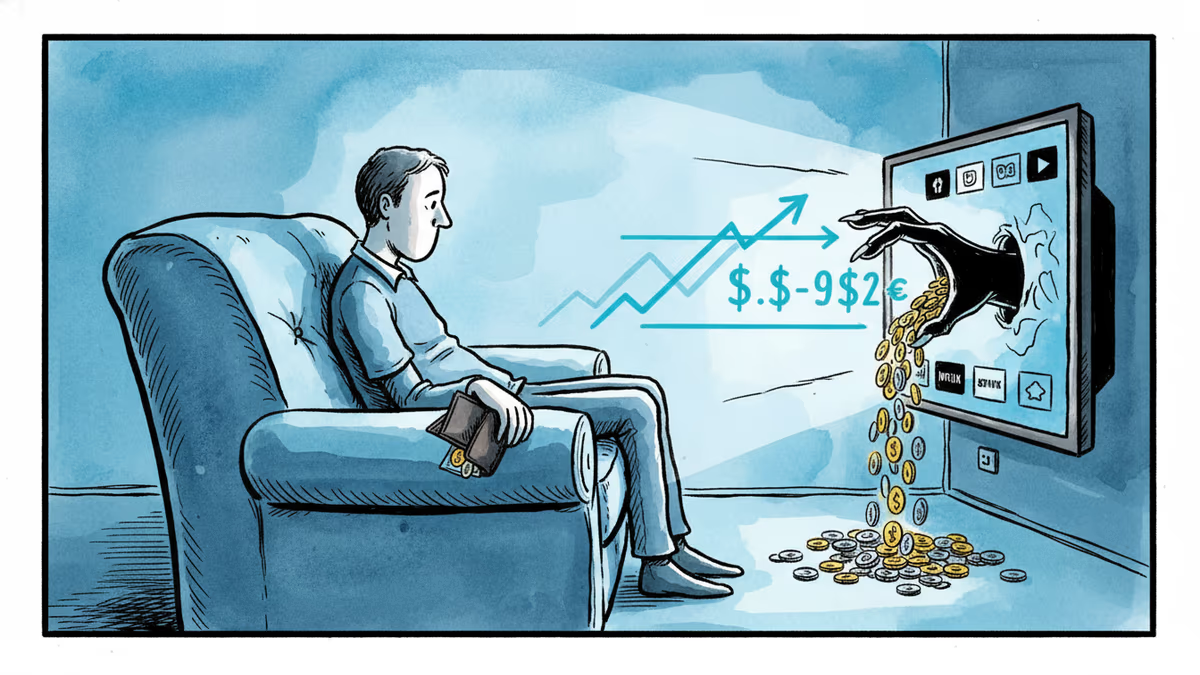
Netflix has hiked prices across all plans, including its ad-supported tier, just 14 months after its last increase. What this means for subscribers, competitors, and the future of streaming economics.
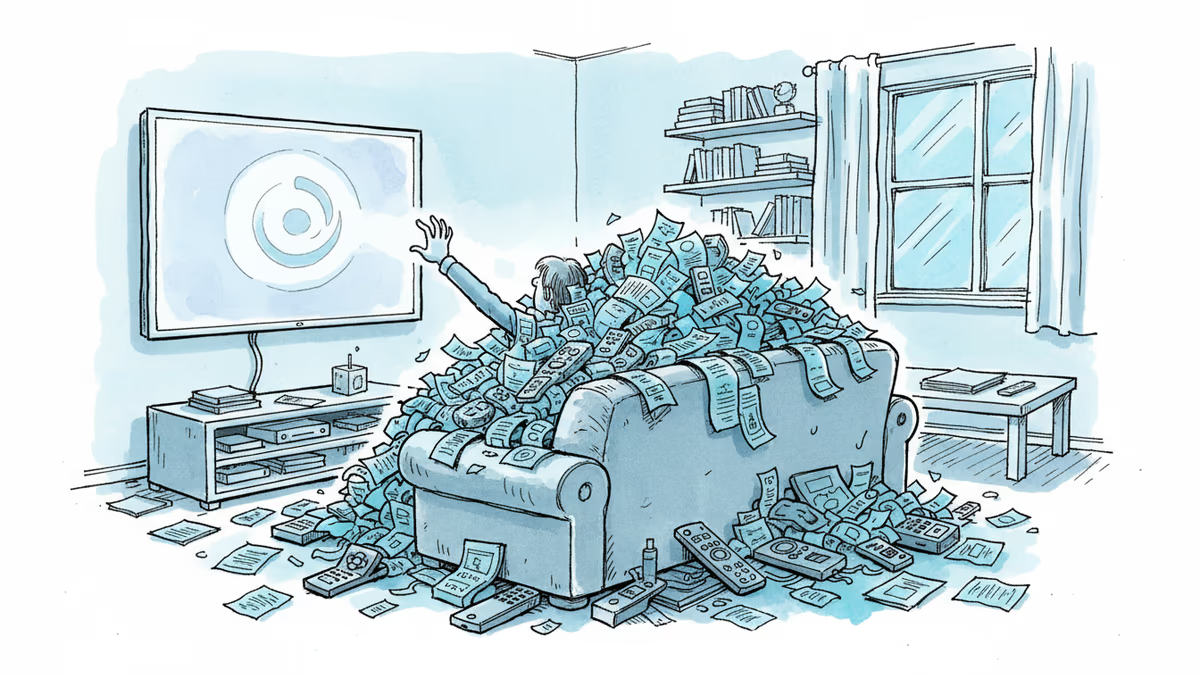
Streaming prices have doubled in a decade. Netflix, Disney, HBO Max — every platform is charging more and adding ads. Here's why, and what it means for you.
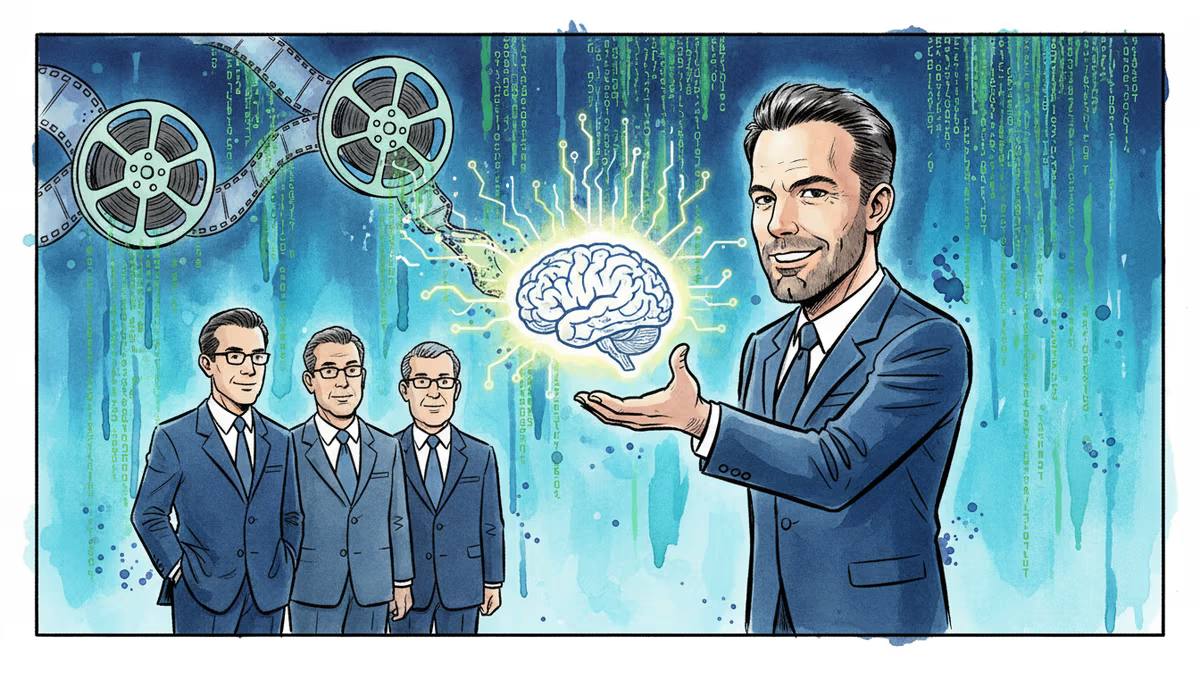
Netflix acquired Ben Affleck's AI company InterPositive, signaling a major shift in how streaming giants plan to revolutionize content production and compete in Hollywood.
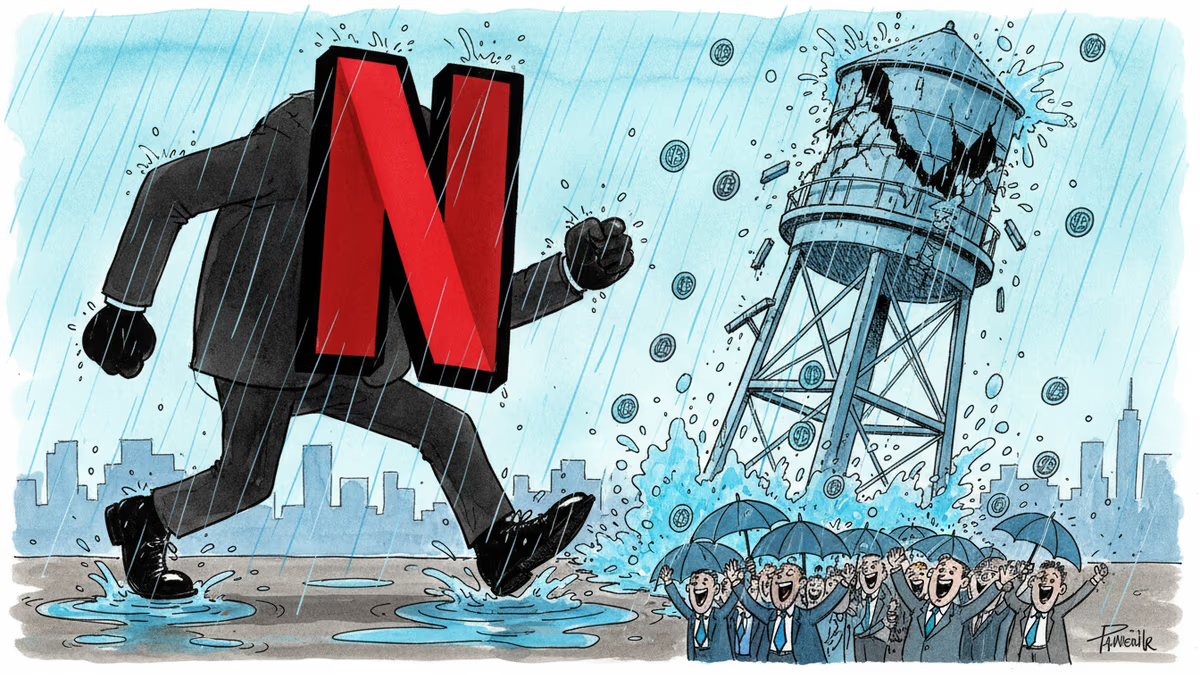
Netflix's shocking withdrawal from the Warner Bros. acquisition reveals deeper tensions between growth ambitions and shareholder demands in the streaming wars.
Netflix has hiked prices across all plans, including its ad-supported tier, just 14 months after its last increase. What this means for subscribers, competitors, and the future of streaming economics.
Streaming prices have doubled in a decade. Netflix, Disney, HBO Max — every platform is charging more and adding ads. Here's why, and what it means for you.
Netflix acquired Ben Affleck's AI company InterPositive, signaling a major shift in how streaming giants plan to revolutionize content production and compete in Hollywood.
Netflix's shocking withdrawal from the Warner Bros. acquisition reveals deeper tensions between growth ambitions and shareholder demands in the streaming wars.
Thoughts
Share your thoughts on this article
Sign in to join the conversation