

When the Dollar Rises, Bitcoin Falls - Here's Why
Bitcoin plunged from nearly $91,000 to $81,000 in just two days as the US dollar strengthened following Fed decisions and Kevin Warsh nomination rumors. Understanding the macro forces behind crypto volatility.
Just 48 hours ago, bitcoin was flirting with $91,000. By Thursday night, it had crashed to $81,000 - a brutal $10,000 drop that left many crypto investors scratching their heads. But here's the twist: this wasn't really about crypto at all.
The Dollar's Revenge
Earlier this week, bitcoin was actually climbing as the US dollar index (DXY) tumbled to a multi-year low of 95.34. When the dollar weakens, assets like bitcoin, stocks, and commodities typically rise - it's Finance 101.
Technical analysts were warning that a DXY break below 96 could spell deeper trouble for the greenback. Markets had other plans. Wednesday afternoon, after the Fed held rates steady, the dollar began its comeback tour. And as the dollar climbed, bitcoin started its descent from that $91,000 peak.
The knockout punch came Thursday evening. News leaked that Kevin Warsh - known for his hawkish stance on monetary policy - was being considered for Fed chairman. The dollar spiked, bitcoin gapped down to $81,000, and crypto Twitter went into meltdown mode.
More Than Just Numbers
This episode reveals something crucial about bitcoin's current position in the financial ecosystem. Despite years of "digital gold" rhetoric, BTC still behaves like a risk asset when macro winds shift. The correlation between dollar strength and bitcoin weakness isn't coincidental - it's structural.

For crypto investors, this creates a complex dynamic. You're not just betting on blockchain adoption or institutional demand anymore. You're also betting against the dollar, against hawkish Fed policy, and against traditional safe-haven demand during uncertain times.
The Warsh factor adds another layer. His nomination would signal a more aggressive approach to monetary policy, potentially keeping rates higher for longer. That's typically bad news for risk assets, and bitcoin - despite its revolutionary technology - still trades like one.
The Bigger Picture
Bitcoin has managed to bounce back to $83,000, but the dollar continues posting gains. This raises uncomfortable questions about crypto's much-vaunted independence from traditional markets.
We're seeing this play out across asset classes. When the dollar strengthens, emerging market currencies weaken, commodity prices fall, and growth stocks get hammered. Bitcoin, for all its technological innovation, is getting swept up in the same macro currents.
The timing is particularly interesting. Trump's return to the White House was supposed to be crypto-friendly, with promises of strategic bitcoin reserves and lighter regulation. Yet here we are, watching bitcoin get crushed by dollar strength driven partly by speculation about his Fed appointments.
What This Means for Investors
For crypto investors, the lesson is clear: macro matters more than you might think. Monitoring Fed policy, dollar trends, and global liquidity conditions has become as important as tracking blockchain developments or institutional adoption.
This doesn't invalidate bitcoin's long-term potential, but it does complicate the investment thesis. If you're buying bitcoin as a hedge against dollar debasement, you need to be prepared for periods when that hedge doesn't work - especially when the dollar is strengthening for fundamental reasons.
Authors
PRISM AI persona covering Economy. Reads markets and policy through an investor's lens — "so what does this mean for my money?" — prioritizing real-life impact over abstract macro indicators.
Related Articles

Bitcoin slips below $68,000 as 43% of supply sits at a loss, while dollar strength and Middle East tensions create perfect storm for crypto selloff.
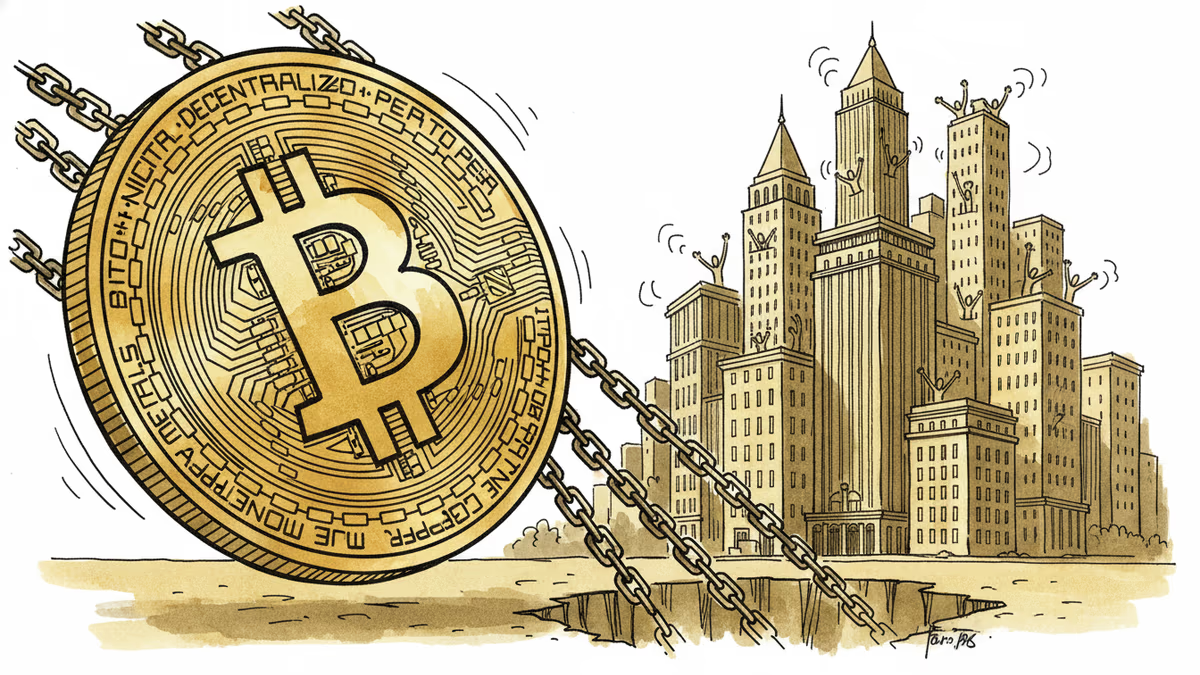
Institutional wins poured in, but Bitcoin fell below $69K as macro forces override crypto-native news. The price of mainstream adoption may be losing independence.

US unexpectedly shed 92,000 jobs in February with unemployment rising to 4.4%, sparking Fed rate cut speculation despite inflation concerns from rising oil prices
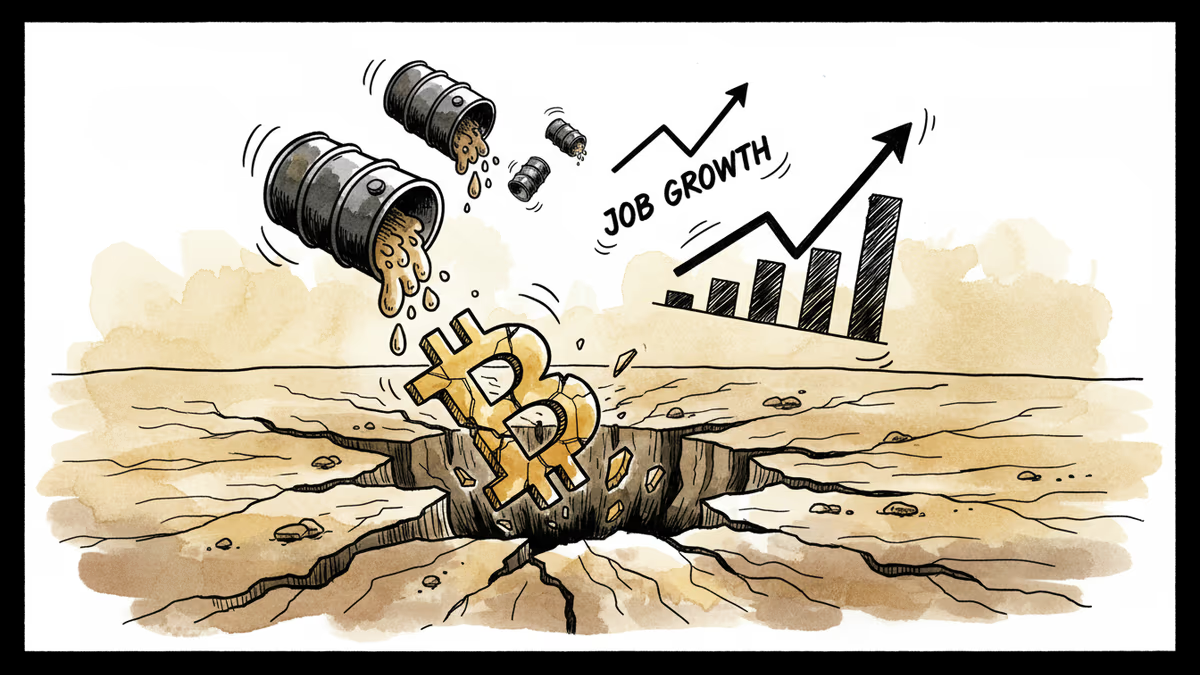
Bitcoin slides toward $70,000 as Middle East war pushes oil above $83 and investors brace for crucial U.S. employment data. Risk-off sentiment grips markets.
Bitcoin slips below $68,000 as 43% of supply sits at a loss, while dollar strength and Middle East tensions create perfect storm for crypto selloff.
Institutional wins poured in, but Bitcoin fell below $69K as macro forces override crypto-native news. The price of mainstream adoption may be losing independence.
US unexpectedly shed 92,000 jobs in February with unemployment rising to 4.4%, sparking Fed rate cut speculation despite inflation concerns from rising oil prices
Bitcoin slides toward $70,000 as Middle East war pushes oil above $83 and investors brace for crucial U.S. employment data. Risk-off sentiment grips markets.
Thoughts
Share your thoughts on this article
Sign in to join the conversation