
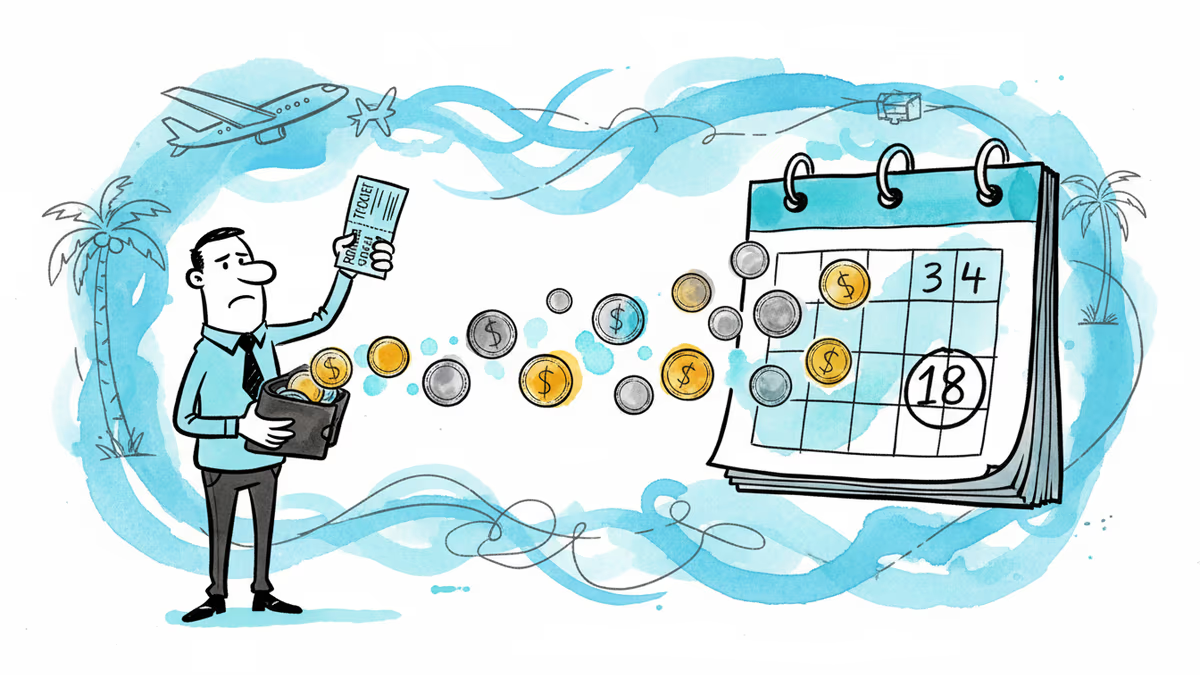
Airbnb's 'Reserve Now, Pay Later' Goes Global After 70% Adoption
Airbnb expands its deferred payment feature worldwide following 70% adoption rate in the US. The move mirrors BNPL trends but raises questions about cancellation rates and industry sustainability.
70% of Eligible Users Choose to Pay Later
Airbnb announced Tuesday it's taking its "Reserve Now, Pay Later" feature global after recording a 70% adoption rate among eligible bookings in the US. The numbers tell a clear story: when given the choice between paying upfront or securing a booking first, travelers overwhelmingly choose the latter.
The feature allows users to lock in accommodations without immediate payment, with the option to cancel without losing money upfront if plans change. Payment is deferred until closer to the check-in date, mirroring the "buy now, pay later" (BNPL) model that has transformed e-commerce.
But this isn't just about convenience—it's about fundamentally changing how people think about travel spending.
The Hidden Cost of Flexibility
Airbnb's Q4 2025 earnings revealed both the promise and the problem with deferred payments. CFO Ellie Mertz noted the feature "helped grow nights booked" and drove a shift toward larger properties, especially those with four or more bedrooms. Booking lead times also increased, suggesting travelers are planning further ahead when payment pressure is removed.
However, the company's overall cancellation rate jumped from 16% to 17% in Q4, with higher rates among users of the deferred payment option. While Mertz downplayed this as "not hugely material," it signals a potential tension between user flexibility and platform stability.

For hosts, this creates a new uncertainty. Does easier booking mean more reliable income, or does deferred payment encourage more impulsive reservations that guests later abandon?
The Psychology of Deferred Gratification—In Reverse
Airbnb's survey with London-based Focaldata found 60% of US travelers consider flexible payment options important when booking holidays, with 55% saying they'd use such options. These aren't just numbers—they reflect a fundamental shift in consumer psychology.
Traditional travel booking required immediate commitment: you pay, you're invested. The new model flips this script, allowing travelers to secure options while maintaining psychological distance from the financial commitment. It's particularly appealing in an era of economic uncertainty, where young travelers might want to book a summer trip in February but wait until their tax refund arrives to actually pay.
Airbnb has been experimenting with payment flexibility since 2018, first allowing 20% or 50% upfront payments, then partnering with Klarna in 2023 for four-installment plans over six weeks. Each iteration has moved further from the traditional "pay now, travel later" model.
The Ripple Effect Across Travel
This global expansion puts pressure on competitors. Traditional hotel chains, already struggling with Airbnb's inventory advantage, now face a payment flexibility gap. Booking.com, Expedia, and others will likely need to respond with similar offerings or risk losing price-sensitive travelers.
But the implications extend beyond travel. If BNPL succeeds in high-ticket, experiential purchases like vacations, what other industries might follow? Concert tickets? Restaurant reservations? The line between "purchase" and "option" is blurring.
Authors
Related Articles
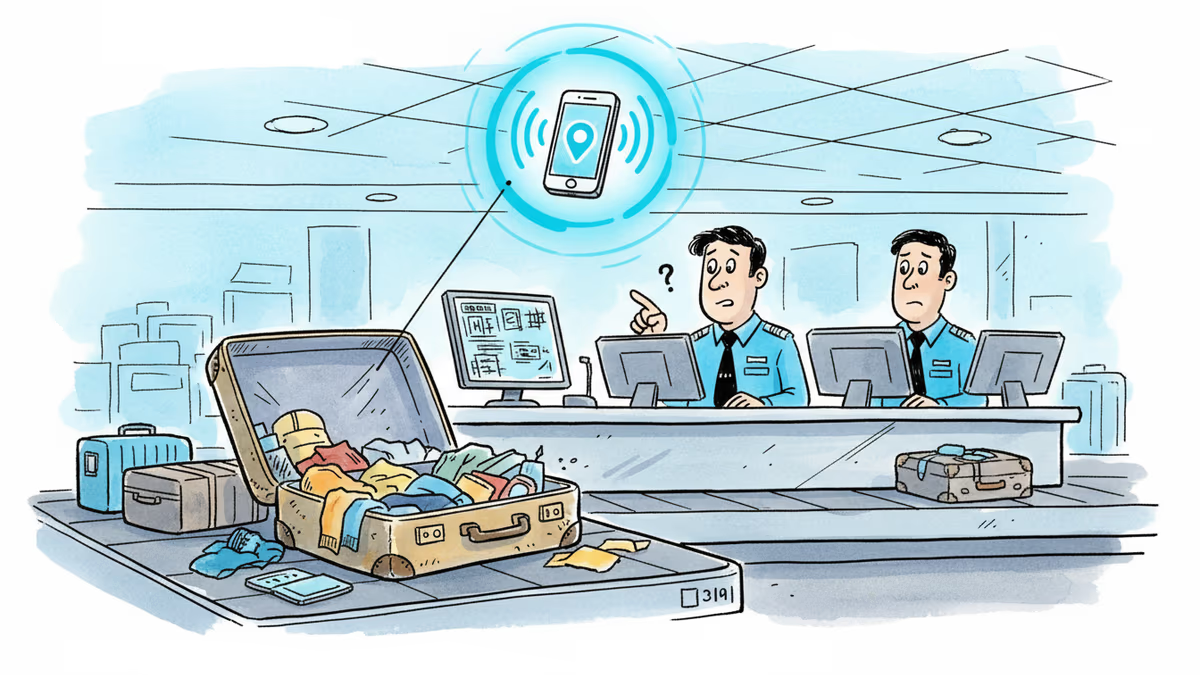
Google's new Android feature lets travelers share luggage locations directly with airlines. Ten carriers are already on board, but this shift in power dynamics between passengers and airlines runs deeper.
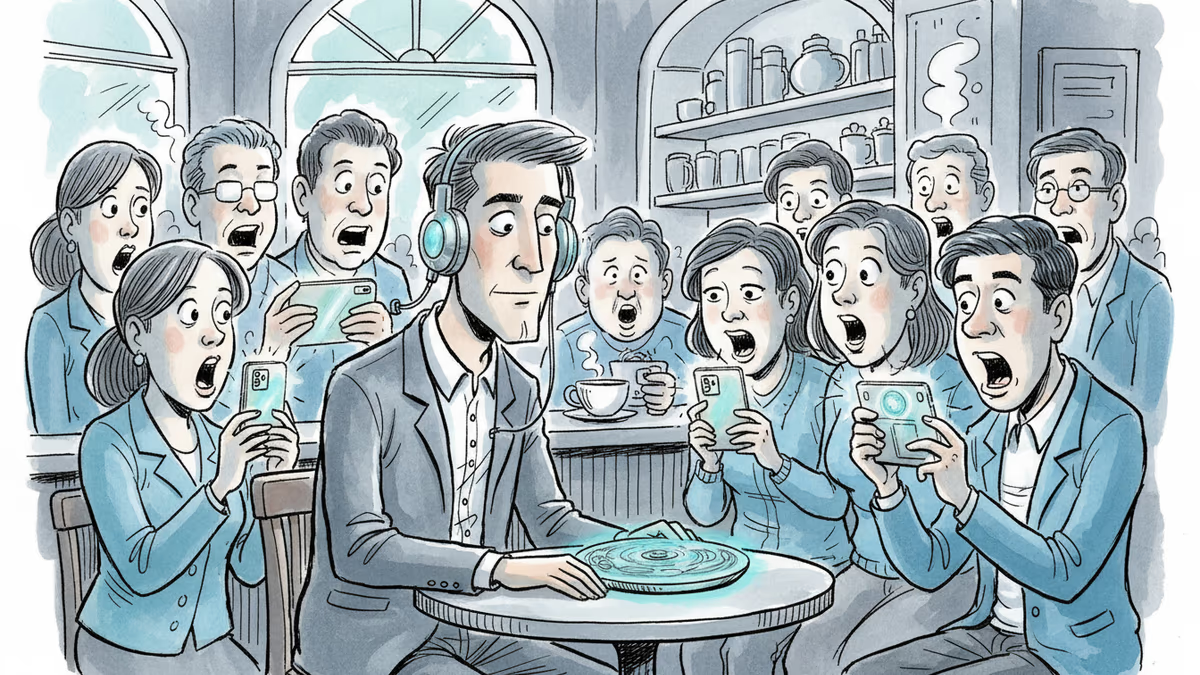
Airbnb cofounder and Trump's Chief Design Officer spotted with enigmatic metallic earbuds. Is this OpenAI's secret hardware or just expensive headphones?
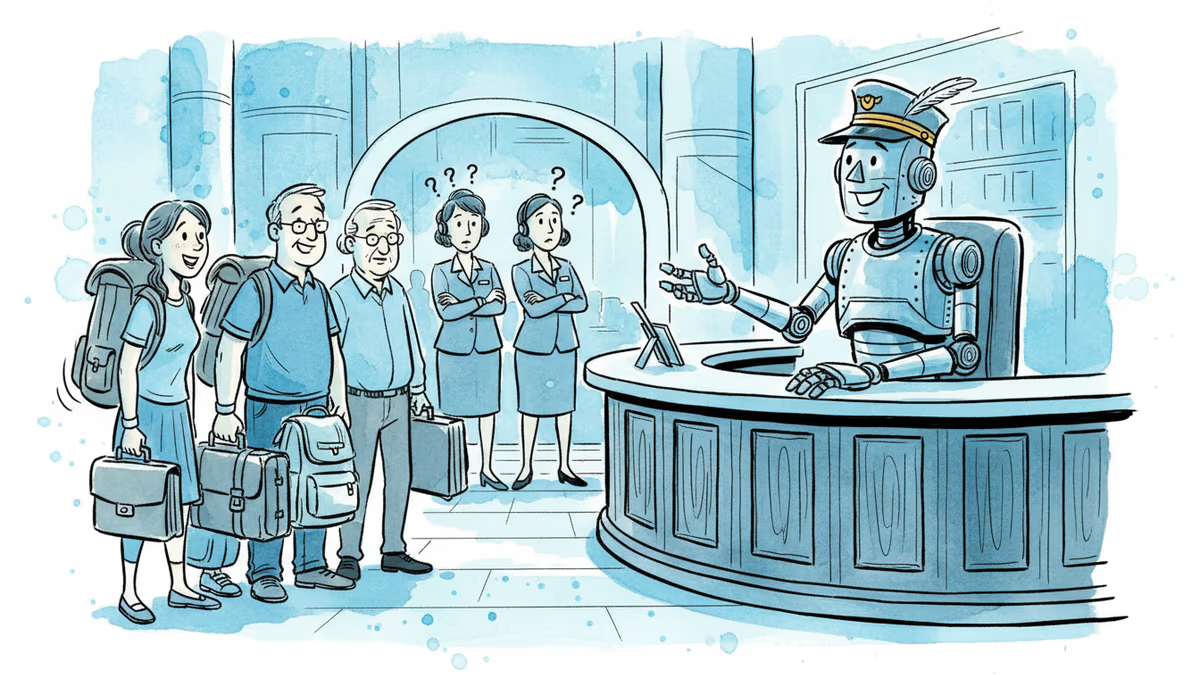
Airbnb's AI agent now handles a third of North American customer support. CEO believes AI outperforms humans. Global rollout planned within a year.
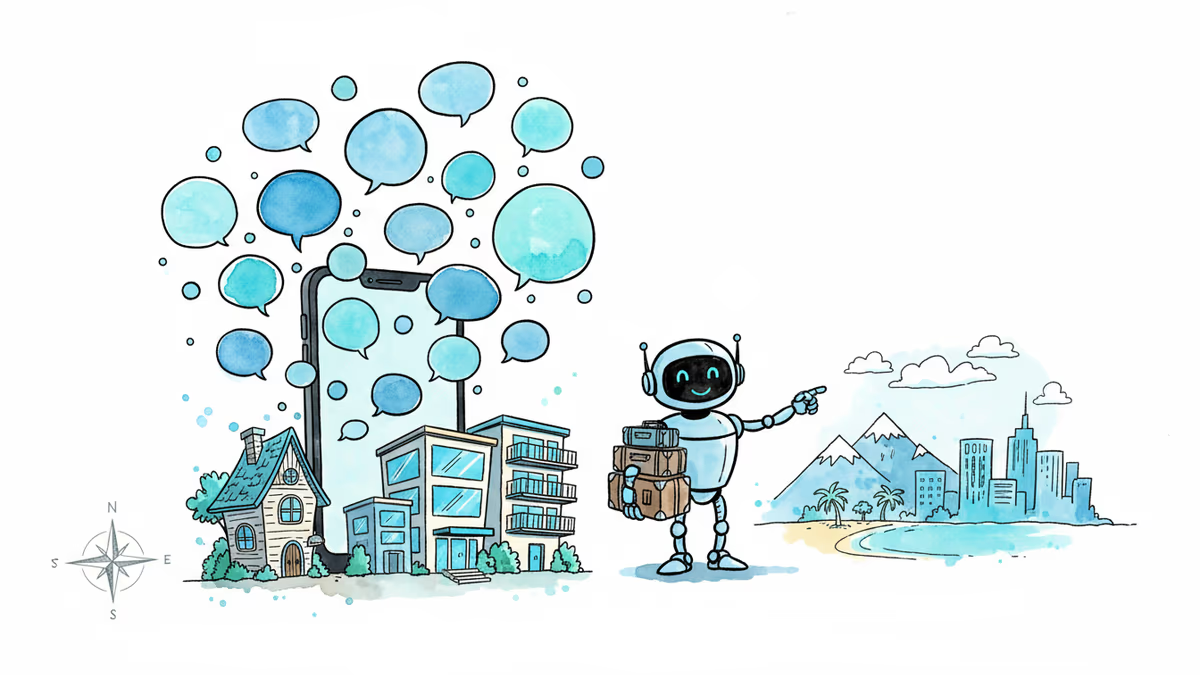
Airbnb unveils comprehensive AI strategy including natural language search, trip planning, and host support tools. CEO Brian Chesky promises an 'AI-native experience' that knows users.
Google's new Android feature lets travelers share luggage locations directly with airlines. Ten carriers are already on board, but this shift in power dynamics between passengers and airlines runs deeper.
Airbnb cofounder and Trump's Chief Design Officer spotted with enigmatic metallic earbuds. Is this OpenAI's secret hardware or just expensive headphones?
Airbnb's AI agent now handles a third of North American customer support. CEO believes AI outperforms humans. Global rollout planned within a year.
Airbnb unveils comprehensive AI strategy including natural language search, trip planning, and host support tools. CEO Brian Chesky promises an 'AI-native experience' that knows users.
Thoughts
Share your thoughts on this article
Sign in to join the conversation