
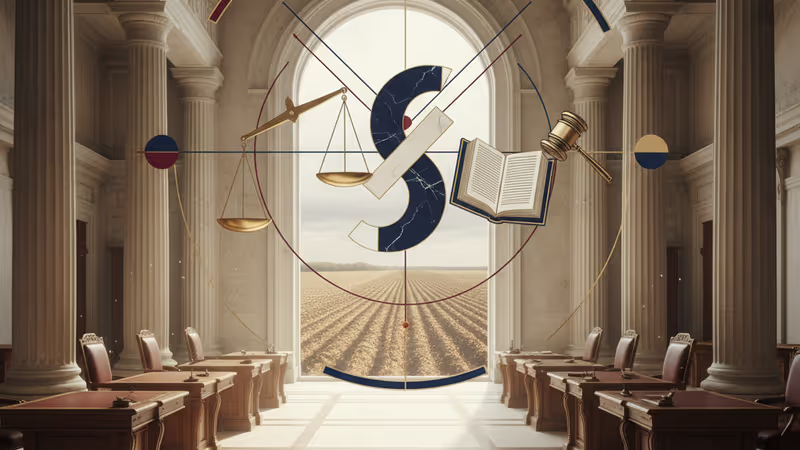
US Farm Agency Lost 20,000 Staff in First Five Months of Trump Administration
A Reuters report revealed a 20,000-person staff reduction at the USDA within the first five months of the Trump administration. This article explores the causes and potential consequences for U.S. agriculture.
The United States Department of Agriculture (USDA) saw its workforce shrink by 20,000 employees during the first five months of the Donald Trump administration, according to a report by Reuters. The sharp decline highlights the immediate impact of the administration's push to downsize the federal government on a critical agency.
Behind the Numbers: A Push for a Leaner Government
The staff reduction, which occurred between late January and June 2017, is largely seen as a direct consequence of the Trump administration's early policies. These included a federal hiring freeze, the encouragement of early retirements, and proposed budget cuts aimed at fulfilling a campaign promise to reduce the size of the federal bureaucracy.
The administration framed these moves as necessary steps to increase efficiency and cut wasteful spending. However, critics raised immediate concerns about the potential disruption to essential government services and the loss of institutional knowledge.
Potential Impacts on America's Farmland
The USDA is responsible for a vast portfolio of services crucial to the nation's agricultural sector, including food safety inspections, farm support loans, rural development programs, and scientific research. Experts warned at the time that such a rapid loss of experienced personnel could compromise the agency's ability to perform its duties effectively.
Potential consequences included delays in loan processing for farmers, gaps in regulatory oversight, and a slowdown in critical agricultural research, potentially impacting U.S. food security and rural economies. The reduction raised questions about the long-term health of the systems that support America's farmers and consumers.
The USDA's workforce reduction serves as a microcosm of the friction between a political agenda—in this case, 'draining the swamp'—and the operational realities of governance. It demonstrates how swiftly an ideological push to shrink government can affect an agency's institutional knowledge and its capacity to deliver services, raising fundamental questions about the balance between political change and administrative stability.
본 콘텐츠는 AI가 원문 기사를 기반으로 요약 및 분석한 것입니다. 정확성을 위해 노력하지만 오류가 있을 수 있으며, 원문 확인을 권장합니다.
관련 기사
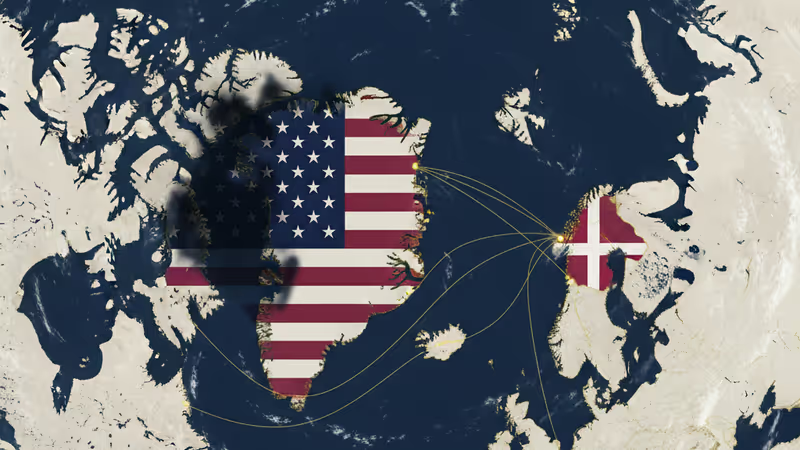
도널드 트럼프 미국 대통령이 그린란드를 '미국의 일부'로 만들겠다며 특사를 임명해 덴마크, 그린란드, EU의 강력한 반발을 사고 있다. 트럼프는 국가안보를 명분으로 내세웠다.
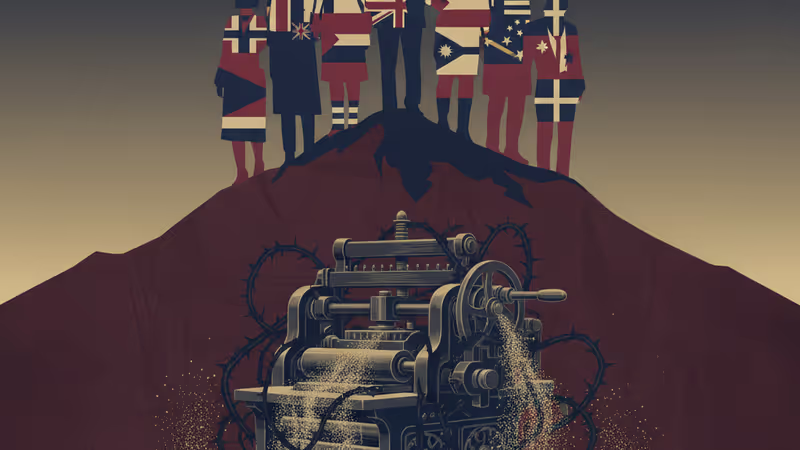
미주언론인협회(IAPA)가 중남미 지역의 언론 자유가 현저히 악화되었다는 보고서를 발표했다. 특히 니카라과, 베네수엘라, 쿠바, 엘살바도르를 최악의 사례로 지목하며 정부 주도 탄압을 경고했다.
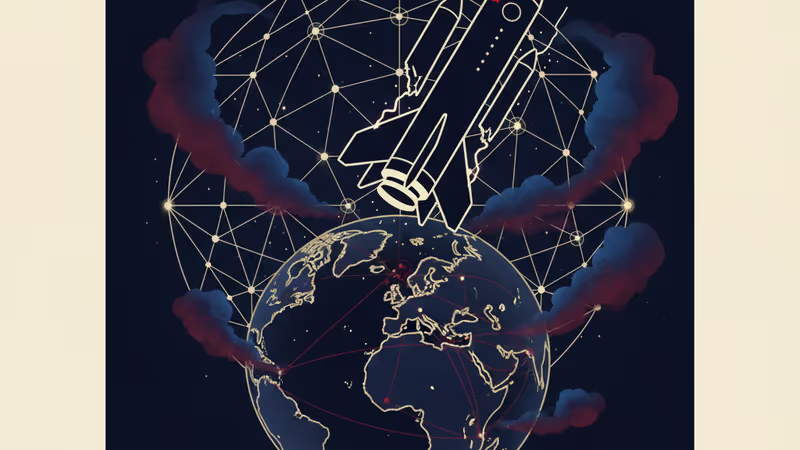
중국의 첫 국영 재사용 로켓 '창정 12A'가 발사 후 1단 추진체 회수에 실패하며, 이달 들어 두 번째 좌절을 겪었다. 미국의 스페이스X가 선도하는 재사용 기술 확보 경쟁과 중국의 거대 위성망 프로젝트에 미칠 영향을 분석한다.
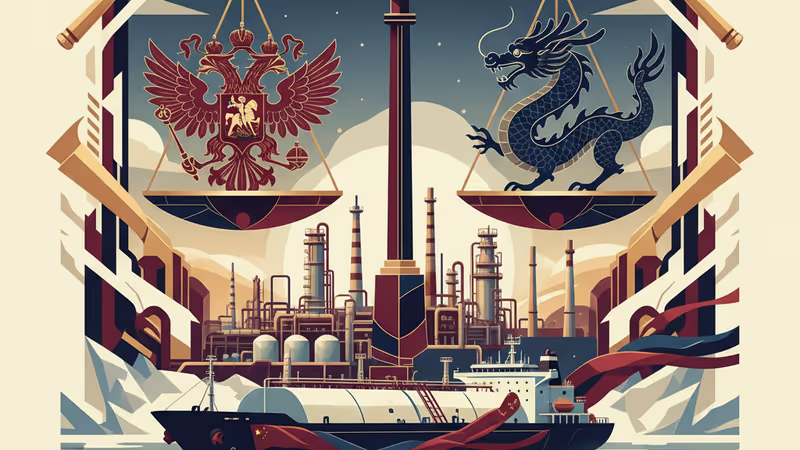
2025년 11월, 러시아의 대중국 액화천연가스(LNG) 수출이 전년 대비 142.6% 급증하며 호주를 제치고 최대 공급국으로 부상했습니다. 서방 제재에도 불구하고 '북극 LNG 2' 프로젝트 재가동이 주요 원인으로 분석됩니다.