

North Korea's Lifeline Cut? Kim Jong Un Moves to Nationalize Private 'Jangmadang' Markets by Year's End
North Korea is moving to absorb its famous 'jangmadang' private markets into the state economy by year-end. This article analyzes Kim Jong Un's strategy, the market's history, and whether this crackdown will truly end the country's resilient black market economy.
Is the engine of North Korea's grassroots economy about to be seized by the state? For decades, the informal economy has been a lifeline for ordinary citizens. Now, a recent report from sources inside the country suggests the Kim Jong Un regime is moving to incorporate private market businesses, known as the 'jangmadang', under state control by the end of this year. The move signals a decisive shift from the tacit acceptance that characterized the first nine years of Kim Jong Un's rule toward a broader reassertion of central authority.
From Famine's Offspring to Economic Pillar
The jangmadang's origins trace back to the devastating 'Arduous March' famine of the mid-1990s. As the state's Public Distribution System collapsed, North Koreans, facing starvation, began bartering and selling goods to survive. What started as small-scale trades—a haircut for some fish, excess vegetables for other necessities—grew into a sprawling network. This was fueled by smugglers bringing in goods from across the Chinese border, creating a de facto free market economy that became essential for survival and even offered a chance for social mobility.
COVID-19: The Perfect Pretext for a Crackdown
When Kim Jong Un took power in 2011, his government largely turned a blind eye to the jangmadang. Dismantling them was complicated; a deep-rooted system of bribery involved state officials, and the markets had created a new class of wealthy entrepreneurs known as the 'donju.' Furthermore, the markets had become too integral to daily life. However, for the regime, the jangmadang posed a threat, allowing contraband like USB drives and cell phones to enter the country and reducing the populace's reliance on the state.
The COVID-19 pandemic offered the perfect opportunity to change course. In January 2020, North Korea sealed its borders, deploying special forces with shoot-to-kill orders. While framed as a public health measure, this move effectively choked off the smuggling that fueled the jangmadang. The regime then began a gradual process of co-opting the markets, first by opening state-sanctioned facilities for trade and now, it appears, by mandating full integration.
本コンテンツはAIが原文記事を基に要約・分析したものです。正確性に努めていますが、誤りがある可能性があります。原文の確認をお勧めします。
関連記事
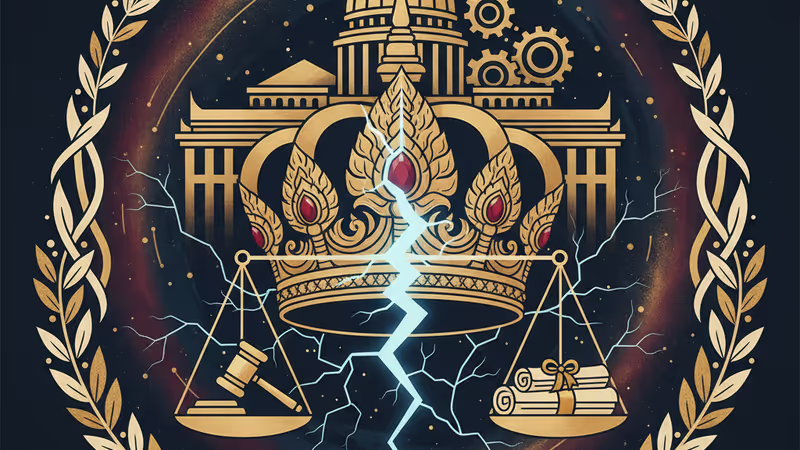
長年、独裁体制が続くと見られてきたカンボジアで、エリート層の内部対立という構造的脆弱性が露呈している。国際社会の対中政策を軸としたアプローチはなぜ失敗したのか、そして今後の展望を分析する。

ナイジェリア北東部ボルノ州の州都マイドゥグリのモスクで爆発が発生。夕方の礼拝中を狙った攻撃で、少なくとも7人が死亡したと報じられている。過激派組織ボコ・ハラムの活動地域で緊張が高まっています。
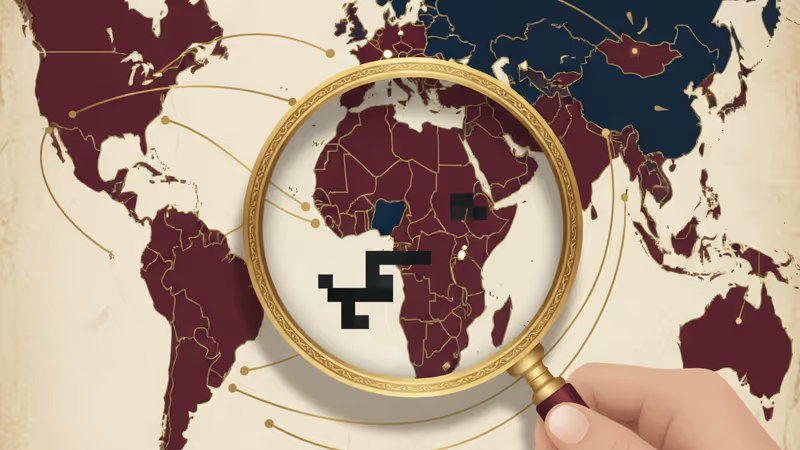
米司法省は、ジェフリー・エプスタイン事件に関連する可能性のある100万件以上の追加文書を発見したと発表しました。透明化法に基づき、被害者保護のための編集作業を経て数週間以内に公開される見込みです。
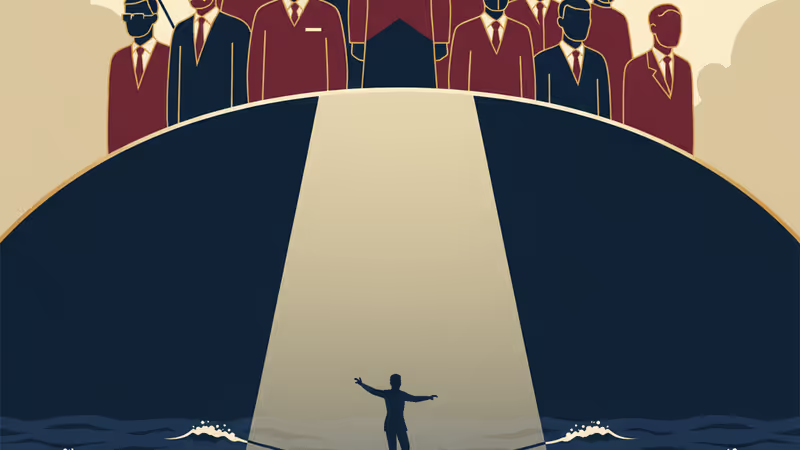
2025年、パキスタンはインドとの軍事衝突を機に国際舞台へ復帰。米国との関係改善や中東での影響力を拡大したが、国内では経済的苦境と政治的対立が続いている。その光と影を分析する。
長年、独裁体制が続くと見られてきたカンボジアで、エリート層の内部対立という構造的脆弱性が露呈している。国際社会の対中政策を軸としたアプローチはなぜ失敗したのか、そして今後の展望を分析する。
ナイジェリア北東部ボルノ州の州都マイドゥグリのモスクで爆発が発生。夕方の礼拝中を狙った攻撃で、少なくとも7人が死亡したと報じられている。過激派組織ボコ・ハラムの活動地域で緊張が高まっています。
米司法省は、ジェフリー・エプスタイン事件に関連する可能性のある100万件以上の追加文書を発見したと発表しました。透明化法に基づき、被害者保護のための編集作業を経て数週間以内に公開される見込みです。
2025年、パキスタンはインドとの軍事衝突を機に国際舞台へ復帰。米国との関係改善や中東での影響力を拡大したが、国内では経済的苦境と政治的対立が続いている。その光と影を分析する。