
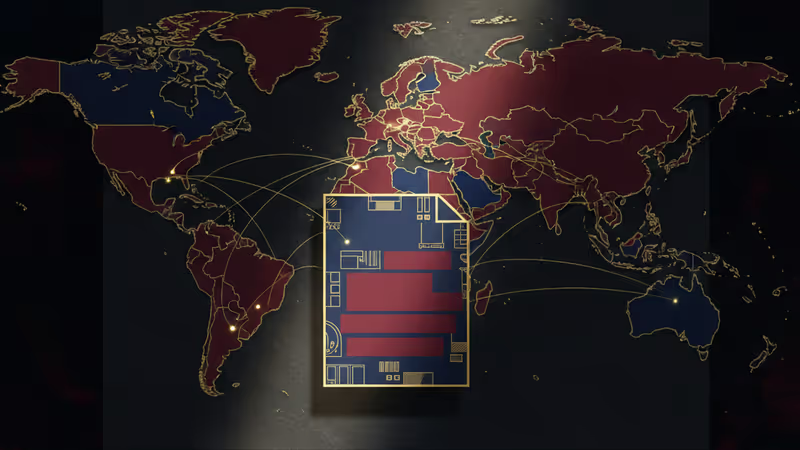
The Sde Teiman Leak: Inside the Torture Allegations Rocking Israel's Security State
A whistleblower leak alleging torture at Israel's Sde Teiman detention center has caused an international scandal. We analyze the fallout and what it means for media ethics and state accountability.
How far can a state go in the name of national security? A leak detailing allegations of torture and abuse at the Sde Teiman detention center in Israel has ignited a global firestorm, thrusting the country's information control and military ethics into the heart of an international debate.
Outrage, Leaks, and Allegations
According to reports stemming from a whistleblower, systematic abuse has been inflicted upon Palestinian detainees at the Sde Teiman facility. The leaked documents are said to describe inmates being blindfolded and handcuffed for extended periods, subjected to beatings, and held in inhumane conditions. This information appears to contradict the official narrative of the Israel Defense Forces (IDF), amplifying the fallout from the revelations.
Official Response and International Pressure
In response to the growing scandal, the Israeli government and the IDF have stated that they are investigating the claims. However, they've faced criticism for what many see as a wall of silence, offering no specific details or commitments to accountability. In contrast, international human rights organizations like Amnesty International and Human Rights Watch immediately called for a transparent investigation. They argue the affair may not be an isolated incident but a systemic issue, underscoring the need for an independent, international probe.
These aren't just allegations; they are a critical test of the rule of law. A state's commitment to justice is measured by how it treats those it holds captive, even its enemies.
Media, Money, and the Dominant Narrative
The Sde Teiman affair arrives amidst spiralling violence in the West Bank, raising broader questions about Israel's security policies. It has also reignited the debate over how Western media, particularly in the US, covers issues related to its allies. Critics point to an alleged double standard, where myths like the 'narco-state' are eagerly pursued while allegations against allied nations receive less scrutiny. Ultimately, this leak is forcing a conversation that extends beyond human rights to the complex interplay of media, money, and power in shaping political discourse.
本コンテンツはAIが原文記事を基に要約・分析したものです。正確性に努めていますが、誤りがある可能性があります。原文の確認をお勧めします。
関連記事
ナイジェリア北東部ボルノ州の州都マイドゥグリのモスクで爆発が発生。夕方の礼拝中を狙った攻撃で、少なくとも7人が死亡したと報じられている。過激派組織ボコ・ハラムの活動地域で緊張が高まっています。
米司法省は、ジェフリー・エプスタイン事件に関連する可能性のある100万件以上の追加文書を発見したと発表しました。透明化法に基づき、被害者保護のための編集作業を経て数週間以内に公開される見込みです。
2025年、パキスタンはインドとの軍事衝突を機に国際舞台へ復帰。米国との関係改善や中東での影響力を拡大したが、国内では経済的苦境と政治的対立が続いている。その光と影を分析する。
フランスとの関係が改善する一方、日本との関係が悪化する中国。その背景を「パンダ外交」から読み解く。実はこの外交術、共産党ではなく蔣介石が1941年に始めたものだった。
ナイジェリア北東部ボルノ州の州都マイドゥグリのモスクで爆発が発生。夕方の礼拝中を狙った攻撃で、少なくとも7人が死亡したと報じられている。過激派組織ボコ・ハラムの活動地域で緊張が高まっています。
米司法省は、ジェフリー・エプスタイン事件に関連する可能性のある100万件以上の追加文書を発見したと発表しました。透明化法に基づき、被害者保護のための編集作業を経て数週間以内に公開される見込みです。
2025年、パキスタンはインドとの軍事衝突を機に国際舞台へ復帰。米国との関係改善や中東での影響力を拡大したが、国内では経済的苦境と政治的対立が続いている。その光と影を分析する。
フランスとの関係が改善する一方、日本との関係が悪化する中国。その背景を「パンダ外交」から読み解く。実はこの外交術、共産党ではなく蔣介石が1941年に始めたものだった。