
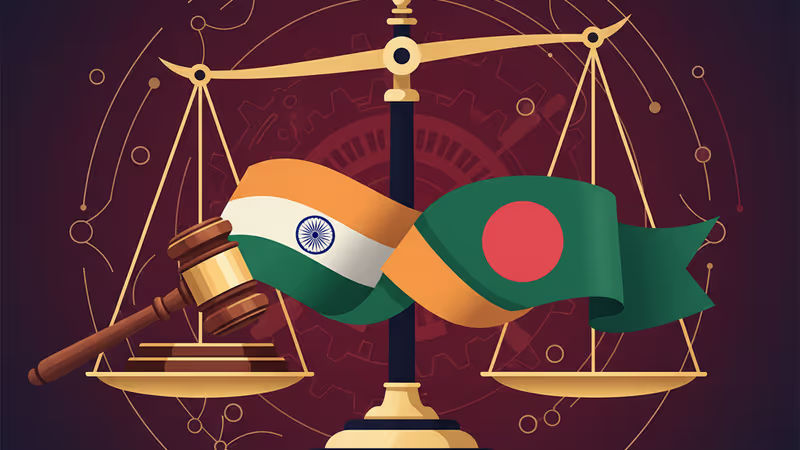
India's Hasina Headache: Why Extraditing a Former Ally is a Diplomatic Minefield
India faces a diplomatic and legal test after Bangladesh requests the extradition of former PM Sheikh Hasina, who was sentenced to death. This article analyzes the serious legal hurdles and geopolitical stakes.
New Delhi is navigating a complex legal and geopolitical dilemma after Bangladesh's interim government formally requested the extradition of former Prime Minister Sheikh Hasina, who was sentenced to death in November. India's decision on the fate of its erstwhile ally will test its strategic interests, legal obligations, and humanitarian principles, with significant consequences for the South Asian landscape.
The request, filed by the Muhammad Yunus-led interim government, invokes a 2013 extradition treaty between the two nations. Dhaka insists the treaty obligates India to return any person convicted of serious crimes. India's response has been cautious, with its External Affairs Ministry stating only that the request is "under examination."
The path to extradition, however, is fraught with legal hurdles. Under India's 1962 Extradition Act, a magistrate must first determine if a 'prima facie' case exists. But two major obstacles loom larger: the nature of the charges and the penalty.
A key provision in extradition law allows a state to refuse a request if it determines the offense is 'of a political character.' Given the swift judicial process following a change in government, India could argue the charges against Hasina are politically motivated, providing a legal basis for refusal.
The most significant barrier is the death sentence. Both Indian law and international human rights norms strongly discourage extraditing individuals to countries where they face capital punishment, unless ironclad assurances are given that the sentence won't be carried out. India has a history of denying extradition on these humanitarian grounds.
本コンテンツはAIが原文記事を基に要約・分析したものです。正確性に努めていますが、誤りがある可能性があります。原文の確認をお勧めします。
関連記事

米国の有力保守系シンクタンク、ヘリテージ財団で職員十数人が集団離職。反ユダヤ主義などを唱える右派インフルエンサーの処遇を巡る内部の路線対立が表面化し、米保守運動全体の分裂を象徴している。
韓国の与党「共に民主党」が、これまで反対してきた「統一教会」疑惑に関する特別検察官の導入を電撃的に受け入れた。与野党間の政治的計算が交錯する中、世論の強い支持を背景に政界を揺るがす捜査が本格化する見通しだ。

ガザ地区で約2000年の歴史を持つ大オマリ・モスクが、続く紛争の中で廃墟と化しました。この文化遺産の破壊が意味するものと、紛争下における歴史的建造物保護の課題について解説します。
2025年の会期末を迎え、米連邦議会の立法実績は乏しく、引退議員が増加しています。複数の元議員が「議会は昏睡状態にある」と現状に深刻な懸念を表明し、問題は長年かけて形成されたものだと指摘しています。