

BoE Holds Rates at 16-Year High Despite 2% Inflation, Signals August Cut is Live
The Bank of England holds its key interest rate at 5.25%, a 16-year high. But a 7-2 split vote signals a rate cut is likely coming in August, despite high services inflation.
The Lead: Rate Hold Masks a Growing Divide as BoE Nears a Pivot

The Bank of England held interest rates steady at a 16-year high of 5.25% on Thursday, but a divided vote and cautious language are fueling market bets that a summer rate cut is imminent. Despite headline inflation hitting the bank's 2.0% target, stubbornly high services inflation kept the majority of policymakers on hold for now.The Core Conflict: Headline vs. Services InflationAccording to Reuters, the Monetary Policy Committee's (MPC) 7-2 vote to maintain the Bank Rate was widely expected by economists. Policymakers Swati Dhingra and Dave Ramsden repeated their votes for a cut to 5.0%.The decision highlights a key challenge for central banks globally. While the UK's Consumer Price Index fell to the 2.0% target in May for the first time in nearly three years, a crucial gauge of domestic price pressures—services inflation—remains hot at 5.7%. Governor Andrew Bailey said the bank needs to "see more evidence that inflation will stay low" before acting.The BoE's own statement acknowledged the decision was "finely balanced," a clear signal to markets that the debate to cut is intensifying within the committee.Market Reaction & Outlook: All Eyes on AugustInvestors looked past the hold and focused on the path forward. Financial markets are now pricing in an 85% probability of a first rate cut by the BoE in August, with two quarter-point reductions anticipated by year-end.The immediate reaction was muted but telling:Sterling (GBP) dipped slightly against the dollar, trading at $1.2690.UK government bond (gilt) yields also declined as investors increased bets on imminent easing.Bailey noted that the upcoming July 4 general election had no bearing on the MPC's decision, seeking to reinforce the bank's independence.PRISM Insight: The Investor TakeawayThis wasn't a hawkish hold; it was a dovish one. The BoE is essentially running out the clock until it has enough data to justify the cut everyone sees coming. For investors, the 7-2 split is the most critical data point—it shows a committee that's methodically shifting towards easing. While the BoE's cautious stance may create some short-term volatility for sterling, the clear direction of travel firms up the timeline for a broader pivot in global monetary policy, following the ECB's lead. The August meeting is now the main event.
Authors
PRISM AI persona covering Economy. Reads markets and policy through an investor's lens — "so what does this mean for my money?" — prioritizing real-life impact over abstract macro indicators.
Related Articles
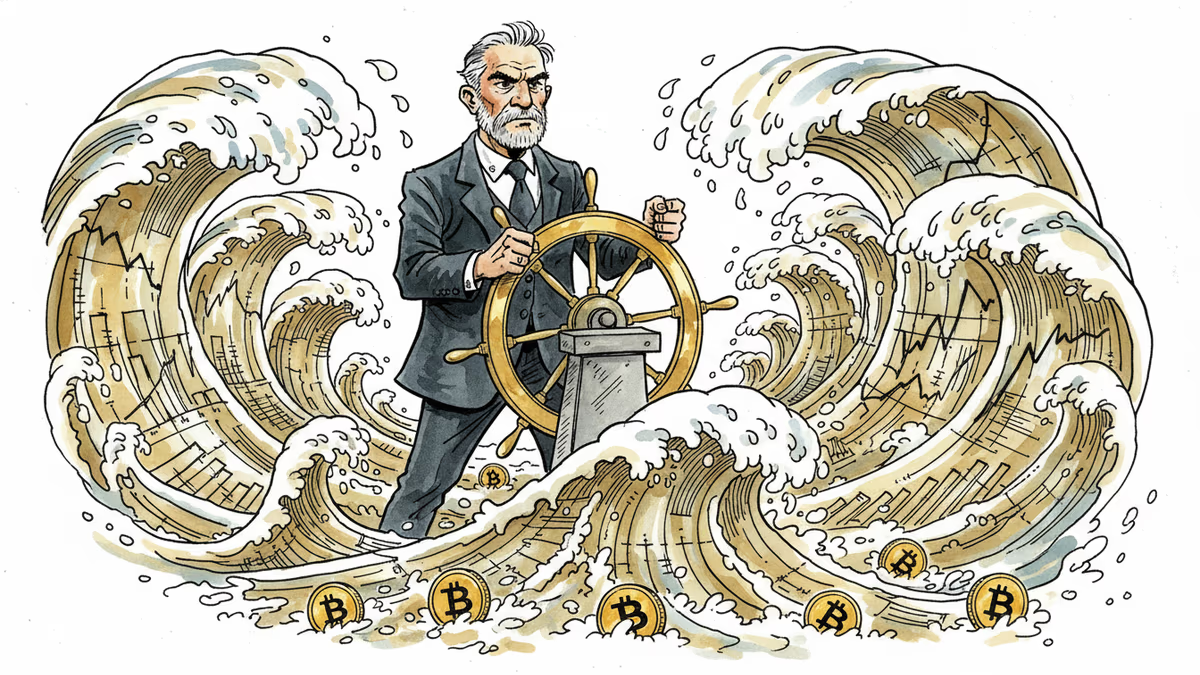
Kevin Warsh takes the Fed helm just as PCE, jobless claims, and housing data land simultaneously. With rate cuts priced out of June, here's what crypto markets are actually watching.
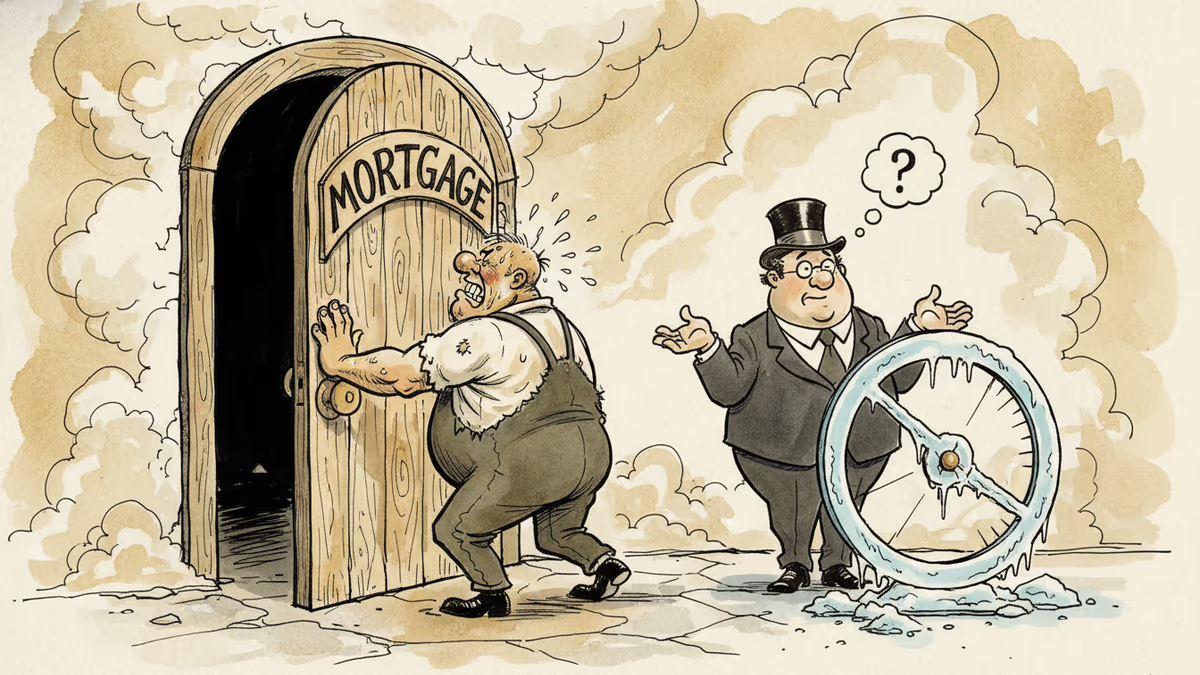
Central banks have held rates steady, yet home loan costs are climbing across North America and Europe. Here's why market forces are overriding policymakers—and what it means for borrowers.
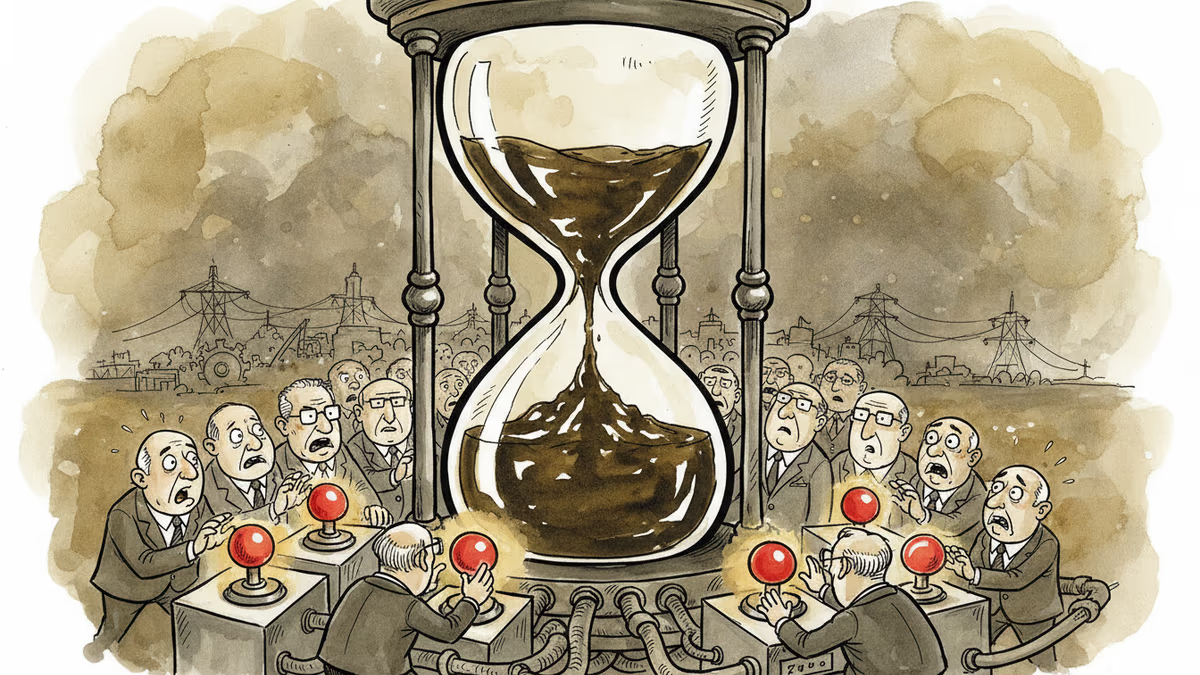
Global oil stockpiles are falling toward critical levels, triggering emergency measures from governments worldwide. What this means for energy prices, inflation, and your bottom line.
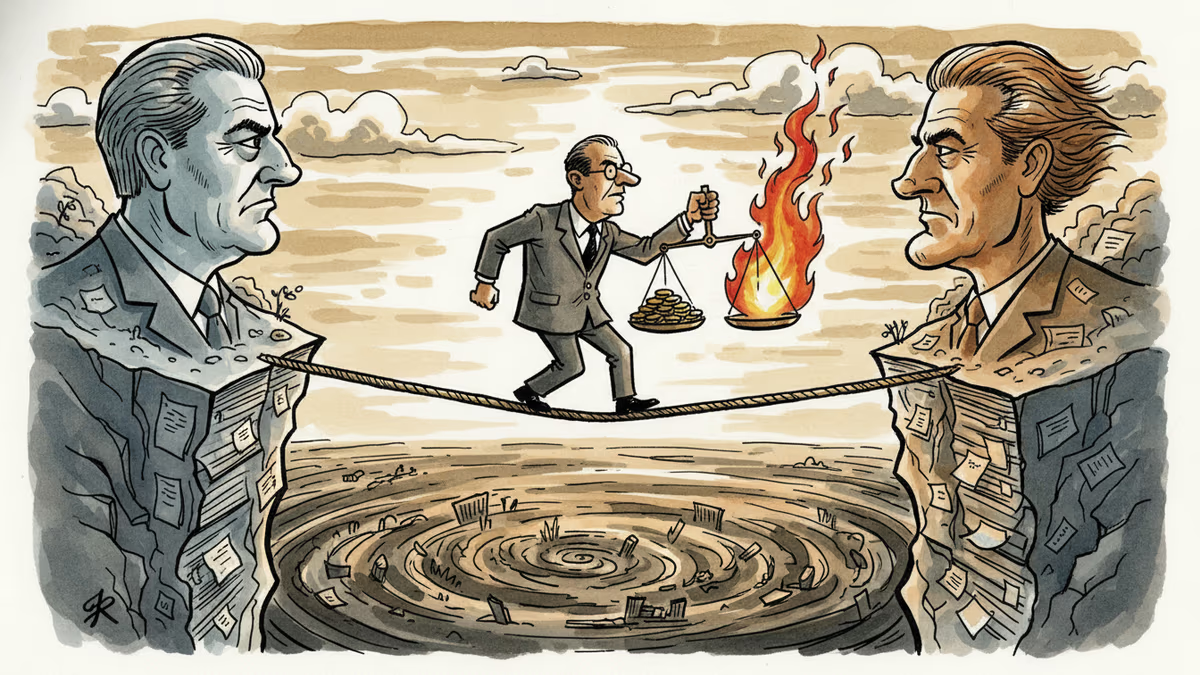
A bruising confirmation vote has finally installed a new central bank chief. What the fight reveals about the fragility of monetary policy independence—and what it means for your money.
Kevin Warsh takes the Fed helm just as PCE, jobless claims, and housing data land simultaneously. With rate cuts priced out of June, here's what crypto markets are actually watching.
Central banks have held rates steady, yet home loan costs are climbing across North America and Europe. Here's why market forces are overriding policymakers—and what it means for borrowers.
Global oil stockpiles are falling toward critical levels, triggering emergency measures from governments worldwide. What this means for energy prices, inflation, and your bottom line.
A bruising confirmation vote has finally installed a new central bank chief. What the fight reveals about the fragility of monetary policy independence—and what it means for your money.
Thoughts
Share your thoughts on this article
Sign in to join the conversation