
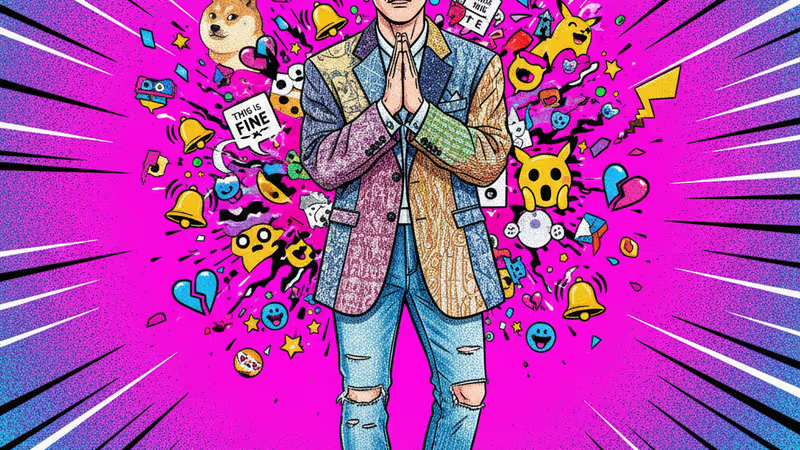
Why SHINee's Key Apologizing For a Meme is a Bigger Deal Than You Think
SHINee's Key's apology for the 'Injection Auntie' meme sparked a global debate. We break down the controversy, curate the best reactions, and explain why it matters.
TL;DR: How a K-Pop Star and a Viral Meme Ignited a Global Debate
In a turn of events nobody saw coming, SHINee's Key, one of K-pop's most beloved and internet-savvy idols, issued a formal apology over a meme. The "Injection Auntie" clip, a piece of viral internet gold, became the center of a storm that saw Key step back from TV duties, sparking a massive online debate about humor, cancel culture, and the bizarre pressures of modern stardom. This isn't just about a meme; it's about the collision of niche internet humor and global corporate PR.
The Story: From Viral Clip to PR Crisis
If you've been online in the past few months, you've probably seen her: the "Injection Auntie." The meme originated from a clip of an old Korean drama, featuring a determined-looking older woman (an 'ajumma') brandishing a syringe with comical intensity. The internet adopted her as the patron saint of forcing your unsolicited-but-well-meaning help on someone. She was the meme for everything from your friend forcing you to drink water on a night out to developers pushing a mandatory software update.
Enter SHINee's Key. Known for his sharp wit and being chronically online, he playfully impersonated the "Injection Auntie" during a skit on his hit variety show. For 99% of viewers, it was a hilarious, culturally relevant nod. But a vocal minority took issue, interpreting the impersonation as a caricature that mocked the elderly. The criticism, though small, began to gain traction online.
In a move that stunned fans and cultural commentators alike, SM Entertainment released a formal apology. Citing the need to be sensitive and acknowledging the controversy, they announced Key would be temporarily stepping down from his television appearances to "reflect." The apology, intended to quell the flames, instead poured gasoline on the fire, turning a minor online grumble into a global headline.
The Internet's Verdict: The Best Reactions
The apology broke the fandom. The reactions ranged from outrage to pure comedic gold, perfectly capturing the absurdity of the situation.
The Defenders
Fans immediately mobilized, highlighting Key's history of respectful humor and questioning the validity of the initial criticism. The hashtag #WeStandWithKey trended worldwide.
- From user @Shawol4Life: "Are you kidding me? Key is the most online idol we have. He LIVES for memes. Apologizing for this is like apologizing for breathing. This is ridiculous, let the man be funny!"
The Absurdists
Many couldn't help but point out the surreal nature of a multi-million dollar corporation issuing a press release about a viral meme.
- From culture commentator @SeoulSearching: "We have reached peak 2025. A K-pop idol is on hiatus because of a .gif of an auntie with a needle. I need to go touch grass."
- From user @MemeLordSupreme: "The Injection Auntie is now so powerful she can make idols disappear from television. Her power is unmatched. We must bow to the queen."
The Critics
While a minority, some stood by the initial criticism, arguing that context matters, especially for influential public figures.
- From user @ProgressiveStan: "It's not about the meme itself, it's about a rich, famous man impersonating an older working-class woman for laughs. The power dynamic is off. An apology and reflection isn't the worst thing."
Cultural Context: Why This Exploded
This isn't just a K-pop story; it's a perfect case study in modern internet culture. In South Korea, the image of the 'ajumma' is a powerful archetype—they can be nurturing, fiercely protective, or comically aggressive. Tapping into that archetype is common, but it can be a third rail. For a male idol to impersonate one, even humorously, it can be twisted into a narrative of disrespect.
Globally, this incident taps directly into the ongoing war between accountability culture and fears of creative censorship. For Western audiences, the apology seemed like a massive overreaction, a sign of K-pop's notoriously strict and risk-averse corporate environment. For the Korean market, however, maintaining a pristine public image is paramount, and even the smallest spark of controversy is often extinguished with a public display of contrition.
PRISM Insight: Risk Mitigation in the Meme Age
Let's be clear: SM Entertainment's apology was likely not about the meme. It was a calculated act of corporate risk management. In today's hyper-connected market, a minor online sentiment can be amplified by algorithms and bad-faith actors into a brand-damaging crisis overnight. The goal wasn't to validate the handful of critics; it was to de-escalate a potential threat before it could impact television ratings, brand sponsorships, or stock prices.
This reveals a fundamental tension for global entertainers. To stay relevant, they must engage with internet culture—memes, trends, and viral moments. However, that very culture is unpredictable, context-dependent, and can be weaponized. Key's apology is a signal to the entire industry: the potential cost of a joke not landing perfectly is now so high that a pre-emptive apology and a temporary retreat is seen as the safest business decision. It's a sobering look at how corporate caution can stifle the very organic creativity that fans crave, creating a cycle of increasingly sanitized, risk-free content.
Related Articles
SHINee's Key is linked to a celebrity scandal via a photo of his dogs. We break down the fan theories, the best reactions, and what it says about K-Pop fan culture.
A fake rumor claimed SHINee's Key was leaving 'Amazing Saturday' over a scandal. Here's what really happened and how fans shut down the misinformation.
Discover why WikiFlix, a free public domain movie site, went viral. It's not just about old films—it's a cultural backlash against subscription fatigue.
An artist's casual mention of NewJeans sparked a global fan backlash. We break down why this moment went viral and what it says about modern fandom.