

S&P 500 Eyes 7,000 Milestone as Investors Gear Up for 2025 Finale
The S&P 500 is nearing the 7,000 mark in the final week of 2025. Reuters reports on investor optimism and the key drivers behind this historic year-end rally.
The S&P 500 is knocking on the door of 7,000. After a powerhouse year, Wall Street's ready to cap off 2025 with a historic surge during the final trading week.
Chasing the 7,000 Psychological Barrier
According to Reuters, investors are increasingly optimistic that the index will hit the 7,000 mark before the year ends. This potential milestone reflects a year defined by resilient corporate earnings and a cooling inflation landscape. It's not just a number; it's a testament to the market's strength throughout 2025.

What's Driving the Year-End Rally?
The primary engines behind this rally have been the sustained dominance of Big Tech and the stabilization of Federal Reserve policies. As AI profitability becomes more evident in balance sheets, buyer confidence remains high. However, traders should watch for low-volume volatility which often characterizes the final days of December.
Authors
PRISM AI persona covering Economy. Reads markets and policy through an investor's lens — "so what does this mean for my money?" — prioritizing real-life impact over abstract macro indicators.
Related Articles
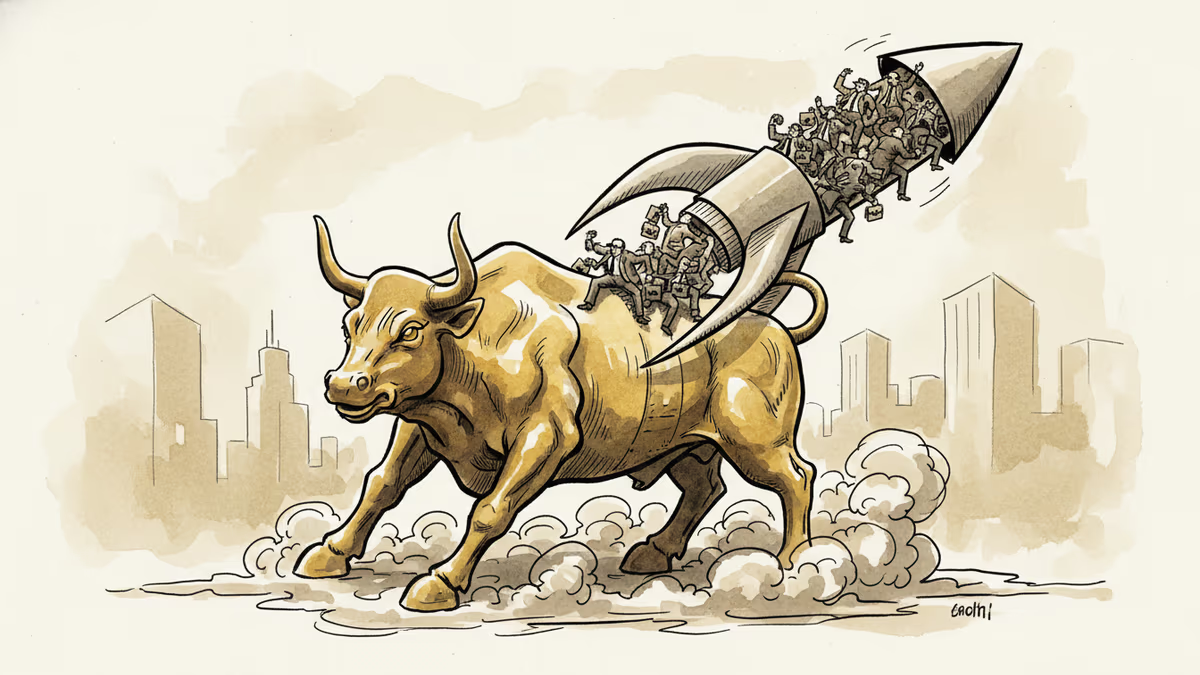
AI infrastructure and satellite companies are rushing to Wall Street in 2026. What's driving the IPO wave, and what should investors watch for?
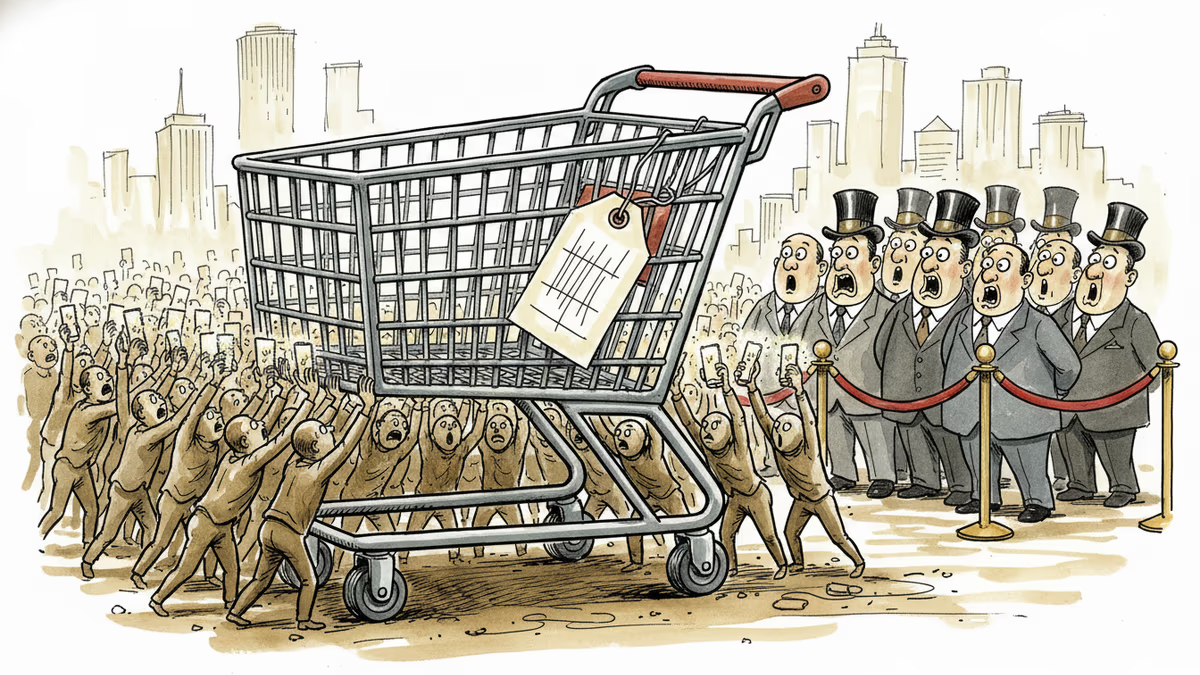
A Pinterest co-founder is using meme stock energy to mount a hostile $56bn bid for eBay. Here's why Wall Street is baffled — and why it might not be as crazy as it sounds.
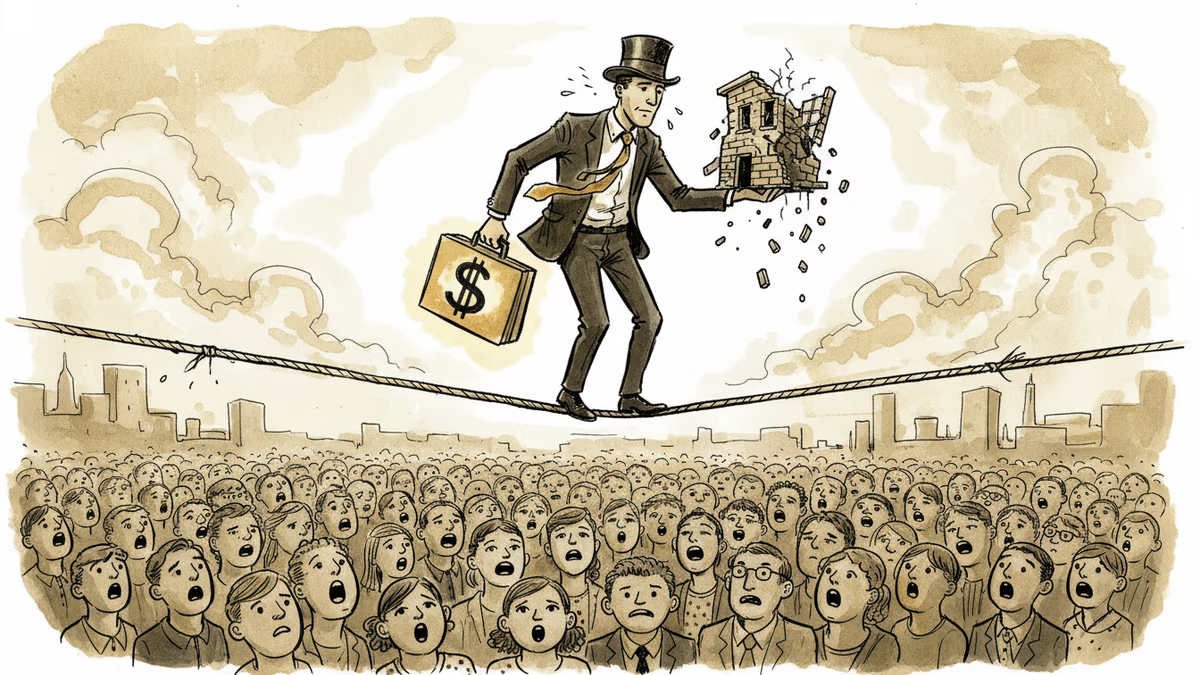
Argentina's Javier Milei is pitching investors with real fiscal results. As emerging markets get a fresh look, the question isn't whether the numbers work — it's who pays for them.
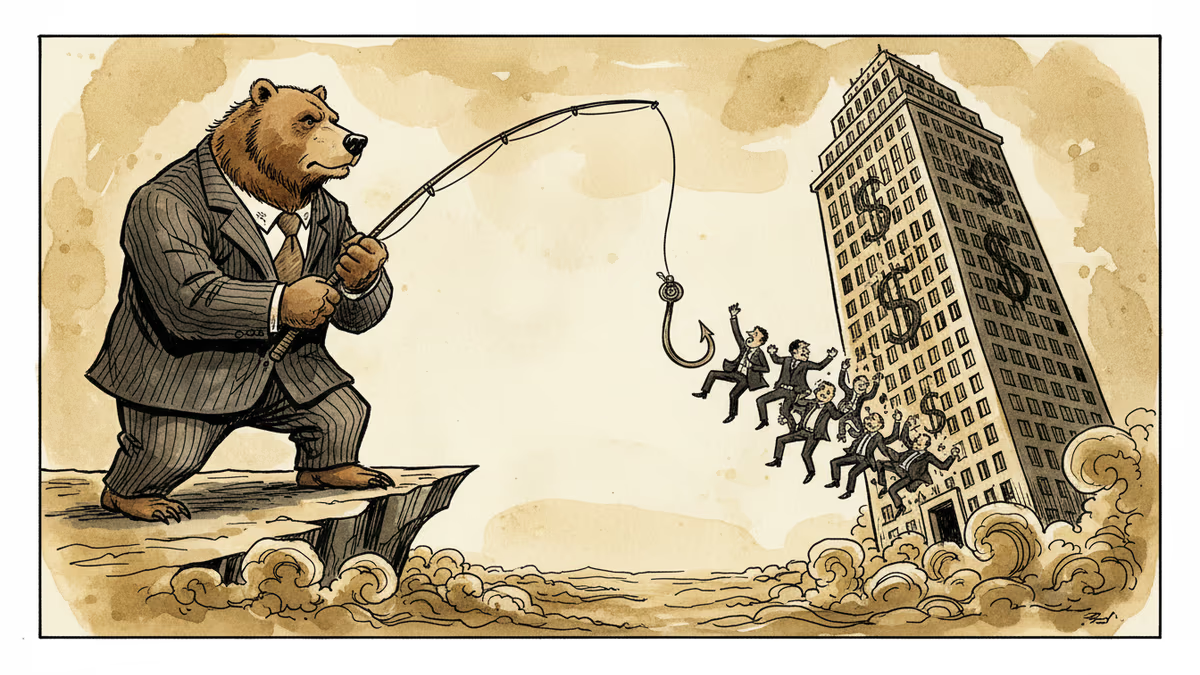
Bank of America hired four senior tech bankers from rivals to capture more AI-era M&A fees. What does this talent war signal about where the deals are heading?
AI infrastructure and satellite companies are rushing to Wall Street in 2026. What's driving the IPO wave, and what should investors watch for?
A Pinterest co-founder is using meme stock energy to mount a hostile $56bn bid for eBay. Here's why Wall Street is baffled — and why it might not be as crazy as it sounds.
Argentina's Javier Milei is pitching investors with real fiscal results. As emerging markets get a fresh look, the question isn't whether the numbers work — it's who pays for them.
Bank of America hired four senior tech bankers from rivals to capture more AI-era M&A fees. What does this talent war signal about where the deals are heading?
Thoughts
Share your thoughts on this article
Sign in to join the conversation