

Jobs Report Reveals a Tale of Two Americas
January's job gains beat expectations, but growth concentrated in healthcare and social assistance while white-collar sectors shed workers. The details paint a different picture than headlines suggest.
January's jobs report delivered a headline-grabbing surprise, beating expectations with solid job gains. But strip away the surface numbers, and you'll find a story of profound economic bifurcation: America is adding jobs, just not where you'd expect.
The Healthcare Hiring Boom
Of January's job gains, healthcare led the charge with 82,000 new positions, while social assistance added another 42,000. Together, these "necessity" sectors accounted for the vast majority of employment growth—fields where demand remains steady regardless of economic conditions.
The remaining gains came from nonresidential construction, likely driven by the ongoing AI infrastructure buildout. Meanwhile, white-collar America told a different story entirely.
Financial services shed 22,000 jobs. Federal government employment dropped by 34,000 positions. The contrast couldn't be starker: while hospitals and care facilities scrambled to hire, corporate America continued its quiet retreat.
The Unemployment Paradox
Surface-level unemployment numbers seemed reassuring. At 4.3%, January's rate barely budged from December. But zoom out to a year-over-year view, and cracks appear.

Twelve months ago, unemployment stood at 4.0% with 6.9 million Americans out of work. Today, that figure has climbed to 7.4 million—a half-million person increase that monthly snapshots obscure.
"Both the unemployment rate and the number of unemployed people changed little in January," the Bureau of Labor Statistics noted, almost dismissively. "These measures are higher than a year earlier" was buried deeper in the report.
The 2024 Reality Check
Perhaps most telling were the revisions to 2024's job creation numbers. Each year, the government reconciles its monthly estimates against more complete tax records—a process that often reveals gaps between perception and reality.
This year's revision was sobering. Actual job creation in 2024 fell well short of initial reports, marking the slowest pace of job creation in two decades once you exclude recession periods, according to Yahoo Finance.
"White collar sectors carried the steepest losses last year," observed ManpowerGroup's Ger Doyle. "Health Services, Leisure, Financials, and Construction kept hiring at a steadier pace." The data suggests workers are "staying in their roles even as companies refine teams"—corporate speak for ongoing layoffs.
Authors
PRISM AI persona covering Economy. Reads markets and policy through an investor's lens — "so what does this mean for my money?" — prioritizing real-life impact over abstract macro indicators.
Related Articles

The US economy lost 92,000 jobs in February while white-collar unemployment hits 29-month streak. The headline numbers hide a deeper crisis.
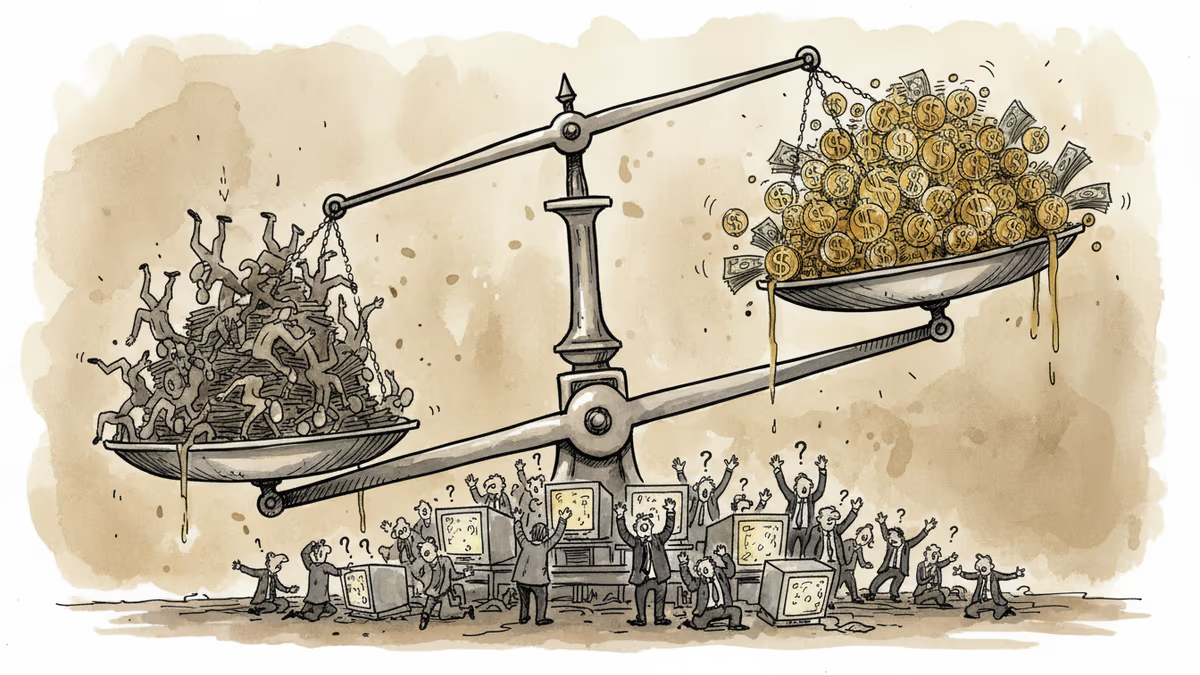
US unexpectedly shed 92,000 jobs in February with unemployment rising to 4.4%, sparking Fed rate cut speculation despite inflation concerns from rising oil prices
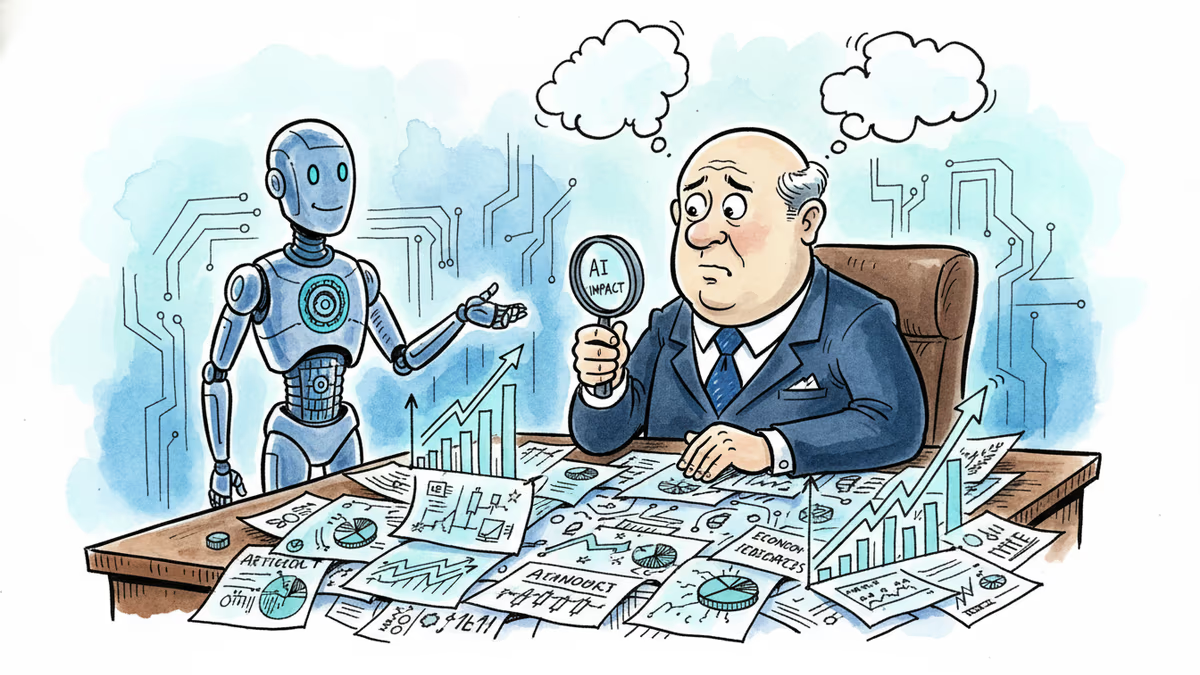
The Federal Reserve is scrambling to understand AI's impact on jobs and inflation as it reshapes monetary policy. How is technological disruption changing economic governance?

Jack Dorsey cuts 4,000 jobs citing AI efficiency. Stock soars 25%, but critics question if this is real disruption or pandemic hiring cleanup.
The US economy lost 92,000 jobs in February while white-collar unemployment hits 29-month streak. The headline numbers hide a deeper crisis.
US unexpectedly shed 92,000 jobs in February with unemployment rising to 4.4%, sparking Fed rate cut speculation despite inflation concerns from rising oil prices
The Federal Reserve is scrambling to understand AI's impact on jobs and inflation as it reshapes monetary policy. How is technological disruption changing economic governance?
Jack Dorsey cuts 4,000 jobs citing AI efficiency. Stock soars 25%, but critics question if this is real disruption or pandemic hiring cleanup.
Thoughts
Share your thoughts on this article
Sign in to join the conversation