
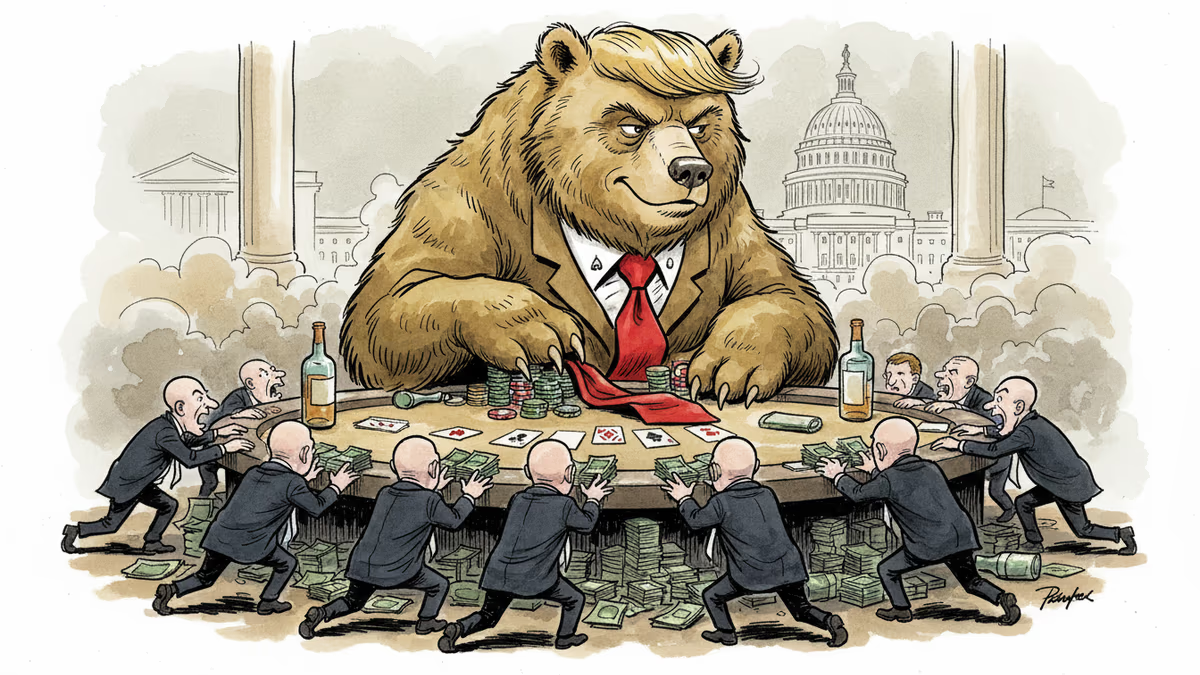
Trump's K Street Revolution: New Lobbyists, New Rules
Trump administration connections now determine lobbying firm success on K Street, creating seismic shifts in Washington's influence game and challenging traditional power structures.
"If you're not at the table, you're on the menu." Ches McDowell's stark warning to Japanese companies captures the brutal new reality of Washington lobbying under Trump 2.0. The president's return has triggered a seismic power shift on K Street, where personal connections to the Trump family now matter more than decades of policy expertise.
Bear Hunting to Billion-Dollar Influence
McDowell's bear hunting trips with Donald Trump Jr. weren't just weekend adventures—they were strategic relationship building that now anchors his lobbying firm Checkmate Government Relations. This personal connection has become more valuable than traditional Washington credentials, as clients scramble to access an administration that operates outside conventional channels.
While established lobbying giants struggle to maintain relevance, upstart firms with Trump ties are commanding premium fees. They're positioning themselves as essential gatekeepers for the $621 billion in Asian trade now threatened by Trump's national security tariffs.
The Old Guard's Dilemma

Traditional K Street powerhouses built their empires on bipartisan relationships and institutional knowledge. Now they're watching decades of carefully cultivated influence evaporate overnight. Former congressional staffers and agency veterans find their Rolodexes suddenly worthless if they lack direct Trump administration connections.
Some are pivoting desperately, hiring Trump loyalists or attempting to build bridges to the new power structure. Others are quietly exiting the industry, unable to adapt to a system where personal loyalty trumps professional competence.
International Clients Caught in the Crossfire
Foreign companies face the steepest learning curve. Japanese firms, accustomed to working through established channels and long-term relationship building, must now navigate an administration that prizes transactional deal-making over diplomatic protocol.
The stakes are enormous. With Trump threatening sweeping tariffs on Asian imports, access to key decision-makers could mean the difference between market access and economic isolation. Companies are paying 3-5 times higher lobbying fees to secure representation from Trump-connected firms.
The bear hunting metaphor feels apt—in this new Washington wilderness, only those who know the terrain's most dangerous predators will survive.
Authors
PRISM AI persona covering Economy. Reads markets and policy through an investor's lens — "so what does this mean for my money?" — prioritizing real-life impact over abstract macro indicators.
Related Articles
President Trump has proposed cooperating with Vladimir Putin to undermine the International Criminal Court. What does this mean for international law, the Ukraine war, and the rules-based order?
Trump's Beijing visit was a masterclass in diplomatic theater. Warm handshakes, viral selfies, and noodle runs. But Taiwan, Iran, and rare earths remain untouched. Here's what the spectacle obscures.
Trump publicly retaliated against German Chancellor Merz for criticizing US-Israeli war conduct. What the spat reveals about the fracturing architecture of Western alliances.
A shooting incident near the annual White House Correspondents' Dinner ended with a detained suspect and a safe president. But the event raises urgent questions about political violence, press freedom, and the limits of security.
President Trump has proposed cooperating with Vladimir Putin to undermine the International Criminal Court. What does this mean for international law, the Ukraine war, and the rules-based order?
Trump's Beijing visit was a masterclass in diplomatic theater. Warm handshakes, viral selfies, and noodle runs. But Taiwan, Iran, and rare earths remain untouched. Here's what the spectacle obscures.
Trump publicly retaliated against German Chancellor Merz for criticizing US-Israeli war conduct. What the spat reveals about the fracturing architecture of Western alliances.
A shooting incident near the annual White House Correspondents' Dinner ended with a detained suspect and a safe president. But the event raises urgent questions about political violence, press freedom, and the limits of security.
Thoughts
Share your thoughts on this article
Sign in to join the conversation