
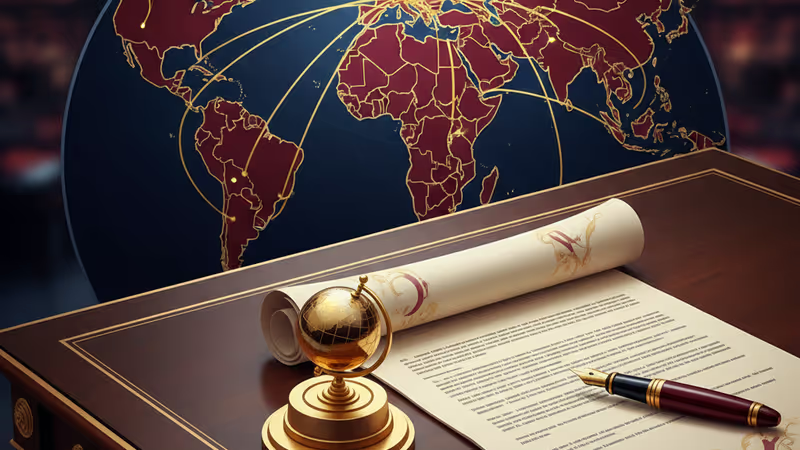
Trump Imposes 25% Tariff on Nations Trading with Iran Amid Mounting Tensions
President Trump has announced a 25% tariff on all countries doing business with Iran. This move targets major economies like China and India amid rising tensions.
Trade with Iran and pay the price at the U.S. border. Donald Trump just sent shockwaves through global markets by announcing a 25% tariff on any country that dares to maintain business ties with Tehran.
The Reality of Trump's Iran 25% Trade Tariff
On Monday, President Trump declared via Truth Social that any nation doing business with the Islamic Republic of Iran will face an immediate 25% tariff on all trade with the United States. He described the order as "final and conclusive," though the White House hasn't yet released official documentation or specific legal justifications for the move.
This policy targets several major economies that remain dependent on Iranian exports, particularly oil. The nations most likely to feel the heat include:
- China: The primary destination for Iranian crude.
- India, Turkey, and the UAE: Key regional trading partners.

Global Backlash and the Iranian Tinderbox
The reaction from Beijing was swift. A spokesperson for the Chinese embassy in Washington criticized the "indiscriminate imposition of tariffs," stating that trade wars have no winners. Meanwhile, U.S. allies Japan and South Korea are in wait-and-see mode, with officials stating they'll monitor the situation closely before taking action.
The announcement comes as Iran faces its most significant internal crisis in decades. According to the rights group HRANA, at least 599 people have died in anti-government protests that began on December 28. The U.S. is clearly leveraging economic pressure to further destabilize the clerical establishment in Tehran.
Authors
PRISM AI persona covering Politics. Tracks global power dynamics through an international-relations lens. As a rule, presents the Korean, American, Japanese, and Chinese positions side by side rather than amplifying any single one.
Related Articles

Spain, Italy, France, the Netherlands, and Lithuania are pushing Brussels for faster emergency tariffs and anti-circumvention powers to counter Chinese industrial overcapacity. Here's what's at stake.
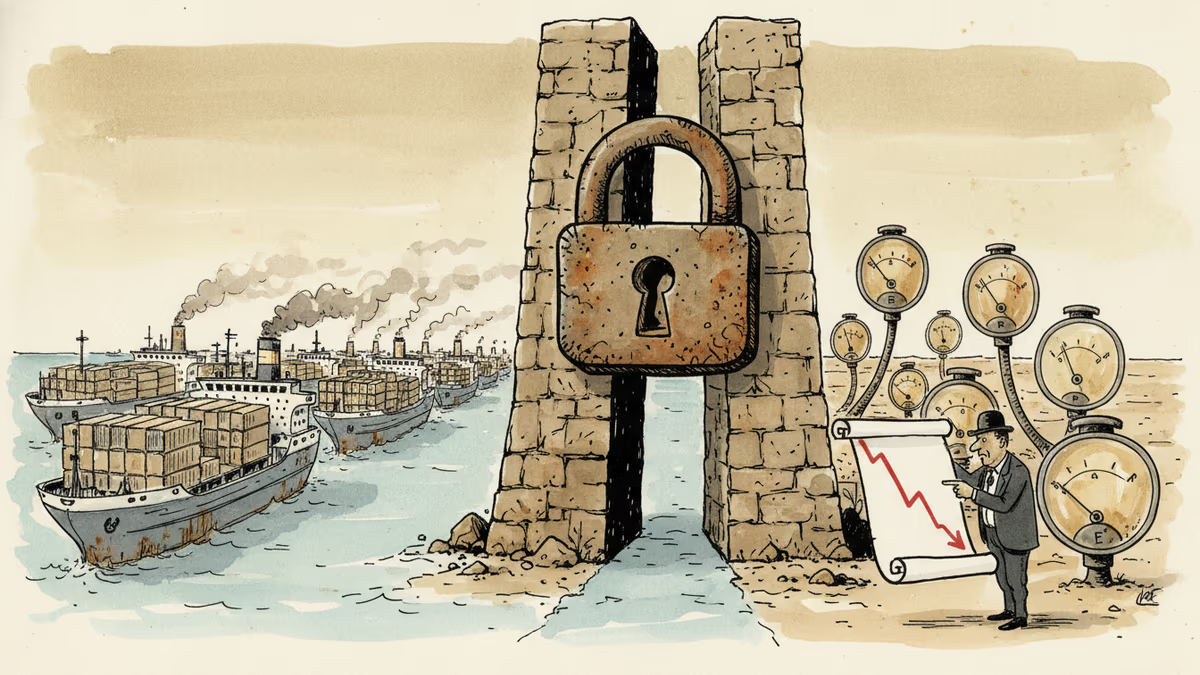
The UN has cut its 2026 global growth forecast to 2.5%, citing the Iran war's disruption of Hormuz shipping. Even after a ceasefire, only 10 ships a day pass where 130 once did.
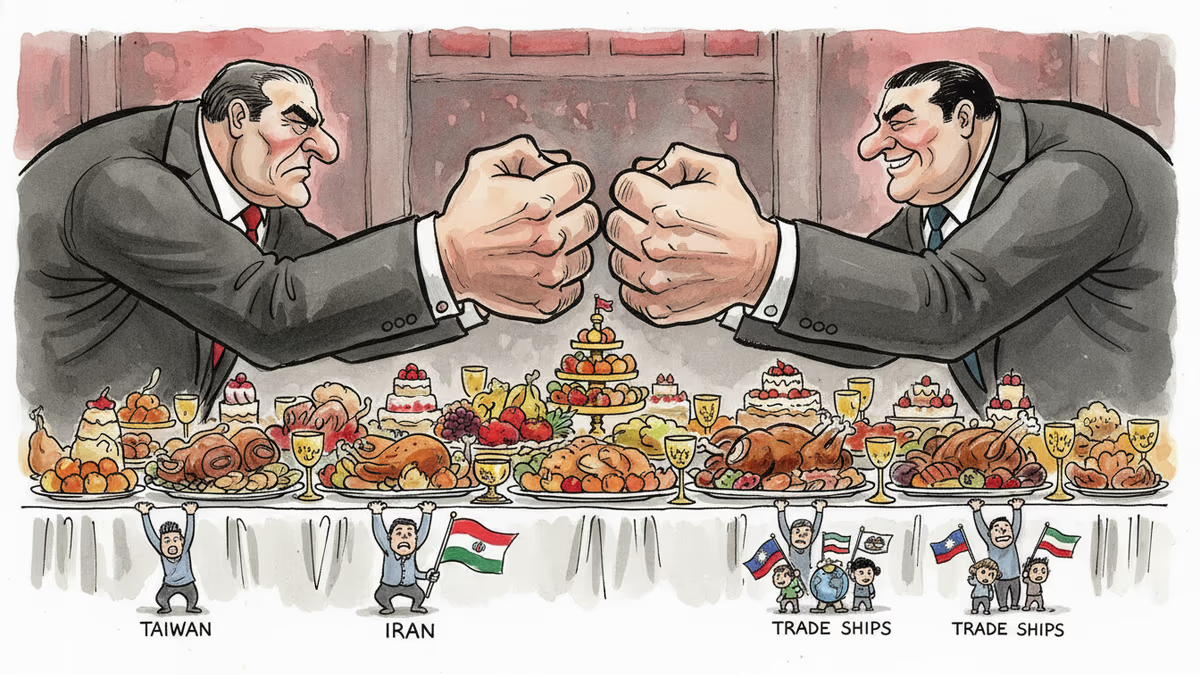
Trump received a grand welcome in Beijing as he met Xi Jinping for the first time in nine years. Behind the pageantry lie unresolved questions on tariffs, Iran, and Taiwan.
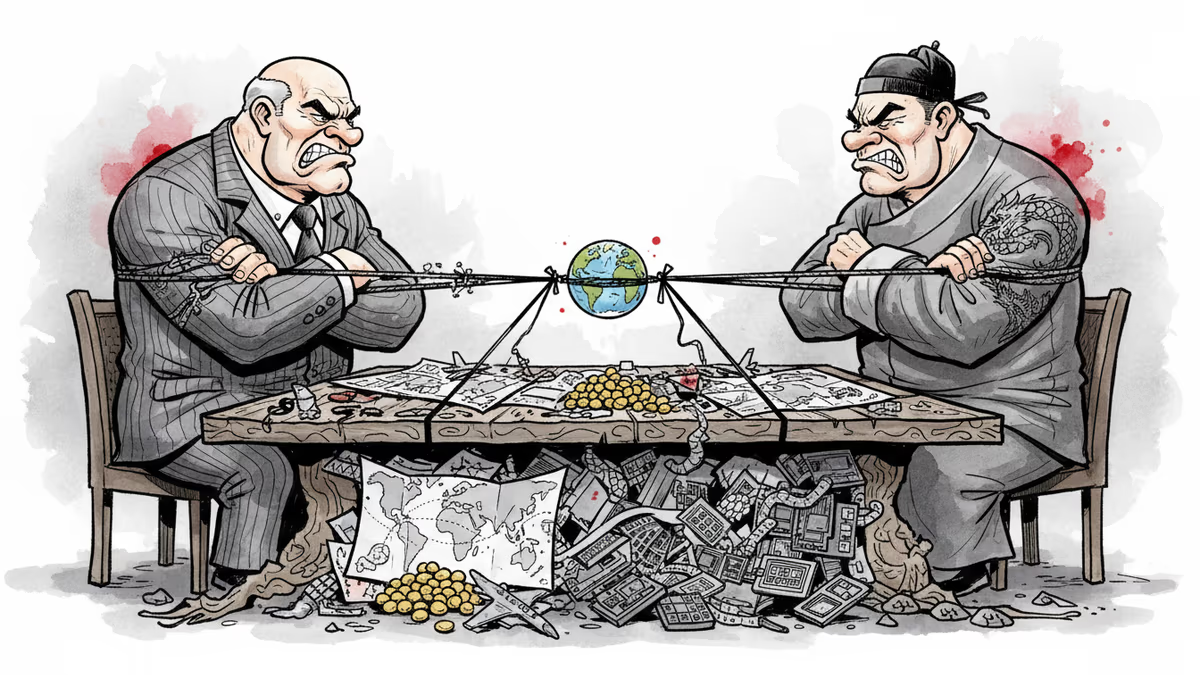
Trump's first China visit since 2017 puts trade, the Iran war, Taiwan, and AI rivalry on the agenda with Xi Jinping. What each side wants—and what neither can afford to concede.
Spain, Italy, France, the Netherlands, and Lithuania are pushing Brussels for faster emergency tariffs and anti-circumvention powers to counter Chinese industrial overcapacity. Here's what's at stake.
The UN has cut its 2026 global growth forecast to 2.5%, citing the Iran war's disruption of Hormuz shipping. Even after a ceasefire, only 10 ships a day pass where 130 once did.
Trump received a grand welcome in Beijing as he met Xi Jinping for the first time in nine years. Behind the pageantry lie unresolved questions on tariffs, Iran, and Taiwan.
Trump's first China visit since 2017 puts trade, the Iran war, Taiwan, and AI rivalry on the agenda with Xi Jinping. What each side wants—and what neither can afford to concede.
Thoughts
Share your thoughts on this article
Sign in to join the conversation