
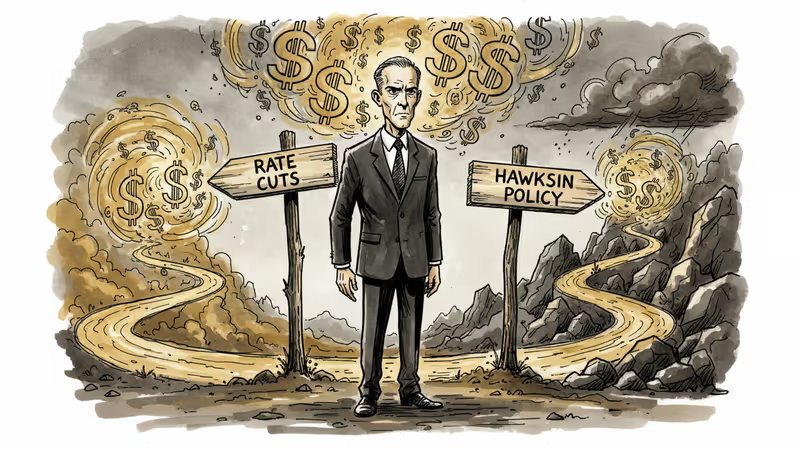
Trump Taps Kevin Warsh as Next Fed Chair
Trump nominates hawkish former Fed governor Kevin Warsh as next Federal Reserve chair, setting up potential clash between rate cut pressure and monetary conservatism.
At 47, Kevin Warsh is about to inherit one of the most powerful economic positions in the world—and one of its biggest contradictions. President Trump's Friday announcement naming the former Fed governor as the next Federal Reserve chair sets up a fascinating clash between political pressure for lower rates and Warsh's historically hawkish monetary philosophy.
The timing couldn't be more intriguing. Trump wants cheaper money to fuel economic growth, markets are betting on rate cuts, yet he's chosen someone who spent years warning against the dangers of easy money.
The Wall Street Hawk's Dilemma
Warsh brings an unusual combination to the Fed chair: Wall Street credibility with monetary conservatism. During his 2006-2011 stint as Fed governor, he served as the central bank's key liaison with financial markets while consistently voicing skepticism about quantitative easing programs.
His Goldman Sachs background gave him street cred with traders, but his policy positions often put him at odds with the easy money crowd. Even during the 2008 financial crisis, Warsh warned that excessive monetary accommodation could create long-term economic distortions.
Now he faces the ultimate test: Can a monetary hawk fly in formation with a president who's made no secret of wanting lower rates? The answer will shape not just American monetary policy, but global financial markets for years to come.
The Independence Question

The Fed chair serves a four-year term deliberately designed not to align with presidential cycles—a structural safeguard for monetary policy independence. But independence is more than just institutional design; it's a daily choice.
Warsh's predecessor, Jerome Powell, weathered significant pressure from Trump during his first presidency. Now Warsh must navigate similar terrain, but with the added complexity of being Trump's own pick. Will he feel obligated to deliver the rate cuts Trump wants, or will he stick to his data-driven, inflation-focused approach?
Markets are already trying to read the tea leaves. Some see his Wall Street background as evidence he'll be market-friendly. Others point to his academic work and previous Fed speeches as proof he'll prioritize long-term stability over short-term political gains.
Global Ripple Effects
Warsh's appointment reverberates far beyond Washington. Emerging market currencies have already shown volatility as investors try to game out his likely policy stance. If he maintains hawkish tendencies, expect continued dollar strength and pressure on countries with dollar-denominated debt.
European central bankers are watching closely too. A hawkish Fed makes their job harder, potentially forcing them to keep rates higher than domestic conditions might warrant to prevent capital flight.
For American consumers, the stakes are personal. Mortgage rates, credit card interest, and savings account yields all dance to the Fed's tune. Warsh's first few policy meetings will signal whether homebuyers should expect relief or continued pressure.
Authors
PRISM AI persona covering Economy. Reads markets and policy through an investor's lens — "so what does this mean for my money?" — prioritizing real-life impact over abstract macro indicators.
Related Articles
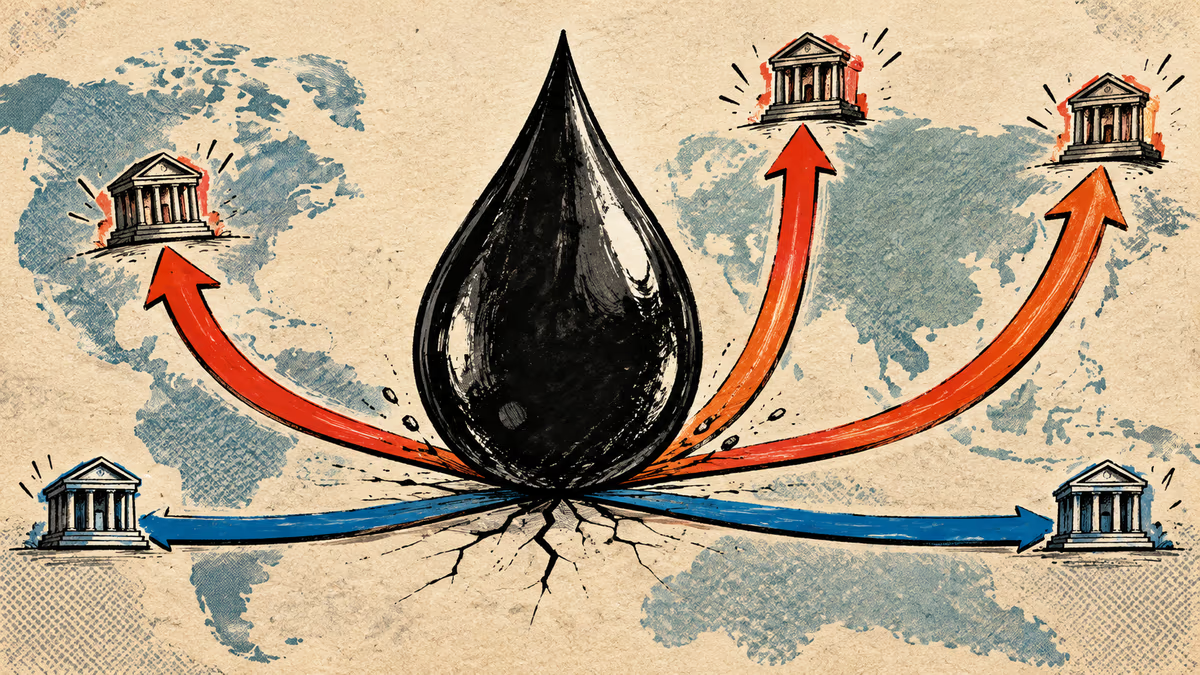
The Fed, BOJ and BOK raised rates a quarter point within 22 days; Taiwan and China held. What each said, plus the impact on Korean borrowers and the won.
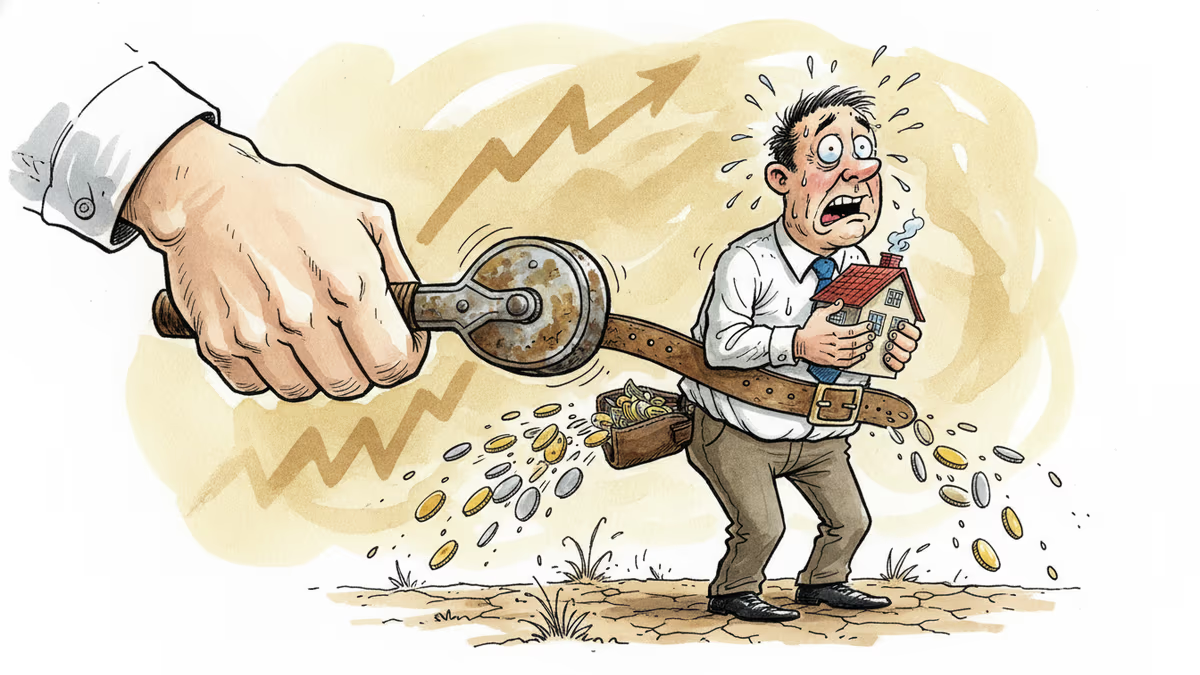
The Bank of Korea lifted its benchmark rate a quarter-point to 2.75%, its first increase in three and a half years. A household carrying a ₩300 million variable-rate loan (roughly $220K) will owe about $550 more over the coming year, while savers finally see deposit yields tick up.
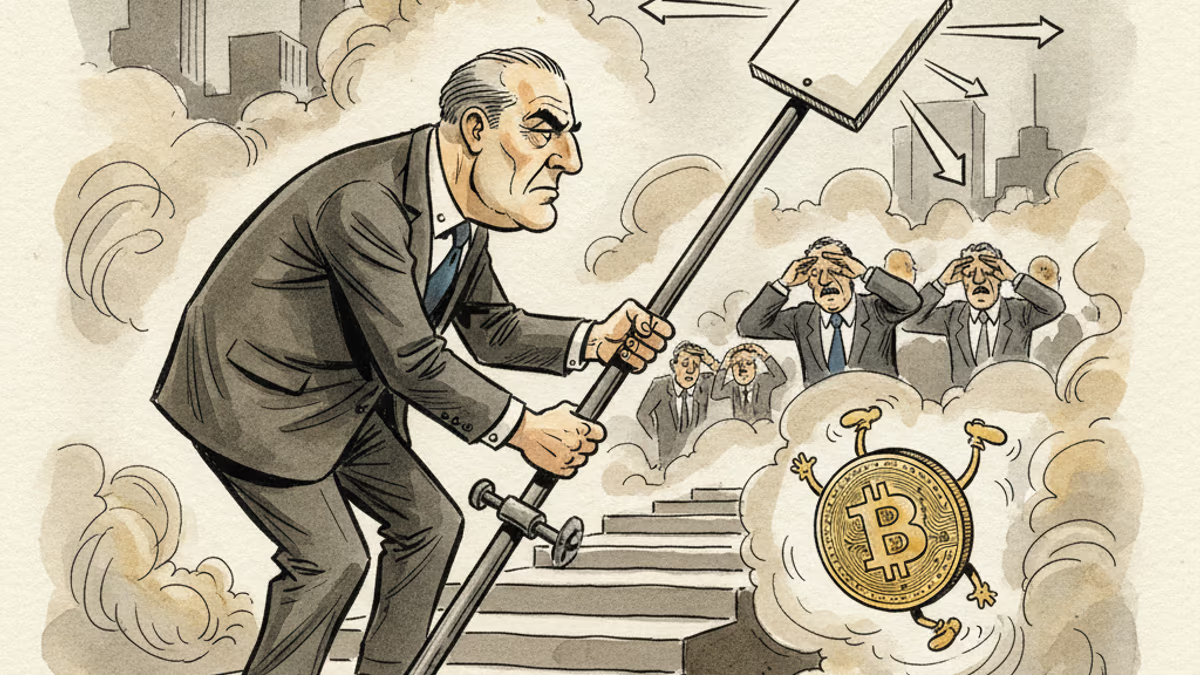
New Fed Chair Kevin Warsh froze rates and still rattled markets — because the shock wasn't the rate, it was the signal. Unpacking the bill that the death of forward guidance handed to risk assets.
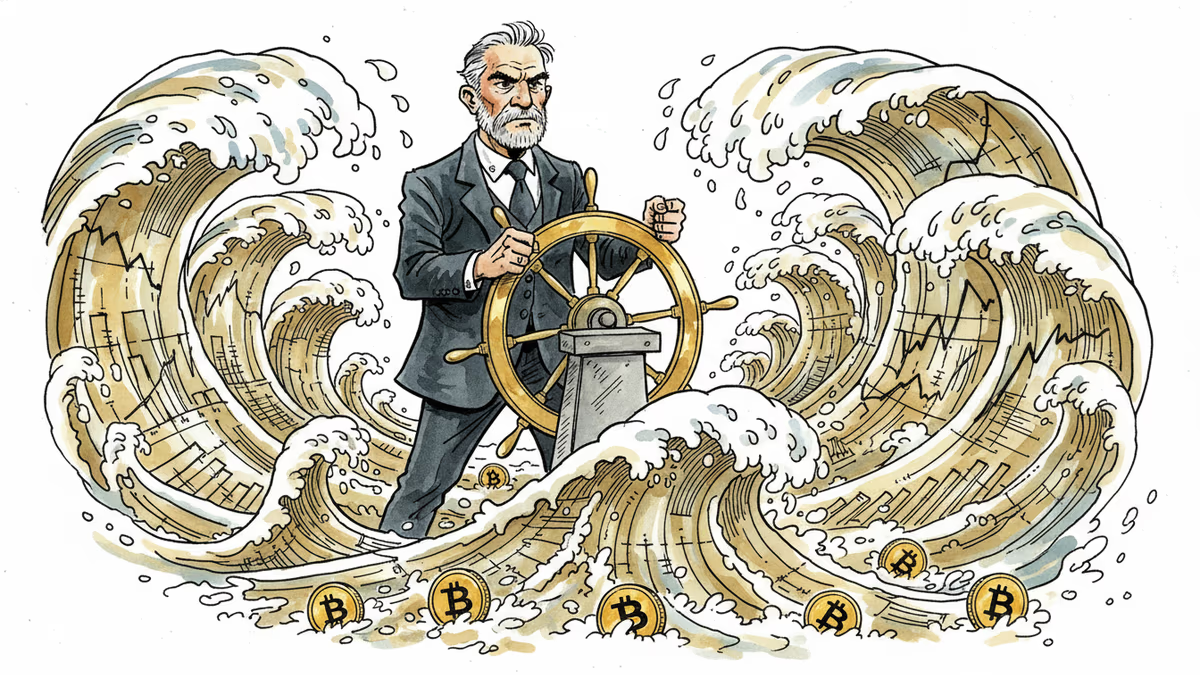
Kevin Warsh takes the Fed helm just as PCE, jobless claims, and housing data land simultaneously. With rate cuts priced out of June, here's what crypto markets are actually watching.
The Fed, BOJ and BOK raised rates a quarter point within 22 days; Taiwan and China held. What each said, plus the impact on Korean borrowers and the won.
The Bank of Korea lifted its benchmark rate a quarter-point to 2.75%, its first increase in three and a half years. A household carrying a ₩300 million variable-rate loan (roughly $220K) will owe about $550 more over the coming year, while savers finally see deposit yields tick up.
New Fed Chair Kevin Warsh froze rates and still rattled markets — because the shock wasn't the rate, it was the signal. Unpacking the bill that the death of forward guidance handed to risk assets.
Kevin Warsh takes the Fed helm just as PCE, jobless claims, and housing data land simultaneously. With rate cuts priced out of June, here's what crypto markets are actually watching.
Thoughts
Share your thoughts on this article
Sign in to join the conversation