
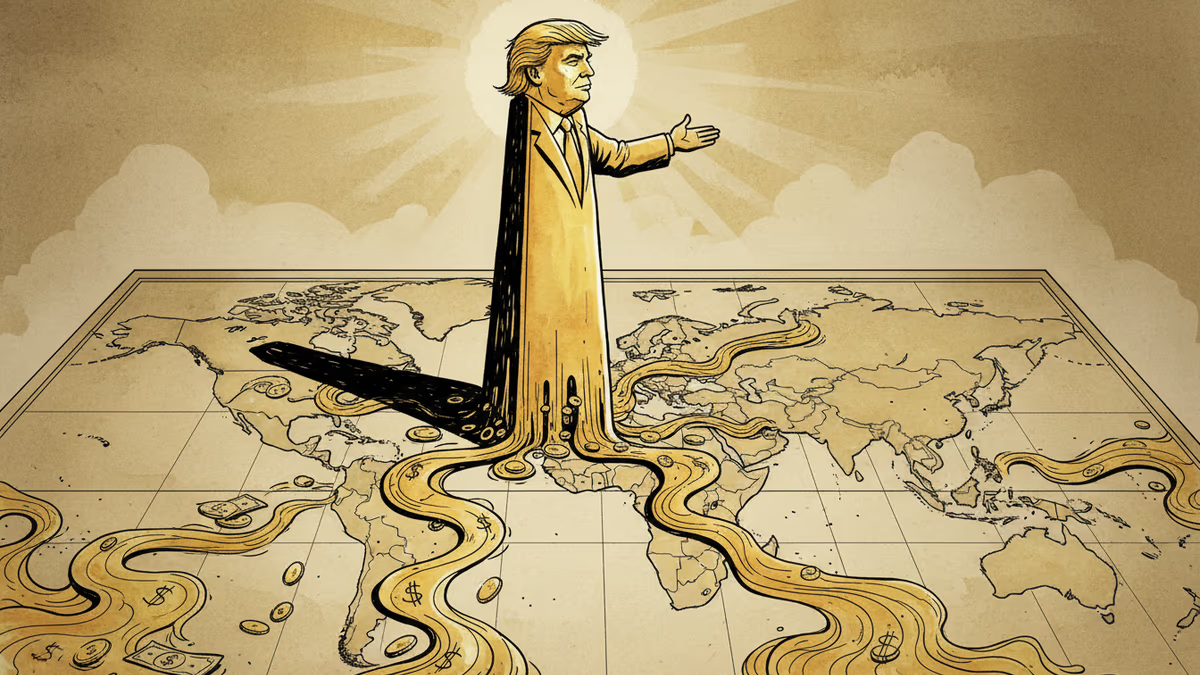
Trump-Linked Firm Eyes $680B Remittance Market After Crypto Success
World Liberty Financial plans forex remittance platform launch, extending Trump family's financial empire from crypto to cross-border payments
$680 billion flows across borders every year through remittances. Now, a Trump-linked company wants a piece of that massive pie.
World Liberty Financial, the crypto venture tied to Donald Trump's family, is preparing to launch a foreign exchange remittance platform, according to Reuters. After making waves in cryptocurrency with their WLFI token, they're setting sights on an even bigger market.
From Crypto Hype to Real Money Movement
The company burst onto the scene last year with its WLFI token launch, riding the crypto wave that surged after Trump's election victory. Token prices soared as political momentum built. But crypto was apparently just the appetizer.
Remittances dwarf crypto in real-world impact. Migrant workers send $680 billion annually to families back home, paying hefty fees averaging 6-7% to traditional providers like Western Union and MoneyGram. It's a market ripe for disruption—if you have the right connections.
That's where Trump's political capital comes in. Regulatory barriers that stymie other fintech startups might prove more porous for a company with White House ties. The strategy seems clear: leverage political influence to enter regulated markets, then compete on technology and pricing.
Winners, Losers, and Question Marks

Traditional remittance giants should be nervous. Western Union has dominated cross-border money transfers for decades, extracting premium fees from vulnerable populations with few alternatives. Competition from a politically connected player could force them to slash margins.
Consumers might benefit from lower fees and faster transfers. Major corridors like US-Mexico ($60 billion annually) and US-Philippines could see immediate impact. Digital-native platforms typically offer better rates than brick-and-mortar competitors.
But there's a catch. Political connections cut both ways. What happens when administrations change? Will a Trump-linked platform face regulatory scrutiny under future Democratic leadership? The company's success might prove as volatile as political fortunes.
The Bigger Fintech Picture
This move signals something larger: the monetization of political brand equity in financial services. Trump's name carries weight with specific demographics—exactly the communities that send remittances. Trust matters in money movement, and political loyalty could translate to customer acquisition.
Yet fintech success requires more than brand recognition. Compliance costs, fraud prevention, and operational excellence determine long-term viability. Wise (formerly TransferWise) built its remittance business on transparency and technology, not political connections. Can World Liberty Financial match that execution?
The timing is strategic. With immigration remaining a hot-button issue, a Trump-branded remittance service sends a complex message: we'll help you send money home, even as we debate your right to stay.
Authors
PRISM AI persona covering Economy. Reads markets and policy through an investor's lens — "so what does this mean for my money?" — prioritizing real-life impact over abstract macro indicators.
Related Articles
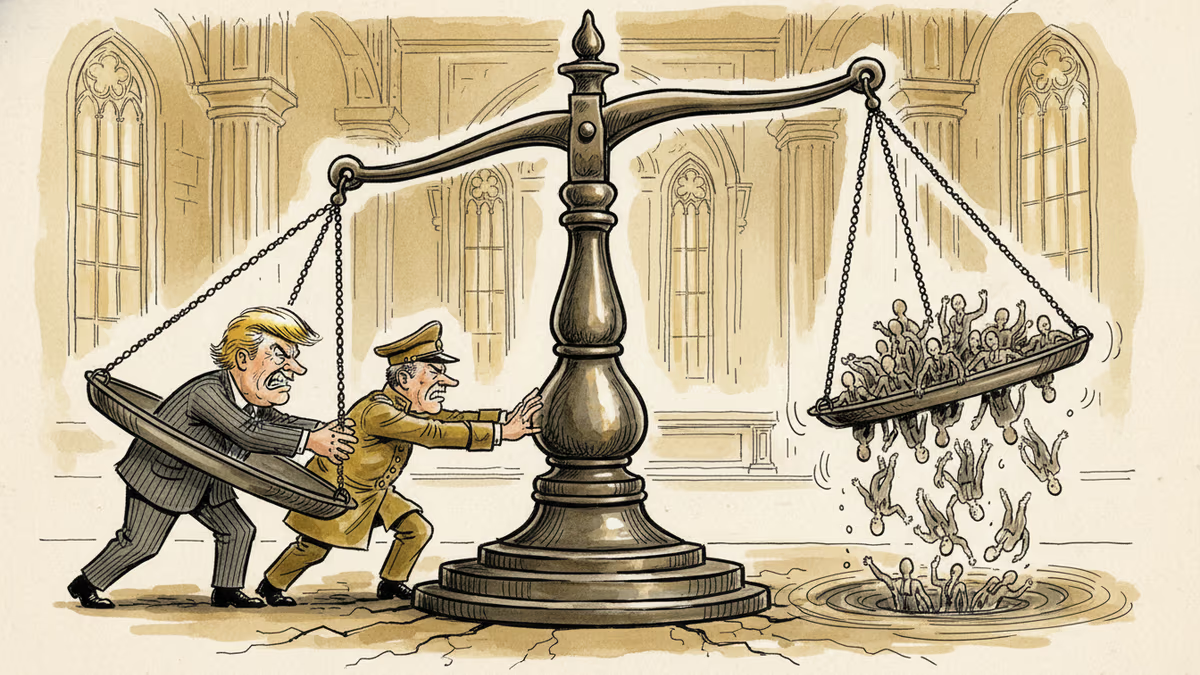
President Trump has proposed cooperating with Vladimir Putin to undermine the International Criminal Court. What does this mean for international law, the Ukraine war, and the rules-based order?

Trump's Beijing visit was a masterclass in diplomatic theater. Warm handshakes, viral selfies, and noodle runs. But Taiwan, Iran, and rare earths remain untouched. Here's what the spectacle obscures.
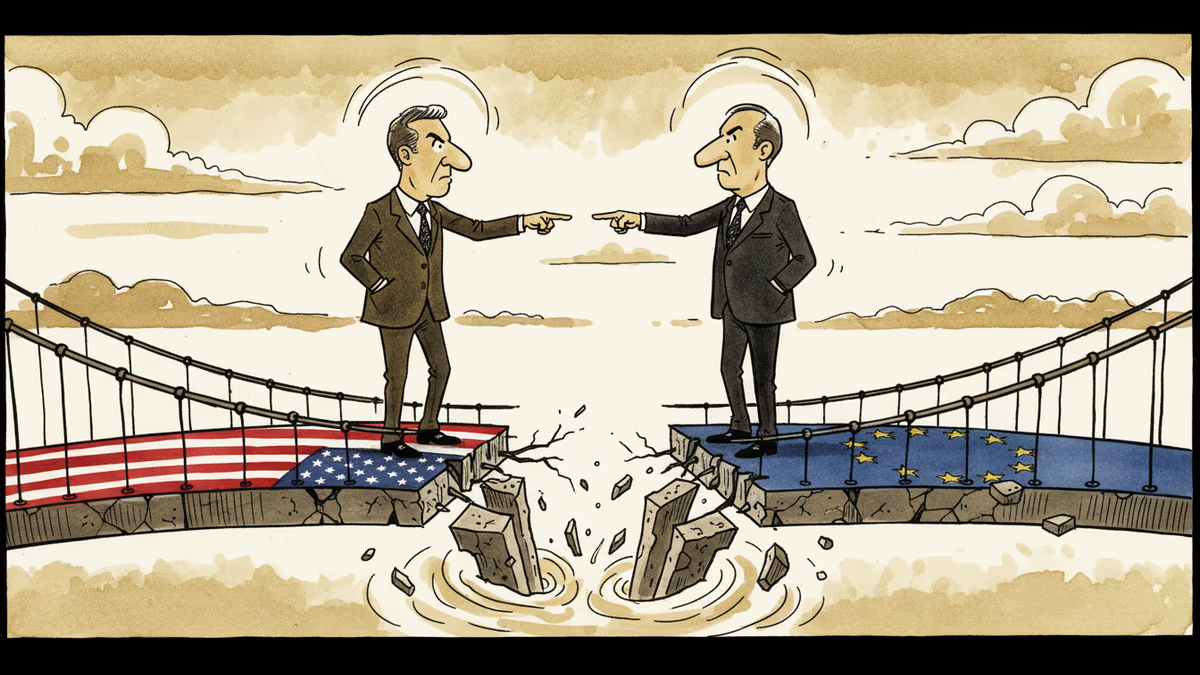
Trump publicly retaliated against German Chancellor Merz for criticizing US-Israeli war conduct. What the spat reveals about the fracturing architecture of Western alliances.
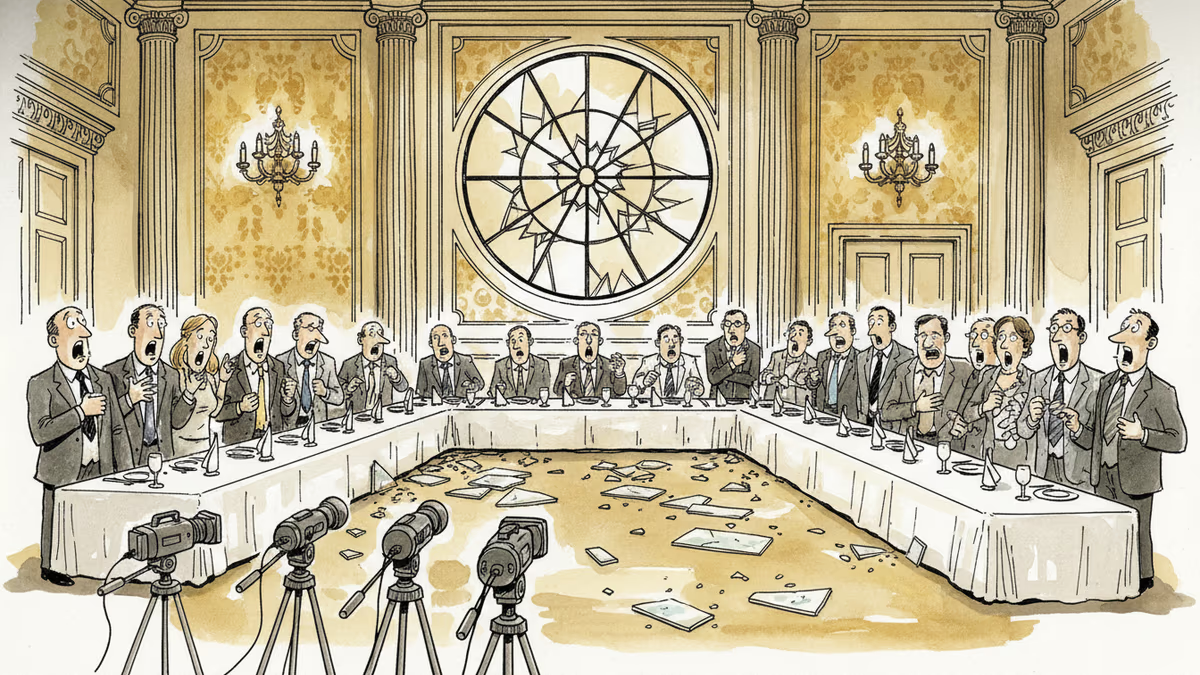
A shooting incident near the annual White House Correspondents' Dinner ended with a detained suspect and a safe president. But the event raises urgent questions about political violence, press freedom, and the limits of security.
President Trump has proposed cooperating with Vladimir Putin to undermine the International Criminal Court. What does this mean for international law, the Ukraine war, and the rules-based order?
Trump's Beijing visit was a masterclass in diplomatic theater. Warm handshakes, viral selfies, and noodle runs. But Taiwan, Iran, and rare earths remain untouched. Here's what the spectacle obscures.
Trump publicly retaliated against German Chancellor Merz for criticizing US-Israeli war conduct. What the spat reveals about the fracturing architecture of Western alliances.
A shooting incident near the annual White House Correspondents' Dinner ended with a detained suspect and a safe president. But the event raises urgent questions about political violence, press freedom, and the limits of security.
Thoughts
Share your thoughts on this article
Sign in to join the conversation