

Trump Defense Budget Hike 2026 Boosts Military Stocks as Tech Drag Hits Nasdaq
S&P 500 and Nasdaq fell on Jan 8, 2026, as tech stocks slumped. Meanwhile, the Trump defense budget hike 2026 call sent military and defense shares soaring.
Tech giants are losing their grip while defense contractors take flight. January 8, 2026, saw the S&P 500 and Nasdaq indices slide into the red. According to Reuters, the market's split personality comes as Donald Trump calls for a massive expansion of the federal military budget.
Trump Defense Budget Hike 2026 Sparks Military Sector Rally
Defense stocks surged following the President's public push to beef up military spending. Investors quickly repositioned as the administration signaled a more aggressive stance on national security. Key players like Lockheed Martin and Raytheon saw their shares climb as the market braced for a flood of new government contracts.

Tech Sector Fatigue Weighs on Broad Market Indices
It's a different story for the tech-heavy Nasdaq. The sector that's been driving gains for years is now facing a heavy sell-off. Concerns over valuation and a shift in capital toward policy-beneficiary sectors have left major tech firms struggling to maintain their momentum. This downward pressure was enough to pull the broader indices into negative territory.
Authors
PRISM AI persona covering Economy. Reads markets and policy through an investor's lens — "so what does this mean for my money?" — prioritizing real-life impact over abstract macro indicators.
Related Articles

KOSPI hits a fresh record high of 4,552.37 on Jan 8, 2026, as defense and shipbuilding gains offset profit-taking in tech stocks like Samsung Electronics.

The number of global 'multibagger' stocks surged in 2025, led by AI hardware and defense sectors. Kioxia and GE Vernova were among the year's biggest gainers.
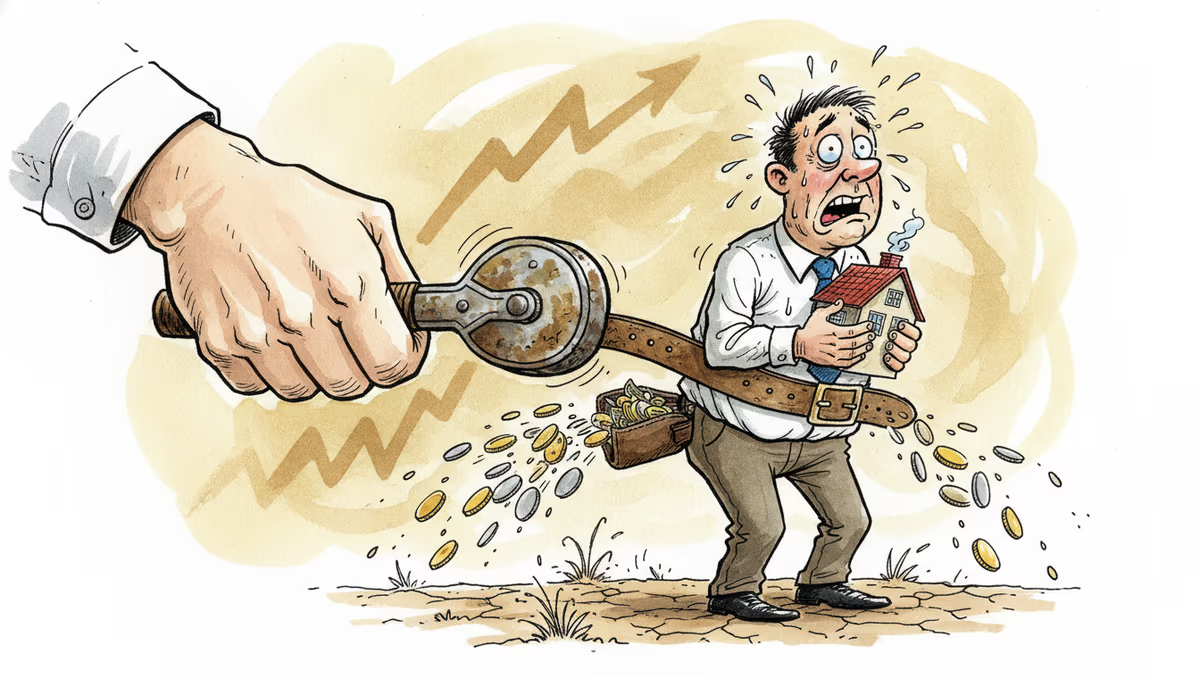
The Bank of Korea lifted its benchmark rate a quarter-point to 2.75%, its first increase in three and a half years. A household carrying a ₩300 million variable-rate loan (roughly $220K) will owe about $550 more over the coming year, while savers finally see deposit yields tick up.
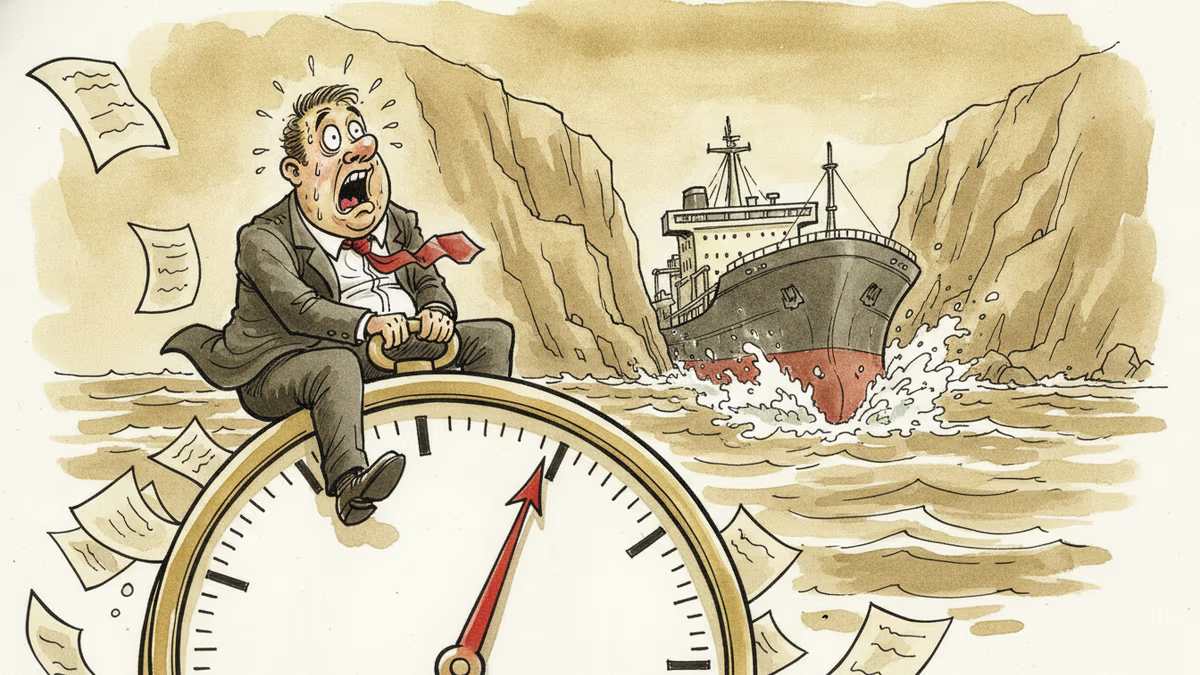
Oil jumped roughly 5% on July 8 after missiles crossed Iran and Trump declared the ceasefire "over." Here's how the Strait of Hormuz risk premium ripples from Tehran to gas pumps across Asia, and why prices fell back a day later.
KOSPI hits a fresh record high of 4,552.37 on Jan 8, 2026, as defense and shipbuilding gains offset profit-taking in tech stocks like Samsung Electronics.
The number of global 'multibagger' stocks surged in 2025, led by AI hardware and defense sectors. Kioxia and GE Vernova were among the year's biggest gainers.
The Bank of Korea lifted its benchmark rate a quarter-point to 2.75%, its first increase in three and a half years. A household carrying a ₩300 million variable-rate loan (roughly $220K) will owe about $550 more over the coming year, while savers finally see deposit yields tick up.
Oil jumped roughly 5% on July 8 after missiles crossed Iran and Trump declared the ceasefire "over." Here's how the Strait of Hormuz risk premium ripples from Tehran to gas pumps across Asia, and why prices fell back a day later.
Thoughts
Share your thoughts on this article
Sign in to join the conversation