

Threads' 150M User Base Isn't Luck—It's Meta's Distribution Masterclass
Threads now has 150M daily users. Our analysis reveals why this isn't just growth, but Meta's strategic weaponization of its ecosystem against competitors like X.
The Lede: Beyond the Vanity Metric
Meta's Threads has reached 150 million daily active users, making it Apple's second most-downloaded app of the year. For a busy executive, this isn't just another user growth headline. It's a definitive case study in the raw, unassailable power of an integrated distribution network. Meta didn't just build a new app; it activated a dormant user base from its existing empire, proving that in today's platform wars, owning the network is the ultimate competitive advantage.
Why It Matters: The Moat Gets Deeper
The success of Threads has significant second-order effects on the tech landscape. It demonstrates a fundamental shift in how new platforms can achieve scale, effectively raising the barrier to entry for any would-be competitor.
- The End of Organic Growth?: The days of a novel social app growing from zero to a hundred million users organically may be over. Threads' success, fueled by what its own head calls "work in Instagram and Facebook," shows that bootstrapping a network now requires an existing, massive network. Startups cannot compete on these terms.
- Re-centralization of the Public Square: While decentralization protocols like Bluesky and Mastodon captured niche interest, Meta has decisively pulled the center of gravity for public, text-based conversation back into its walled garden. This consolidation gives Meta immense control over a crucial information channel.
- The Advertiser Exodus Solidifies: For marketers and advertisers fleeing the brand safety chaos at X (formerly Twitter), 150 million daily users on a stable, predictable platform is an undeniable draw. This user count represents critical mass, making Threads a viable and necessary part of any major brand's social strategy.

The Analysis: Learning from Google+'s Ghost
The strategy of leveraging an existing user base to launch a new product is not new. Google famously tried and failed to do the same with Google+, which it forcibly integrated into products like YouTube and Gmail. So why did Threads succeed where Google+ failed?
The difference lies in a combination of timing, product-market fit, and learned execution. Meta launched Threads directly into the vacuum created by X's turbulent transition under new ownership. There was a palpable, global demand for a stable alternative.
More critically, the integration was seamless and logical. Instagram users were already accustomed to text-based updates via Stories; Threads simply provided a dedicated, more permanent home for this behavior. It felt less like a forced add-on and more like a native feature extension. This is the culmination of a playbook Meta perfected over years—first with Stories against Snapchat, then with Reels against TikTok. Threads is the most audacious and successful deployment of this 'copy-and-integrate' strategy to date.
PRISM's Take: Distribution is the Decisive Weapon
Dismissing Threads' growth as merely an 'Instagram echo chamber' is to fundamentally misunderstand the nature of modern platform competition. Meta didn't get lucky; it executed a brutally efficient strategy, weaponizing its greatest asset—its user network—at a moment of maximum competitor vulnerability.
The 150 million DAU figure is more than a milestone; it's a signal that the center of public discourse has found a new, more stable home. While others were debating the future of social media, Meta was quietly building it on the foundations of its existing empire. The slow-burn takeover is not just working—it may already be complete.
Authors
Related Articles
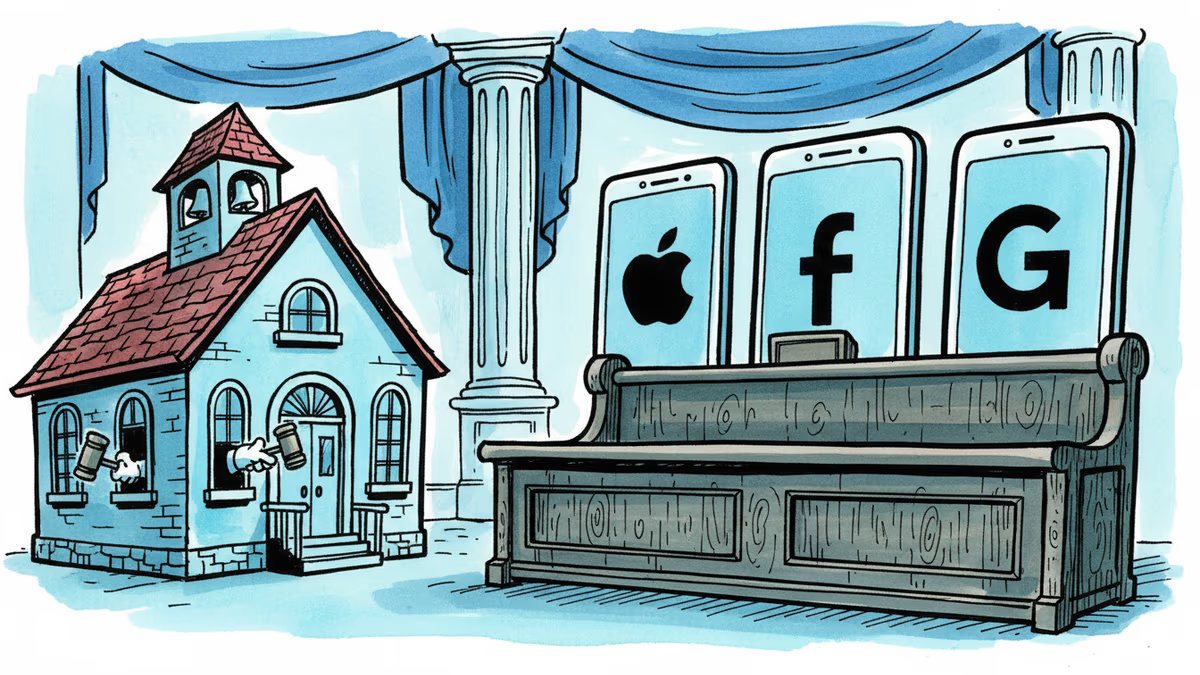
Snap, YouTube, and TikTok settled a landmark school district lawsuit over social media addiction. With 1,000+ similar cases pending, this could reshape Big Tech's liability landscape.
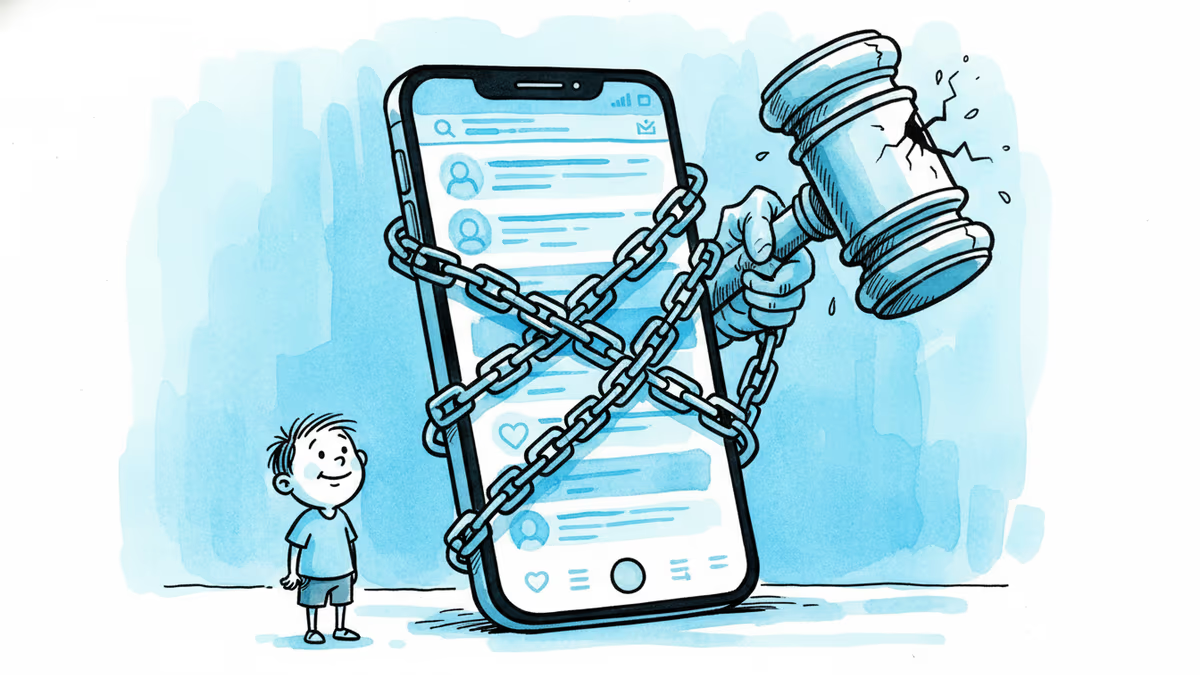
New Mexico already won $375 million from Meta. Now it wants something harder to give: a court order forcing Facebook, Instagram, and WhatsApp to redesign themselves. A three-week trial starts Monday.
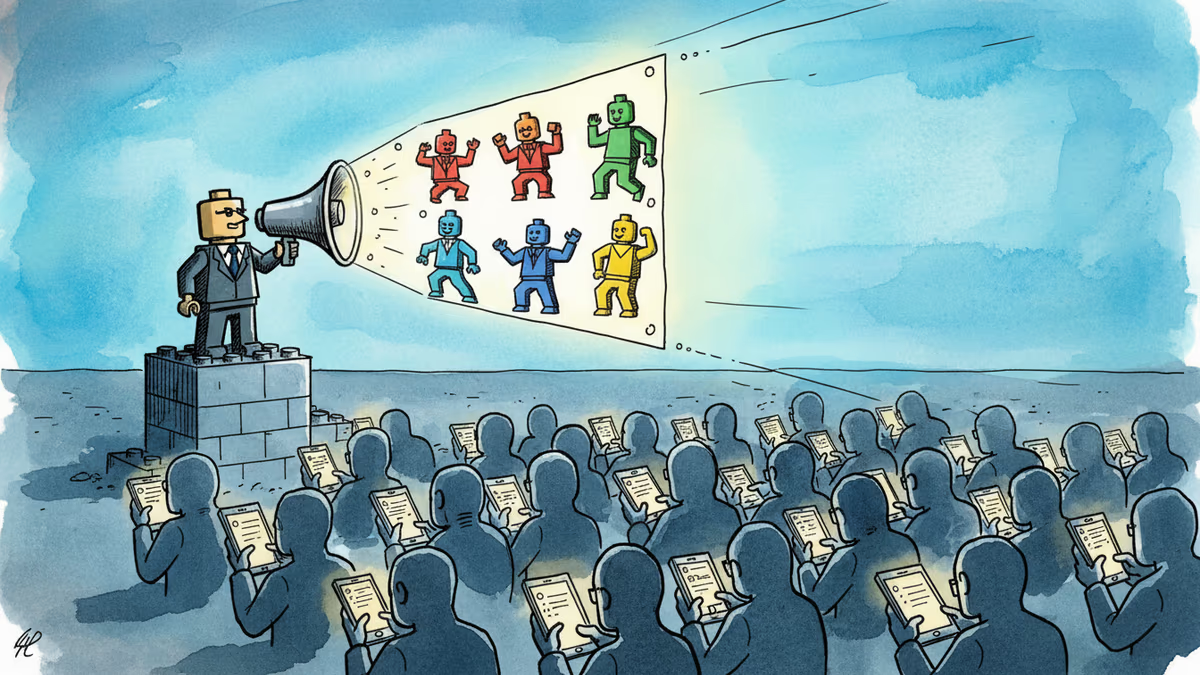
A small pro-Iran team is racking up millions of views with AI-generated Lego videos that mock Trump — and Americans are sharing them. What does that tell us about information warfare?
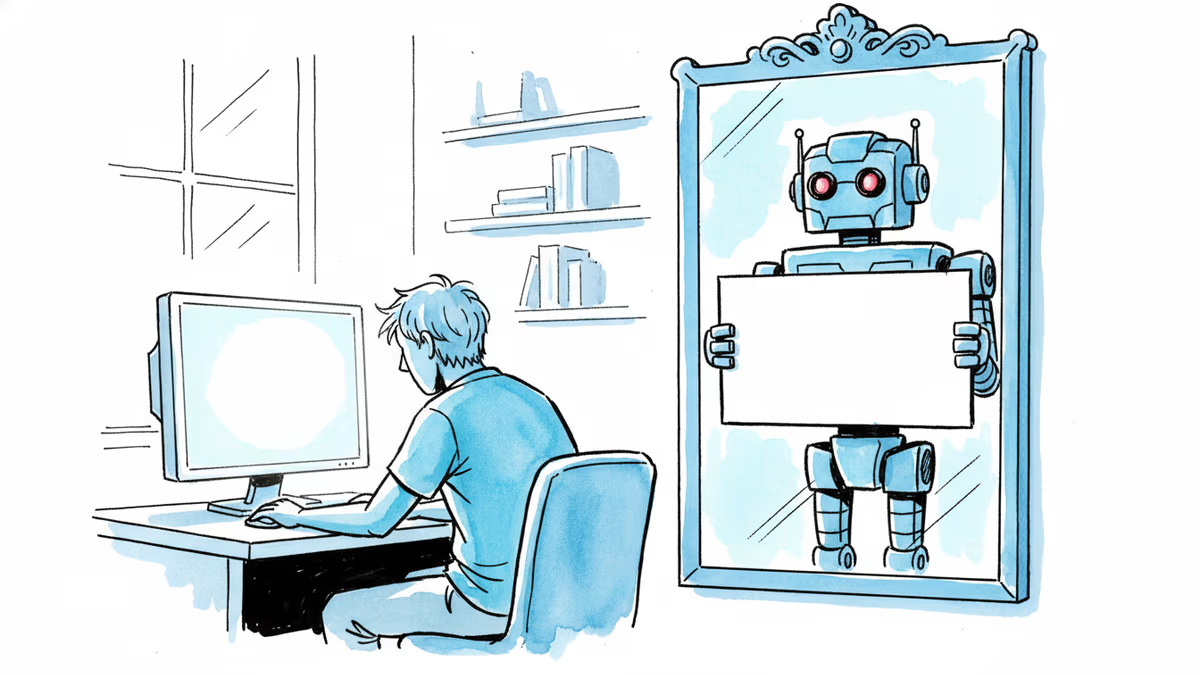
Reddit CEO Steve Huffman announced human verification for suspicious accounts. As AI bots flood the internet, one platform is drawing a line — but the line keeps moving.
Snap, YouTube, and TikTok settled a landmark school district lawsuit over social media addiction. With 1,000+ similar cases pending, this could reshape Big Tech's liability landscape.
New Mexico already won $375 million from Meta. Now it wants something harder to give: a court order forcing Facebook, Instagram, and WhatsApp to redesign themselves. A three-week trial starts Monday.
A small pro-Iran team is racking up millions of views with AI-generated Lego videos that mock Trump — and Americans are sharing them. What does that tell us about information warfare?
Reddit CEO Steve Huffman announced human verification for suspicious accounts. As AI bots flood the internet, one platform is drawing a line — but the line keeps moving.
Thoughts
Share your thoughts on this article
Sign in to join the conversation