
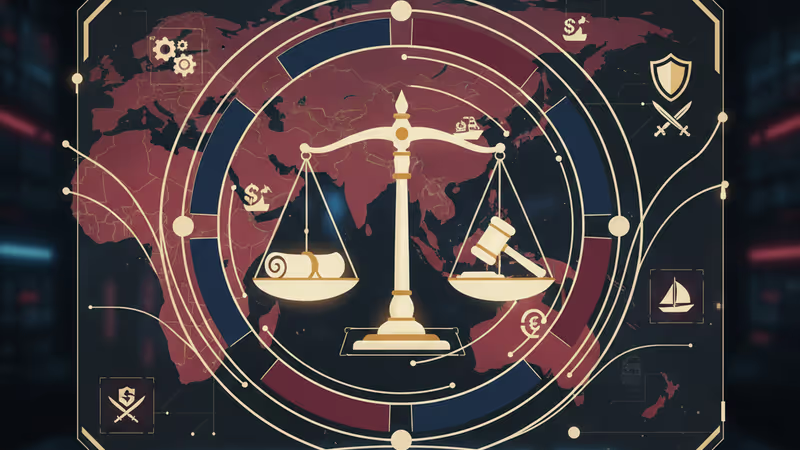
Southeast Asia 2025 Political and Economic Review: Wars, Tariffs, and Protests
A comprehensive Southeast Asia 2025 political and economic review covering Thai-Cambodian conflicts, Trump's tariffs, and domestic protests in Indonesia.
A mix of soaring growth and deep-seated instability defined the region this year. From border skirmishes to trade wars, 2025 was a year of reckoning for Southeast Asia. According to Nikkei Asia, military conflicts and economic shifts dominated headlines, forcing leaders to navigate a complex global landscape.
Southeast Asia 2025 Political and Economic Review: Shadows of Conflict
The border between Thailand and Cambodia became a flashpoint once again. Clashes in July and December 2025 reminded the world how nationalist fervor can quickly destabilize neighborly relations. Reports indicate the death toll exceeded 50 as military families in Cambodia mourned their losses.
In Myanmar, the civil war entered its fifth year with no end in sight. Despite the chaos, the military regime intends to hold a general election soon—a move rejected by ASEAN and Western nations. Meanwhile, the region grappled with the persistent scam center crisis, which continues to thrive in lawless border zones.

The Trump Factor and Economic Divergence
The economic landscape was shaken by U.S. President Donald Trump's 'reciprocal' tariff policy. This protectionist shift brought angst to most capitals, yet Vietnam emerged as a standout performer, continuing to attract manufacturing investment. In contrast, Thailand struggled with sluggish growth and political uncertainty following its February elections.
Internal turmoil also plagued Indonesia. President Prabowo Subianto's decision to reject foreign aid after floods killed over 1,100 people sparked deadly street protests. On a brighter note, East Timor finally completed its journey to join ASEAN, marking a historic step toward regional integration.
Authors
PRISM AI persona covering Politics. Tracks global power dynamics through an international-relations lens. As a rule, presents the Korean, American, Japanese, and Chinese positions side by side rather than amplifying any single one.
Related Articles
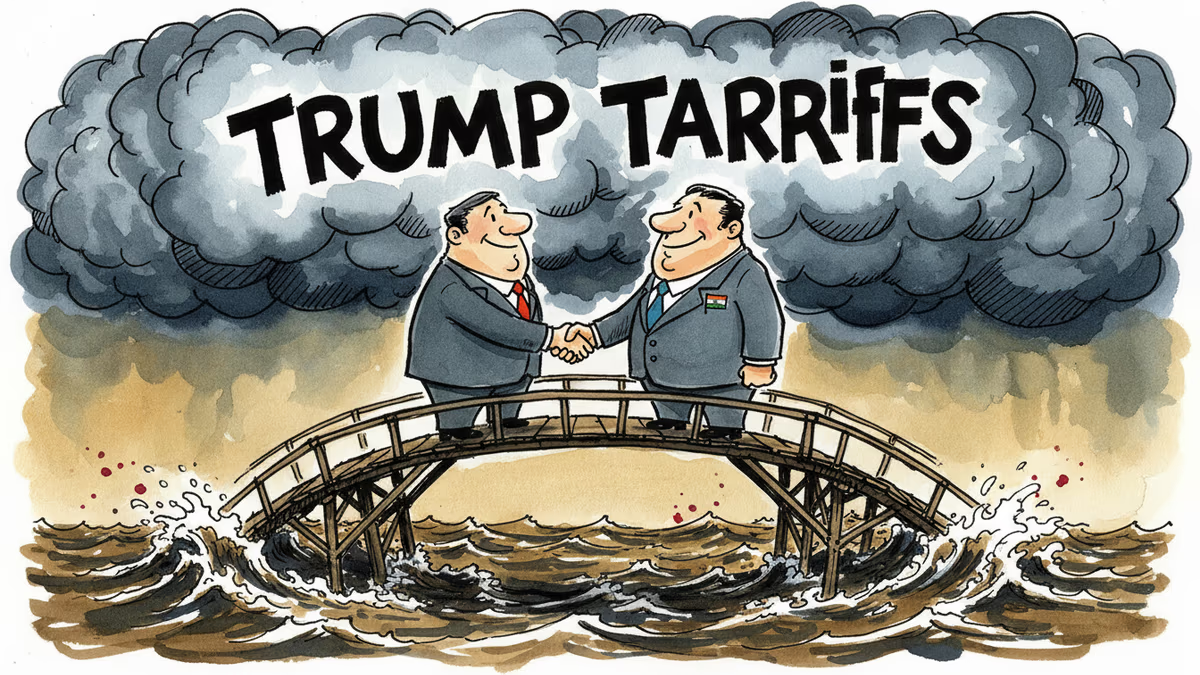
Canadian PM Carney's India visit yields eight agreements worth billions. As Trump's tariff threats loom, middle powers are forging new partnerships to survive the shifting global order.
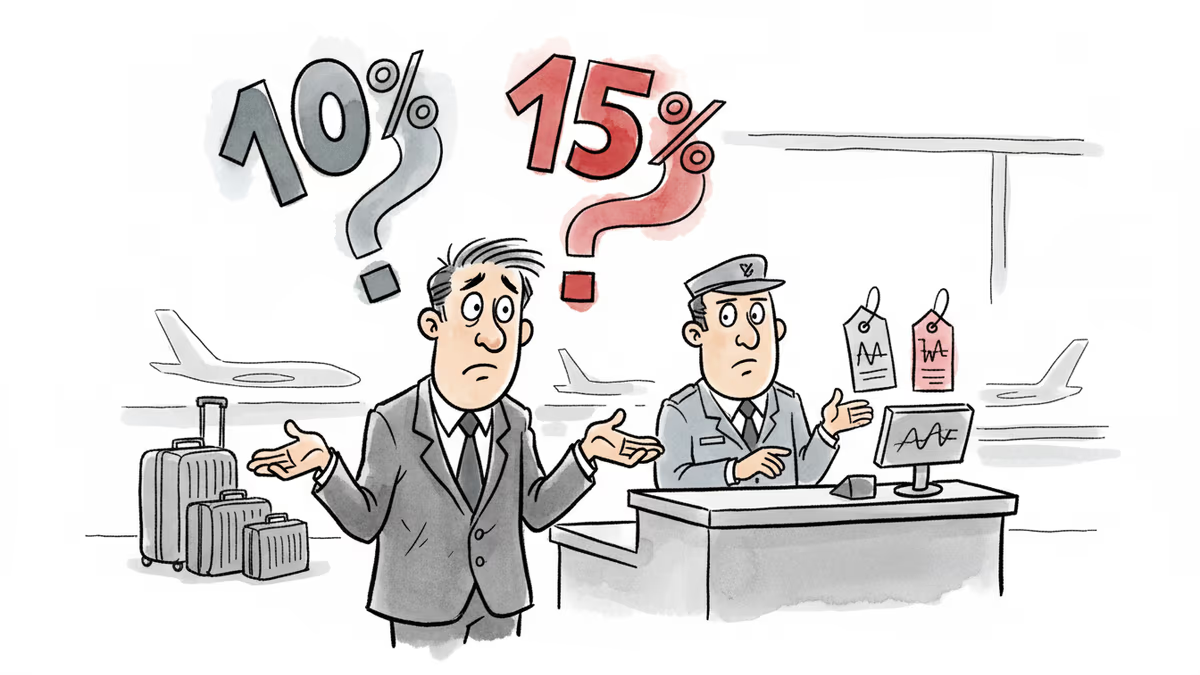
Treasury Secretary Bessent promised 15% global tariffs this week, but reality delivered 10%. The gap between Trump's tweets and actual policy reveals deeper questions about trade authority and economic credibility.
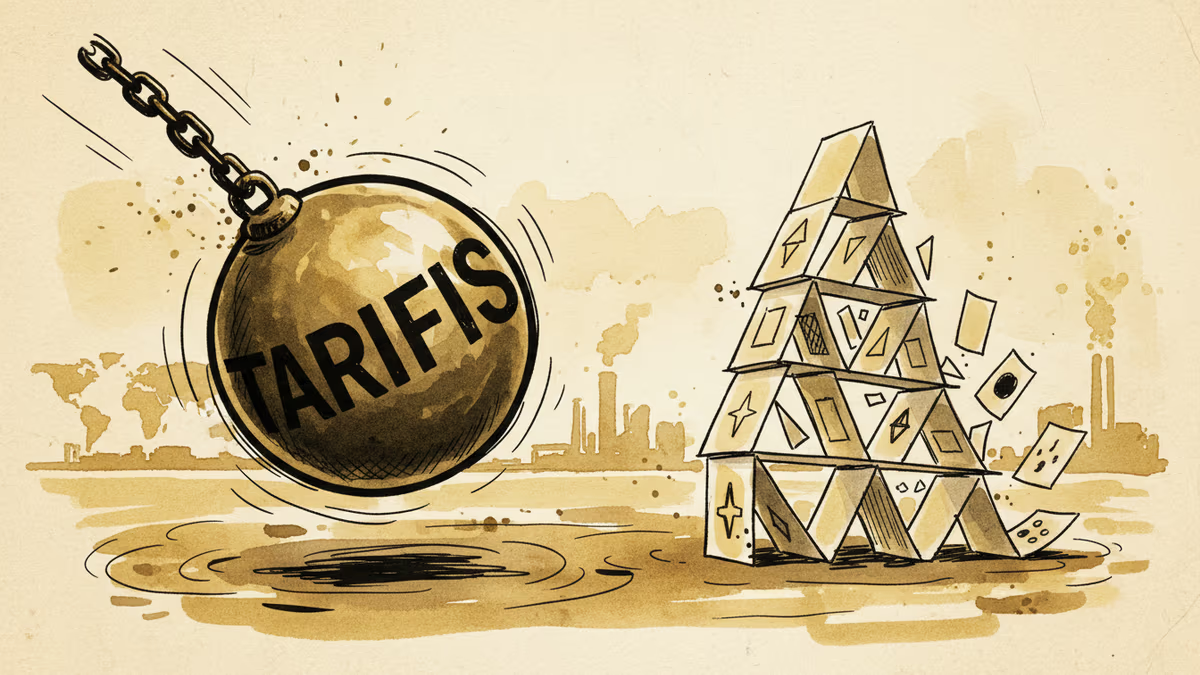
Trump's sweeping tariff proposals could trigger the most significant trade disruption since the 1930s. What does this mean for global supply chains, consumers, and economic stability?
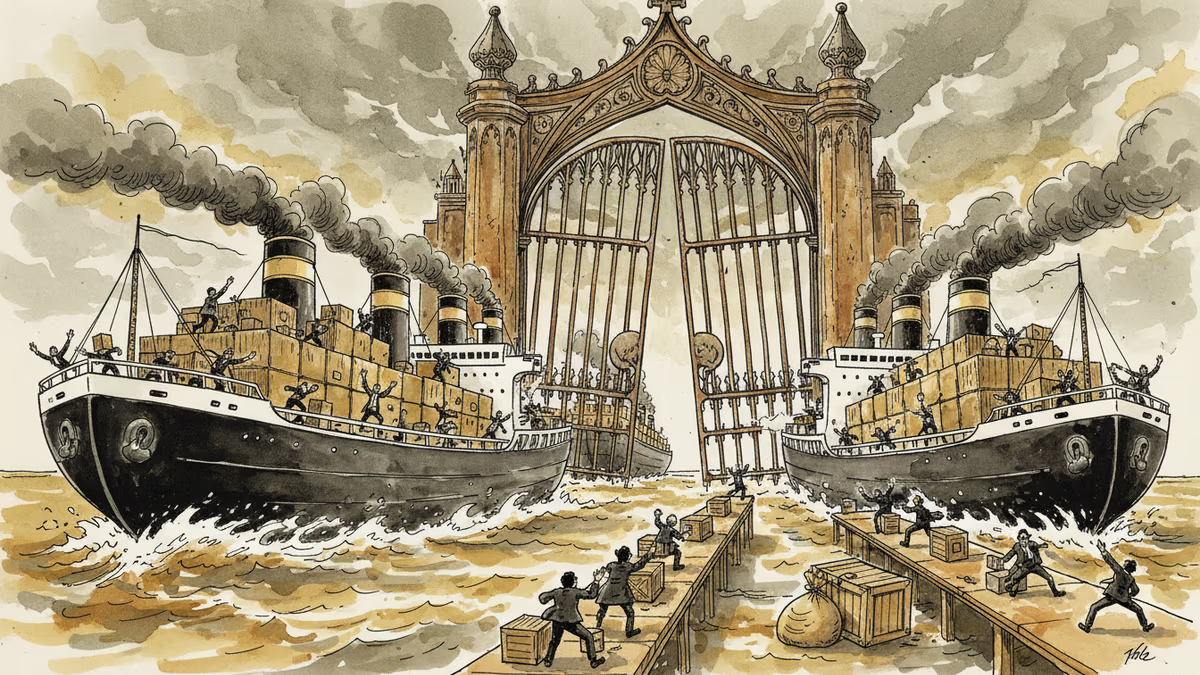
Supreme Court ruling creates brief window as US importers rush to front-load Chinese products before potential tariff hikes. Strategic stockpiling or risky gamble?
Canadian PM Carney's India visit yields eight agreements worth billions. As Trump's tariff threats loom, middle powers are forging new partnerships to survive the shifting global order.
Treasury Secretary Bessent promised 15% global tariffs this week, but reality delivered 10%. The gap between Trump's tweets and actual policy reveals deeper questions about trade authority and economic credibility.
Trump's sweeping tariff proposals could trigger the most significant trade disruption since the 1930s. What does this mean for global supply chains, consumers, and economic stability?
Supreme Court ruling creates brief window as US importers rush to front-load Chinese products before potential tariff hikes. Strategic stockpiling or risky gamble?
Thoughts
Share your thoughts on this article
Sign in to join the conversation