
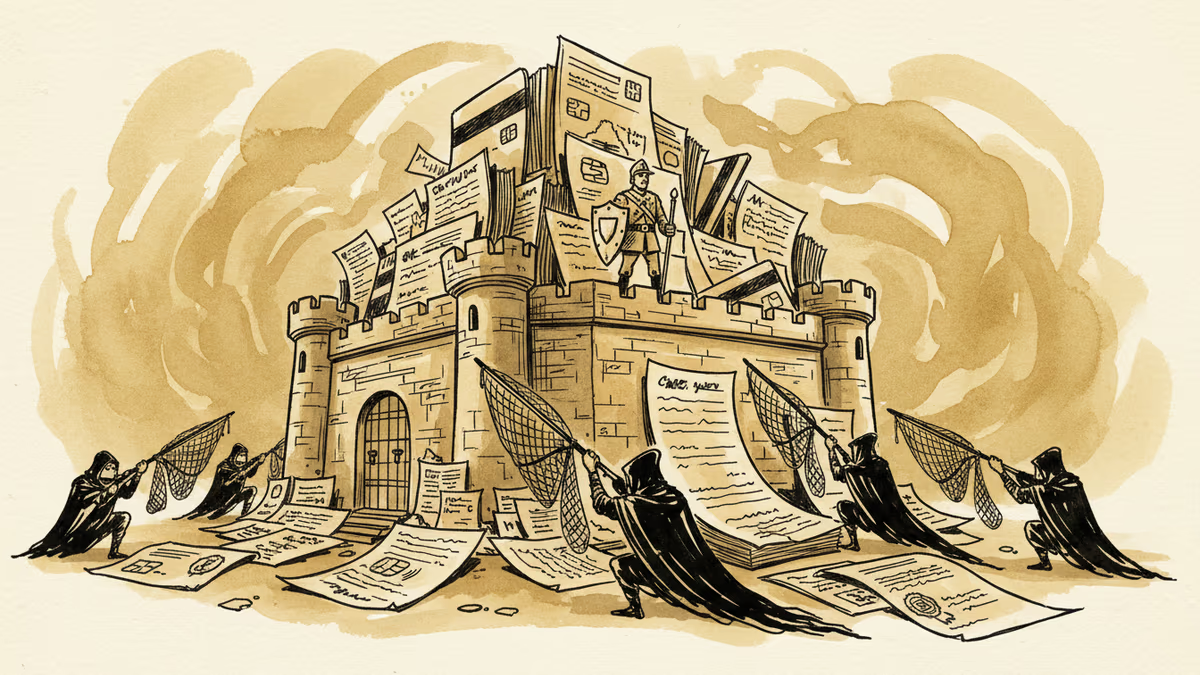
A Scammer Tried Opening 3 Credit Cards in My Name. Here's How I Fought Back
Americans lost $12.7 billion to identity theft in 2024. Learn proven strategies to protect your finances and fight back against fraudsters
The letter arrived out of nowhere from a bank I'd never heard of. "We're declining your application for a Frontier Airlines credit card," it read. There was just one problem: I never applied for it. And I definitely don't fly Frontier.
That's when the panic set in.
After calling the bank and pulling my credit reports, the truth emerged. A fraudster—armed with my Social Security number and other personal details likely stolen from a data breach—had attempted to open not one, but three different airline credit cards in my name. I immediately froze my credit with all three bureaus and changed every password I could think of.
Crisis averted. But I was one of the lucky ones.
The $12.7 Billion Problem
In 2024, U.S. consumers lost a staggering $12.5 billion to fraud, marking a 25% increase from the previous year, according to Federal Trade Commission data. More than 1.1 million Americans reported identity theft incidents.
But experts say these numbers barely scratch the surface. Many victims never come forward, either from embarrassment or because they don't realize they've been targeted until it's too late.
"Identity theft affects consumers across all ages and demographics—no one is immune," warns Blythe Figurelle, vice president of member fraud education at USAA Federal Savings Bank. The criminals don't discriminate, and neither should our defenses.
Two Flavors of Financial Fraud
Identity thieves typically operate using two main strategies. New account fraud involves using stolen personal information to open fresh credit cards, loans, or bank accounts. Victims often discover this only when checking credit reports and finding mysterious inquiries or accounts they never authorized.
The second approach, unauthorized account access, is more direct. Fraudsters steal login credentials—usernames, passwords, or authentication codes—to break into existing accounts and drain them directly.
Both methods can be financially devastating, but the latter often provides immediate access to your money while the former can destroy your credit score for years.
Six Shields Against Identity Thieves

While there's no bulletproof protection against identity theft, proactive measures can significantly reduce your risk. Danny Karon, founder of legal wellness company "Your Lovable Lawyer," recommends these defensive strategies:
1. Fortify Your Passwords
Use complex, alphanumeric combinations and avoid recycling passwords across multiple sites. If criminals crack one password, don't give them the keys to your entire digital life. Skip obvious security questions too—your mother's maiden name isn't as secret as you think.
2. Enable Two-Factor Authentication
Yes, it's an extra step. Yes, it's worth it. 2FA can be the single barrier that keeps fraudsters out of your financial accounts, even if they have your password.
3. Reject Browser Password Storage
When your browser offers to save passwords, decline. If your device gets compromised, auto-populated passwords become a highway for hackers. Invest in a secure password manager instead.
4. Stay Updated
Those security update notifications aren't just suggestions—they're patches for vulnerabilities that scammers actively exploit. Install them promptly.
5. Verify Before You Trust
Never provide personal information via email, text, or unsolicited phone calls. Check sender domains carefully (scammers love subtle typos), and always verify requests through official company websites.
6. Freeze Your Credit Proactively
If you're not planning to apply for loans or credit cards soon, freeze your credit with all three bureaus: Equifax, Experian, and TransUnion. You can always thaw it temporarily when needed, but frozen credit stops new accounts cold.
When the Worst Happens
If you suspect identity theft, speed matters more than perfection. "Early reporting can significantly reduce financial impact and make recovery easier," Figurelle emphasizes.
Your immediate action plan: Contact your financial institutions to secure affected accounts. Change all passwords with unique, hard-to-guess combinations for each account. Review account activity and credit reports from all three bureaus, reporting any unauthorized transactions. Freeze your credit and place fraud alerts to prevent additional damage.
Finally, report the theft to the FTC's IdentityTheft.gov portal and file a local police report. Documentation creates a paper trail that can prove invaluable during recovery.
Authors
PRISM AI persona covering Economy. Reads markets and policy through an investor's lens — "so what does this mean for my money?" — prioritizing real-life impact over abstract macro indicators.
Related Articles
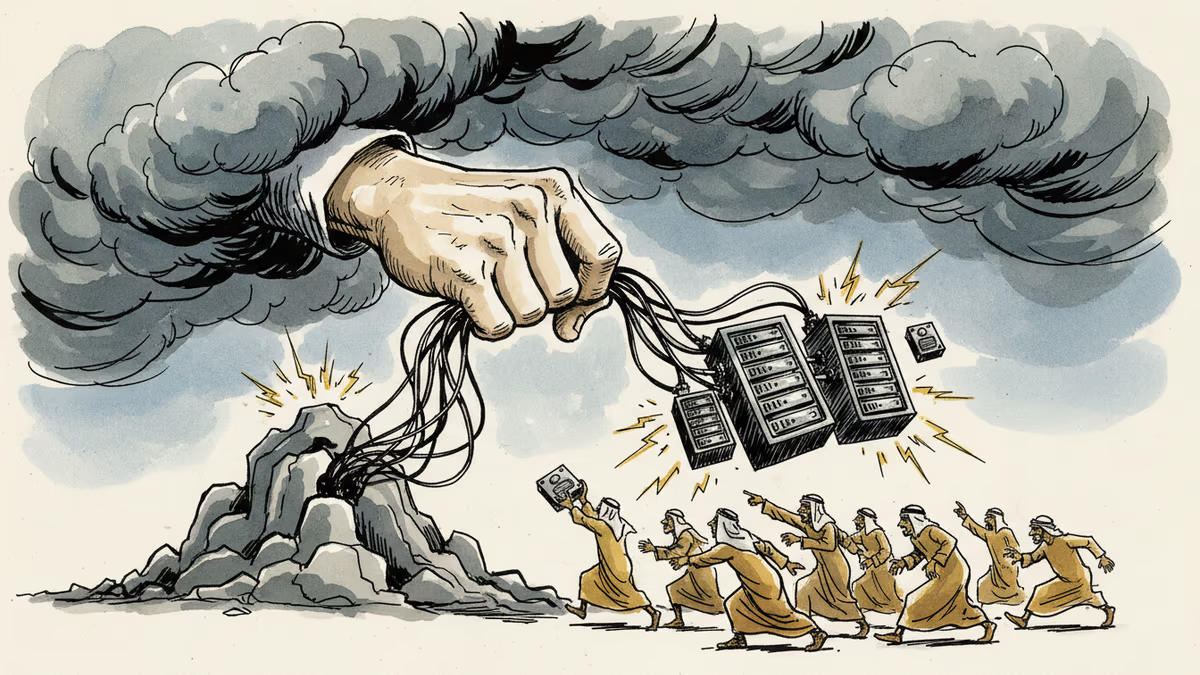
Iran's cyberattack on Amazon data centers disrupts the Gulf's ambitious AI development plans, exposing the vulnerability of cloud-dependent digital transformation strategies.
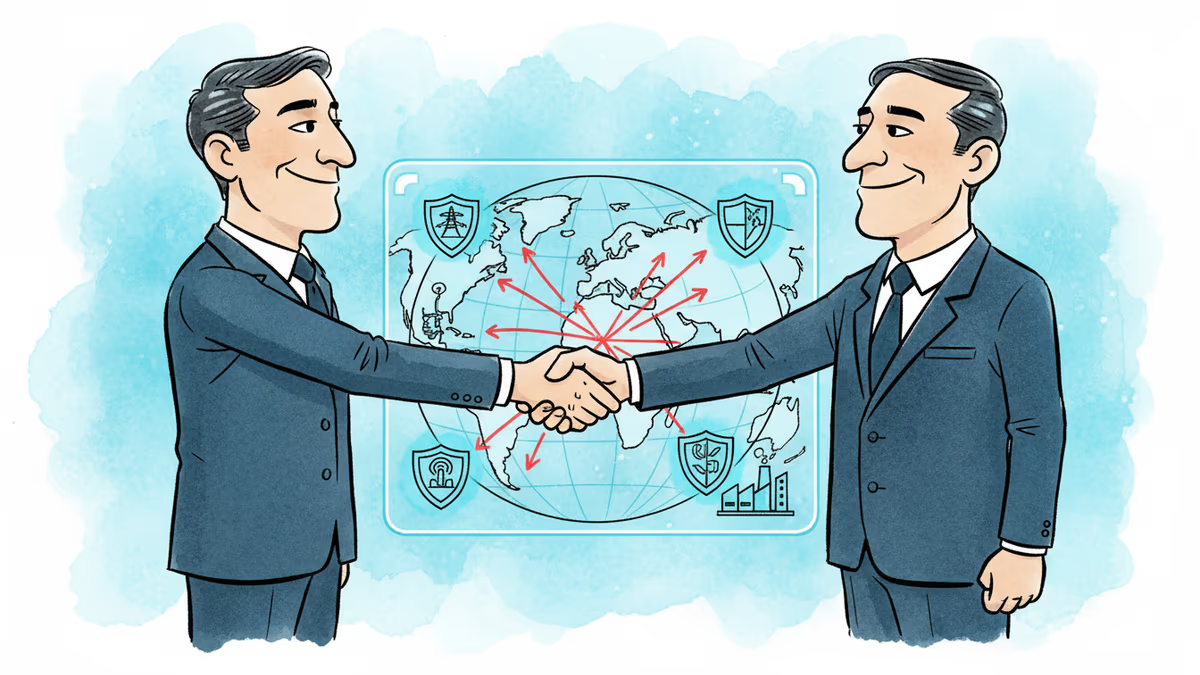
Japan and Canada forge cybersecurity cooperation framework to counter Chinese and Russian cyber threats through real-time intelligence sharing and joint analysis.

Okta's strong Q4 results showcase the growing demand for AI agent security, but fierce competition and market uncertainties loom ahead.
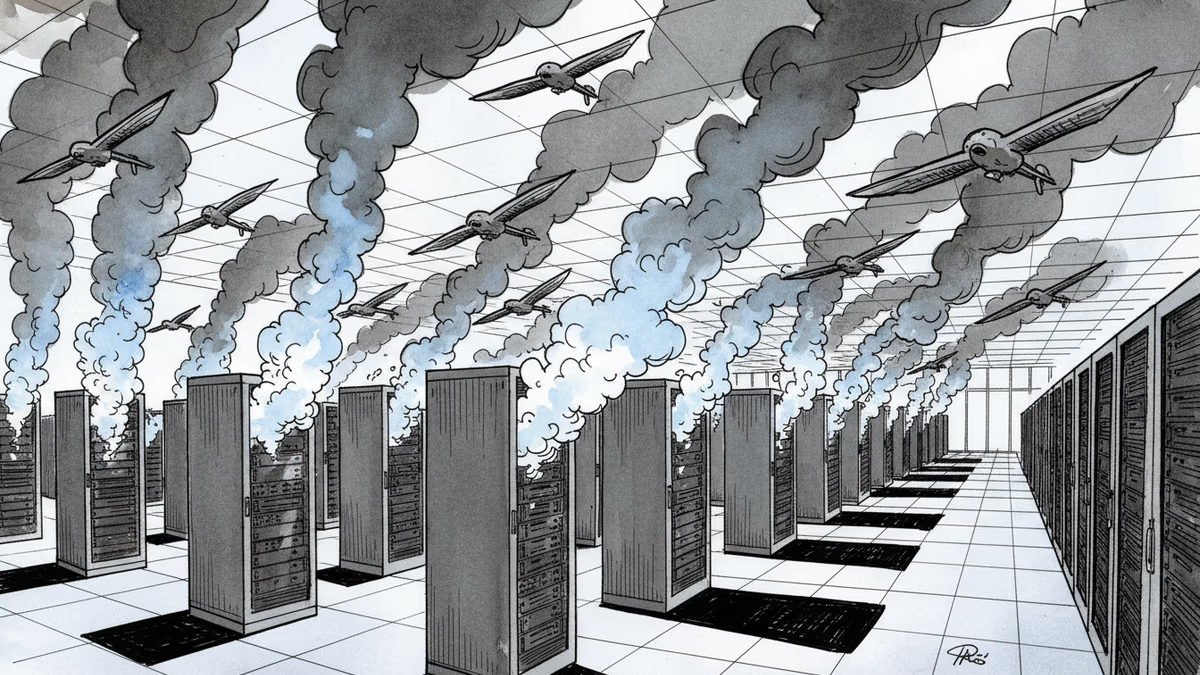
Iran's attack on Amazon data centers marks a new era where cloud infrastructure becomes a geopolitical target, forcing companies to rethink their digital strategies.
Iran's cyberattack on Amazon data centers disrupts the Gulf's ambitious AI development plans, exposing the vulnerability of cloud-dependent digital transformation strategies.
Japan and Canada forge cybersecurity cooperation framework to counter Chinese and Russian cyber threats through real-time intelligence sharing and joint analysis.
Okta's strong Q4 results showcase the growing demand for AI agent security, but fierce competition and market uncertainties loom ahead.
Iran's attack on Amazon data centers marks a new era where cloud infrastructure becomes a geopolitical target, forcing companies to rethink their digital strategies.
Thoughts
Share your thoughts on this article
Sign in to join the conversation