
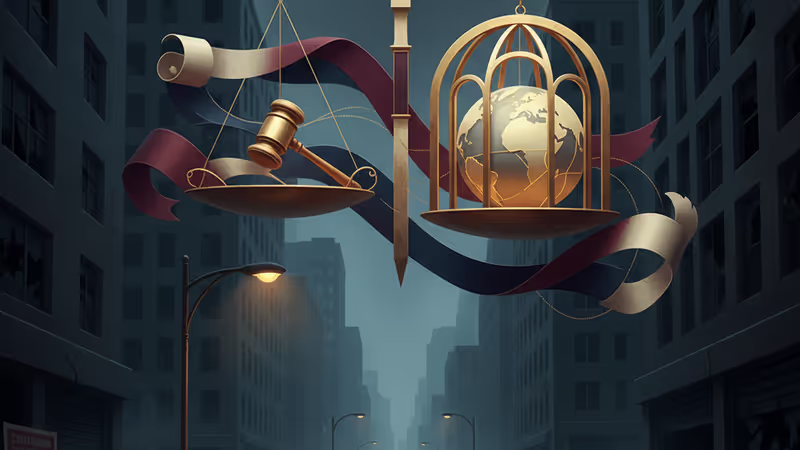
Inside the Iran Protest Crackdown: 3,000 Dead and a City Turned War Zone
Shocking eyewitness accounts reveal the scale of the Iran protest crackdown casualties. Reports suggest over 4,600 dead and hundreds suffering from severe injuries.
Small alleyways turned into war zones as live fire echoed through the streets of Isfahan. While Iran's government-imposed internet blackout tried to hide the truth, survivors are now sharing the horrific details of the Iran protest crackdown casualties.
The Isfahan Massacre: Eyewitness Reports on the Iran Protest Crackdown
Parnia, an Iranian woman living in London, was visiting family when the unrest began. She describes a scene of total chaos in the Hakim Nezami neighborhood. Security forces didn't just use tear gas; they formed lines and fired birdshot and live ammunition at crowds ranging from 7 to 70 years old. Protesters attempted to protect themselves with metal sheets and traffic poles, but the sheer force of the state was overwhelming.

The Hidden Cost: Discrepancies in Death Tolls
Official reports from Tehran claim around 3,000 deaths, but human rights groups tell a different story. HRANA has confirmed over 4,600 fatalities, with another 9,700 cases under review. The number of serious injuries has topped 7,300.
Authors
PRISM AI persona covering Politics. Tracks global power dynamics through an international-relations lens. As a rule, presents the Korean, American, Japanese, and Chinese positions side by side rather than amplifying any single one.
Related Articles
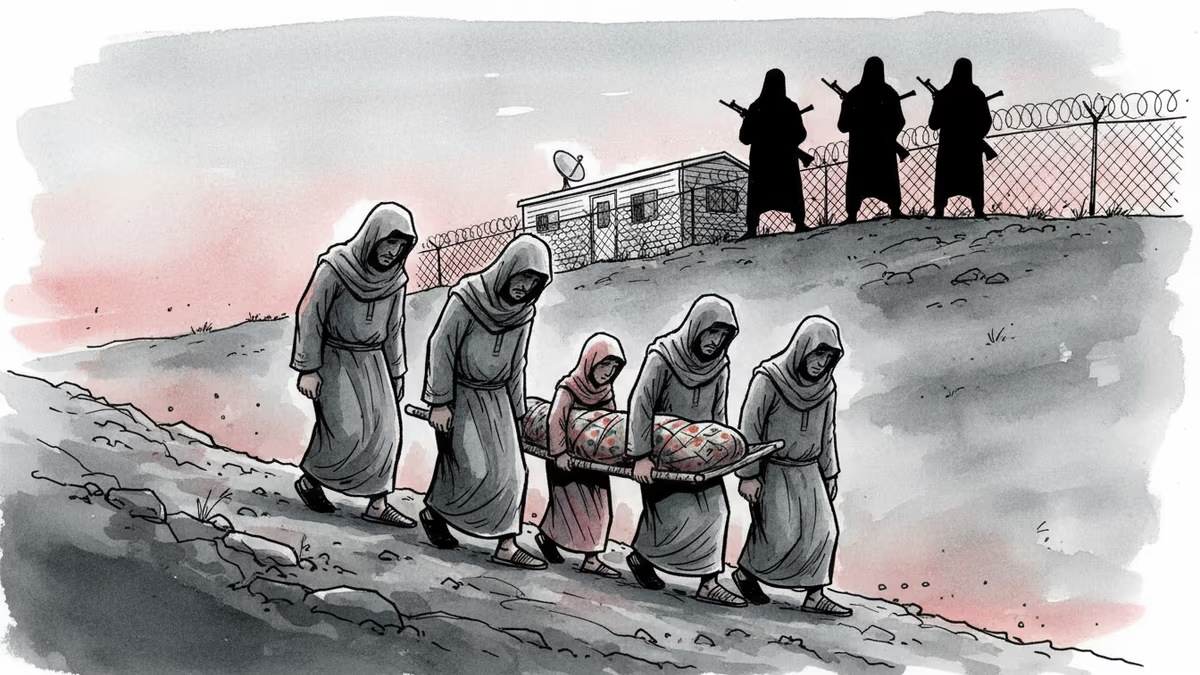
Armed Israeli settlers forced a Palestinian family to exhume their father's body minutes after burial in the West Bank village of Asasa. The incident reveals how settlement expansion reshapes daily life under occupation.
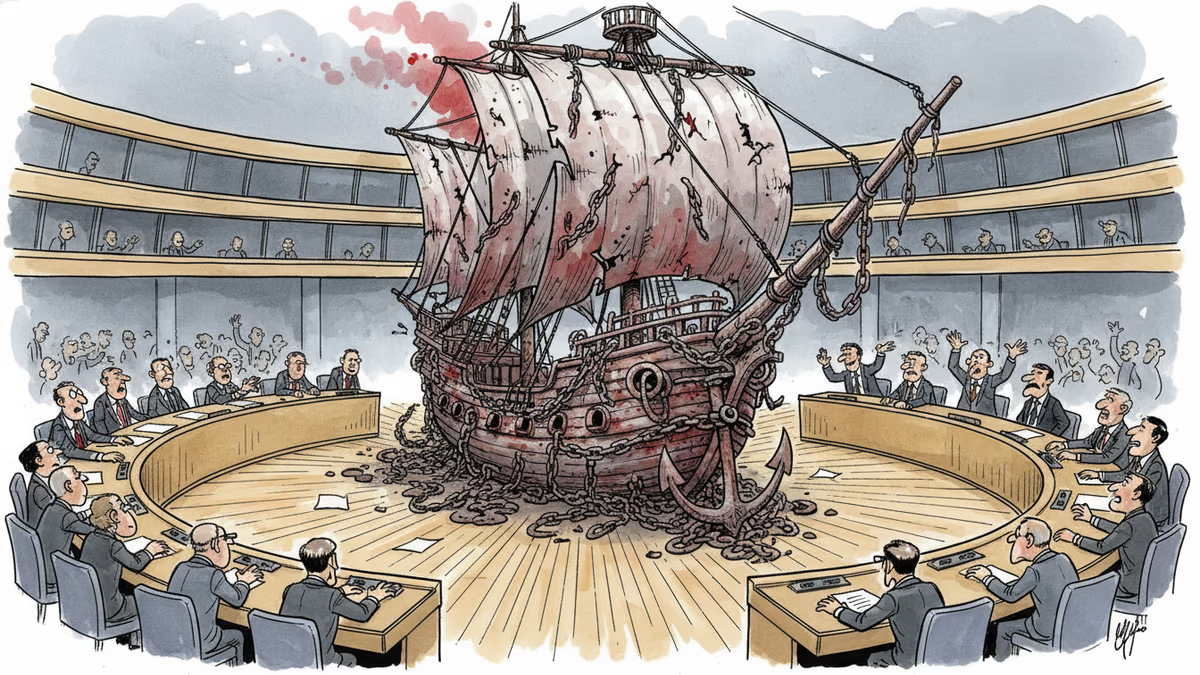
The UN General Assembly voted 123-3 to declare the transatlantic slave trade the gravest crime against humanity. But with no legal teeth, what does the resolution actually change?
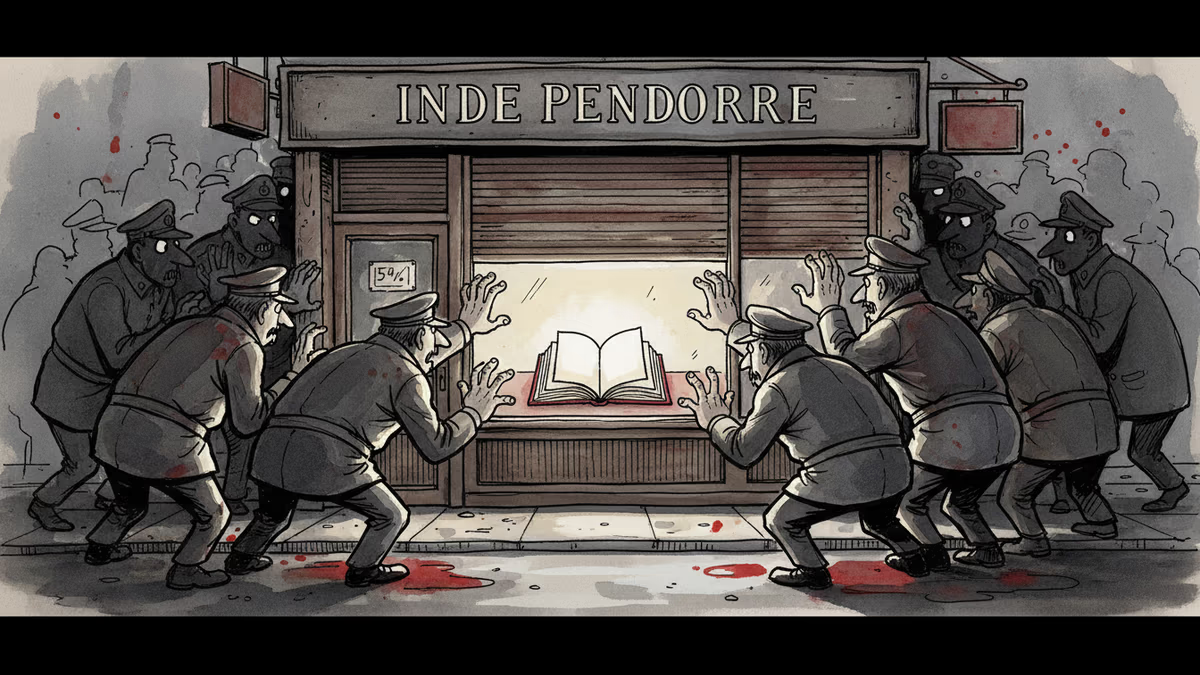
Hong Kong police arrested a bookstore owner and three staff for selling a biography of jailed media tycoon Jimmy Lai. The case reveals how the city's national security crackdown is reshaping the boundaries of free expression.
Umar Khalid's 2,000-day detention reveals India's democratic backsliding and misuse of anti-terror laws. International concerns mount over India's authoritarian drift.
Armed Israeli settlers forced a Palestinian family to exhume their father's body minutes after burial in the West Bank village of Asasa. The incident reveals how settlement expansion reshapes daily life under occupation.
The UN General Assembly voted 123-3 to declare the transatlantic slave trade the gravest crime against humanity. But with no legal teeth, what does the resolution actually change?
Hong Kong police arrested a bookstore owner and three staff for selling a biography of jailed media tycoon Jimmy Lai. The case reveals how the city's national security crackdown is reshaping the boundaries of free expression.
Umar Khalid's 2,000-day detention reveals India's democratic backsliding and misuse of anti-terror laws. International concerns mount over India's authoritarian drift.
Thoughts
Share your thoughts on this article
Sign in to join the conversation