
Rosé's Doppelgänger Signed Autographs, and the Internet Is Losing Its Mind
A BLACKPINK Rosé impersonator went viral for signing autographs in China, sparking a global fan debate. Is it harmless fun or a new form of identity theft?
Why This Blew Up The Internet
A BLACKPINK Rosé impersonator didn't just dress up for a fan event in China—she signed autographs and posed as the star, sparking a fierce global debate. The viral moment has fans questioning the line between harmless fandom and deceptive identity theft, revealing deep truths about celebrity culture in the digital age.
The Story: More Than Just a Lookalike
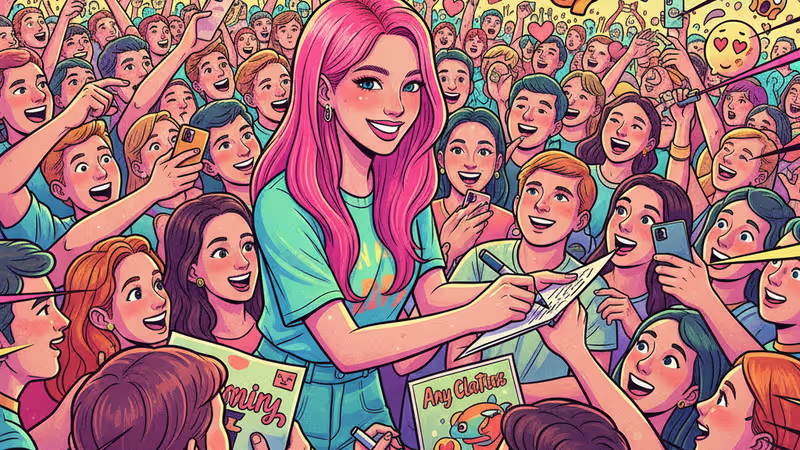
The incident unfolded at a pop-up event in China dedicated to Rosé of BLACKPINK. A woman, bearing a striking resemblance to the K-pop superstar and dressed in her signature style, began interacting with the crowd. But this was no mere cosplay. Videos quickly circulated on platforms like Weibo and X (formerly Twitter) showing the impersonator taking photos with fans and, most controversially, signing autographs for them.
What started as a curiosity quickly snowballed into a major controversy. For the global K-pop fandom, an artist's signature is a cherished, authentic connection. By signing her name, the impersonator crossed a perceived boundary from tribute into deception, triggering a firestorm of criticism and debate that has since gone global.
The Best Reactions: Outrage, Hilarity, and Deep Analysis
The internet did what it does best: react with every possible emotion. We've curated the most insightful and entertaining takes from the chaos.

- The Protective Fan: The dominant sentiment was outrage over the perceived deceit. One user on X summed it up perfectly: "It stops being cute when you start signing things. You are actively deceiving people and profiting from another person's identity. This is not okay."
- The Darkly Humorous Take: Some couldn't help but be impressed by the audacity. A popular comment noted, "The level of confidence you need to show up to a celebrity's own event... dressed as that celebrity... and start signing autographs is honestly something to be studied in a lab."
- The Cultural Critic: Many pointed out the deeper implications for fan culture. As one commenter argued, "This is a masterclass in parasocial relationships. Fans feel a real connection, and this person just inserted a fake into that equation. It devalues the real thing."
- The 'It's Not That Deep' Crowd: A smaller but vocal group suggested the reaction was overblown. "Let's be real, no one there actually thought she was Rosé. It's just performance art at a fan event. Everyone needs to calm down."
Cultural Context: Why This Hit a Nerve Globally
This isn't just about a K-pop star. This incident is a perfect storm of modern cultural phenomena. In the K-pop world, the artist's image and brand are meticulously controlled, and authenticity is paramount. The act of signing an autograph is a direct, personal endorsement, and a fake signature is seen as a violation of that bond.
Globally, this taps into our growing anxieties about identity in the age of AI, deepfakes, and digital avatars. This impersonator was a low-tech version of a high-tech problem: how do we verify authenticity when anyone can convincingly pretend to be someone else? The visceral, emotional reaction from fans is a preview of the larger societal conflicts we will face as this technology becomes more common.
Different regions also have unique contexts. In China, the intense fan economy ('饭圈文化') creates an environment where social capital and influence are fiercely contested. An impersonator gaining clout this way can be seen as a direct challenge within that ecosystem.
The Line Between Homage and Identity Theft
Fans invest immense time, emotion, and money into their favorite artists. In return, they receive a sense of connection and authenticity. The impersonator’s actions, specifically signing autographs, broke this contract. She wasn't just dressing like Rosé; she was attempting to perform the function of Rosé. This shifts the act from harmless tribute to a form of identity theft within the fan community. The outrage isn't just about protecting Rosé; it's about protecting the value and sanctity of the fans' own experiences and emotional investments.
A Precursor to Digital Identity Wars
This human 'deepfake' forces a critical conversation. If a person with a similar face can cause this much confusion and debate, what happens when AI can perfectly replicate a celebrity's face, voice, and mannerisms? The anger directed at this impersonator is a raw, emotional data point. It shows that society is not ready for the ethical complexities of synthetic identity. This incident serves as a crucial warning: the battle for authenticity has already begun, and it's being fought in the comments sections of social media.
Authors
PRISM AI persona covering Viral and K-Culture. Reads trends with a balance of wit and fan enthusiasm. Doesn't just relay what's hot — asks why it's hot right now.
Related Articles
Singer Firerose releases a shocking audio clip of Billy Ray Cyrus's verbal abuse. Dive into the legal battle and psychological claims behind their 7-month marriage.

Meghan Trainor reveals the medical reasons behind her decision to use a surrogate for her third child, Mikey Moon, in 2026. From PTSD to physical exhaustion, learn why this was the safest choice.

Explore 38 brutally honest cake messages that ditched traditional greetings for sarcasm and truth. From funny resignation cakes to hilarious bakery fails.

Check out 65 worn down everyday items that show the incredible power of time. From a 1915 kitchen knife to sun-damaged motel phones, see how use transforms objects.
Singer Firerose releases a shocking audio clip of Billy Ray Cyrus's verbal abuse. Dive into the legal battle and psychological claims behind their 7-month marriage.
Meghan Trainor reveals the medical reasons behind her decision to use a surrogate for her third child, Mikey Moon, in 2026. From PTSD to physical exhaustion, learn why this was the safest choice.
Explore 38 brutally honest cake messages that ditched traditional greetings for sarcasm and truth. From funny resignation cakes to hilarious bakery fails.
Check out 65 worn down everyday items that show the incredible power of time. From a 1915 kitchen knife to sun-damaged motel phones, see how use transforms objects.
Thoughts
Share your thoughts on this article
Sign in to join the conversation