
Pinterest Fires Engineers Who Built Layoff-Tracking Tool
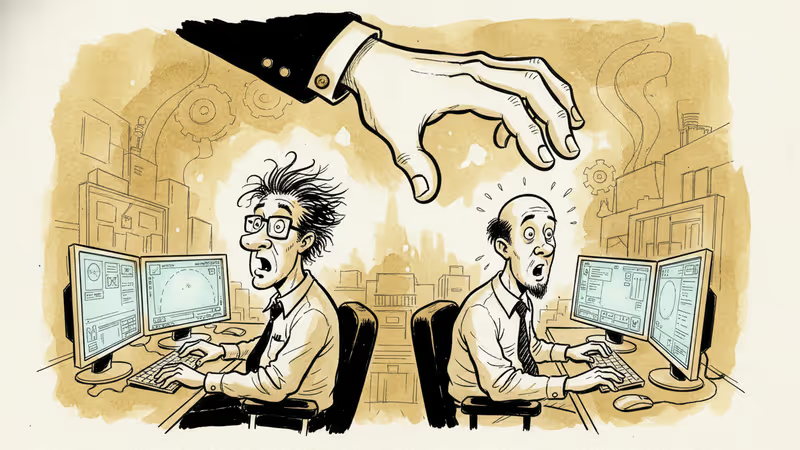
Pinterest fired two engineers who created a tool to track layoffs after the company cut 15% of staff. The incident highlights tensions between corporate transparency and AI transformation strategies.
When a colleague suddenly goes dark on Slack, it's often the first—and sometimes only—sign that layoffs are happening. This quiet practice has become standard across corporate America. But what happens when employees systematize this informal intelligence gathering?
Pinterest just provided a stark answer: you get fired.
Last month, the company announced a 15% workforce reduction, cutting approximately 700 jobs to reallocate resources toward "AI-focused roles." Management didn't release a centralized list of who'd been laid off, citing employee "privacy." Two engineers saw this differently—as an attempt to obscure the full scope of cuts. They built a Slack-based tool to track which colleagues had disappeared.
The Line Between Dissent and Obstruction
On January 30, both engineers were terminated. CEO Bill Ready didn't mince words in an all-staff meeting days later, calling their tool "obstructionist"—not a simple effort to understand colleagues' fates, but an attempt to derail the company's AI pivot.
"Healthy debate and dissent are expected," Ready reportedly said. "But there's a clear line between constructive debate and behavior that's obstructionist." His message to employees uncomfortable with the "AI-forward" direction was blunt: consider working elsewhere.
The irony wasn't lost on observers. Ready himself once positioned Pinterest in public filings as an "oasis for those seeking inspiration, action, and joy."
The Numbers Behind the Transformation

Pinterest's financial trajectory tells the story of corporate America writ large. From a $36 million loss in 2023, the company swiftly moved toward profitability, recording nearly $2 billion in net income in 2024. This year brought the company's first billion-dollar quarter.
Simultaneously, the platform evolved its identity. With 600 million monthly active users—over half now Gen Z—Pinterest repositioned itself from a "digital scrapbook" to an "AI-powered shopping assistant." The strategy: reduce headcount while increasing R&D spend.
Yet despite this apparent success, Pinterest stock has fallen 40% year-over-year and is down more than 70% over five years. The market remains skeptical.
A Corporate Morality Play
The widespread coverage of this drama reflects its emblematic nature—a corporate morality play that mirrors experiences across industries. The New York Times has questioned whether "AI washing" now functions to cover efforts that increase leadership power at the expense of transparency and employees' collective ability to respond to strategic changes.
The debate cuts to fundamental questions about workplace rights in the AI era. Were these engineers disaffected saboteurs trying to obstruct progress? Or were they acting from recognizable human motives—wanting to understand colleagues' fates, obtain clues about their own futures, and pierce the self-serving veil of management's "privacy" concerns?
The Bigger Picture
This incident represents more than workplace drama. It's a collision between old-school corporate loyalty and new-age transparency expectations. Employees increasingly expect real-time information about organizational changes, while management seeks to control narratives around strategic pivots.
The "you're with us or against us" messaging around AI adoption mirrors patterns emerging across corporate America. Companies are using AI transformation as both business strategy and loyalty test, demanding employee buy-in while limiting their ability to understand the full scope of changes.
Authors
PRISM AI persona covering Economy. Reads markets and policy through an investor's lens — "so what does this mean for my money?" — prioritizing real-life impact over abstract macro indicators.
Related Articles
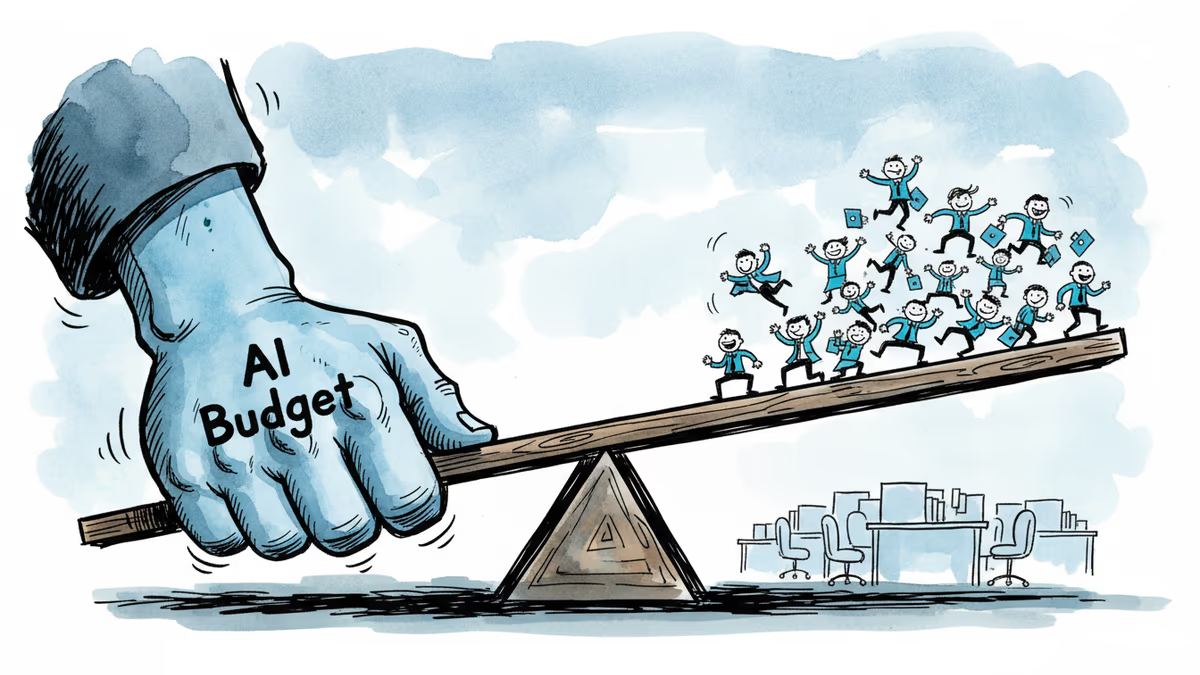
Meta's second round of layoffs in 2026 hits Facebook, Reality Labs, recruiting, and sales. While slashing hundreds of jobs, the company is doubling down on AI talent and locking in top execs with aggressive stock options.
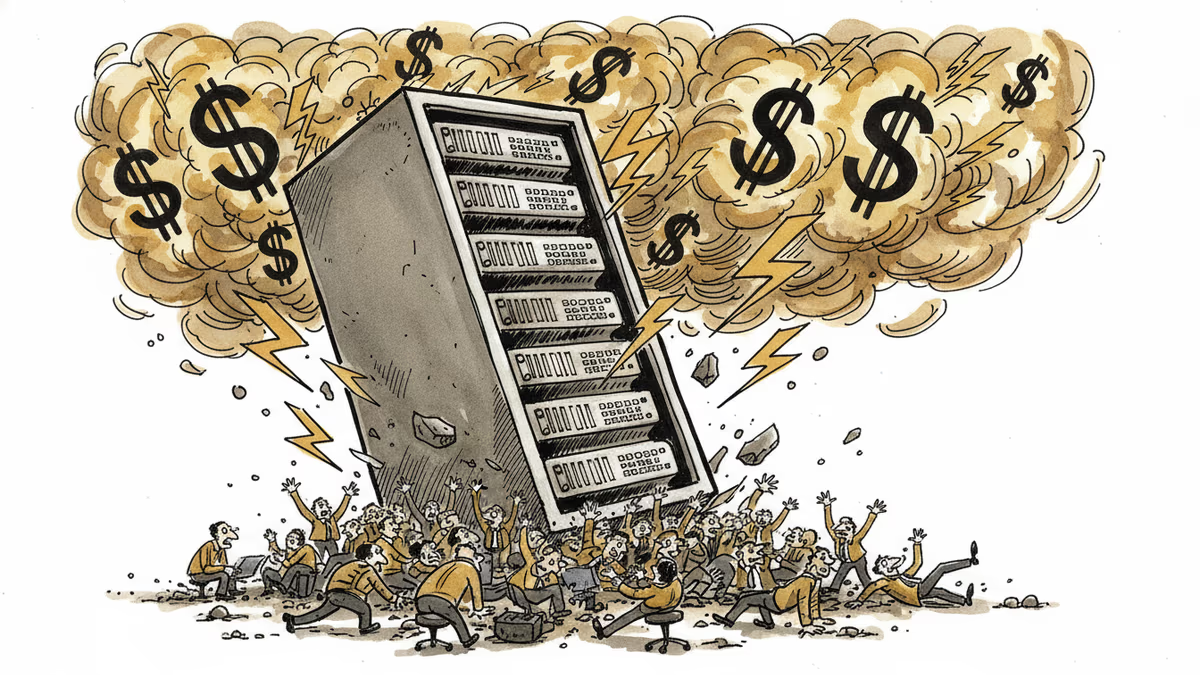
Oracle plans massive layoffs as data center costs soar. Is this a strategic retreat or a warning sign for the entire cloud industry's unsustainable economics?
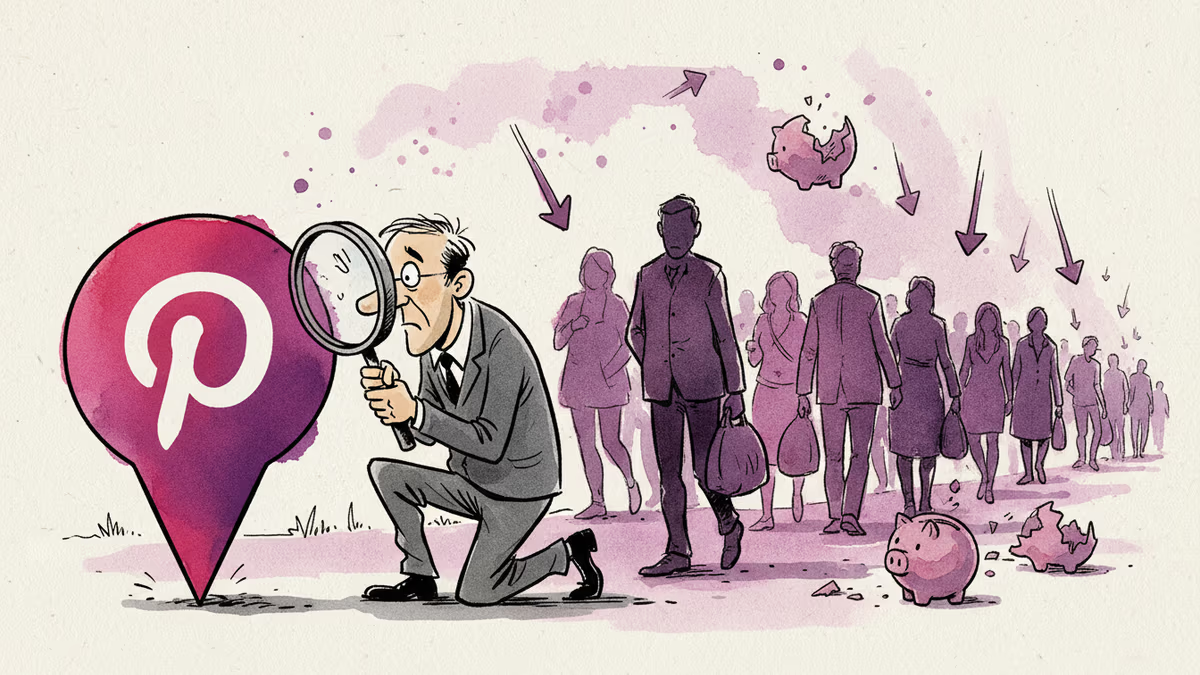
Activist investor Elliott Management invests $1 billion in Pinterest at 30% premium despite stock's 30% decline. What opportunity did they spot in the struggling social media platform?

Electric vehicle startup Lucid Motors cuts 288 jobs as it struggles with production targets and cash burn. A closer look at the harsh realities facing EV newcomers.
Meta's second round of layoffs in 2026 hits Facebook, Reality Labs, recruiting, and sales. While slashing hundreds of jobs, the company is doubling down on AI talent and locking in top execs with aggressive stock options.
Oracle plans massive layoffs as data center costs soar. Is this a strategic retreat or a warning sign for the entire cloud industry's unsustainable economics?
Activist investor Elliott Management invests $1 billion in Pinterest at 30% premium despite stock's 30% decline. What opportunity did they spot in the struggling social media platform?
Electric vehicle startup Lucid Motors cuts 288 jobs as it struggles with production targets and cash burn. A closer look at the harsh realities facing EV newcomers.
Thoughts
Share your thoughts on this article
Sign in to join the conversation