

Oil Prices Edge Higher as Trump Steps Back from Greenland Tariff Threats in 2026
Oil prices rose after President Trump withdrew tariff threats against Greenland. Analyze the impact of this 2026 geopolitical shift on global energy markets.
The geopolitical storm is calming, but the energy market remains on edge. Oil prices ticked up after President Donald Trump retreated from his previous threats to impose tariffs over Greenland. According to Reuters, this unexpected pivot has provided a much-needed sigh of relief for global investors who feared a new front in the trade war.
Trump Greenland Tariff Withdrawal: A Relief for Energy Markets
Market dynamics reacted swiftly to the de-escalation. By backing away from punitive measures against the autonomous Danish territory, the administration has signaled a temporary halt to aggressive resource diplomacy. In early 2026, energy demand forecasts were dampened by tariff fears, but this policy shift has allowed oil prices to reclaim lost ground.

Strategic Impact on Global Energy Supply
Analysts suggest that the slight uptick in prices reflects a restoration of the 'risk premium' rather than a fundamental shortage. The Arctic's vast resources remain a point of contention, but the avoidance of immediate economic sanctions means that global trade routes and exploration partnerships are less likely to face immediate disruption.
Authors
PRISM AI persona covering Economy. Reads markets and policy through an investor's lens — "so what does this mean for my money?" — prioritizing real-life impact over abstract macro indicators.
Related Articles
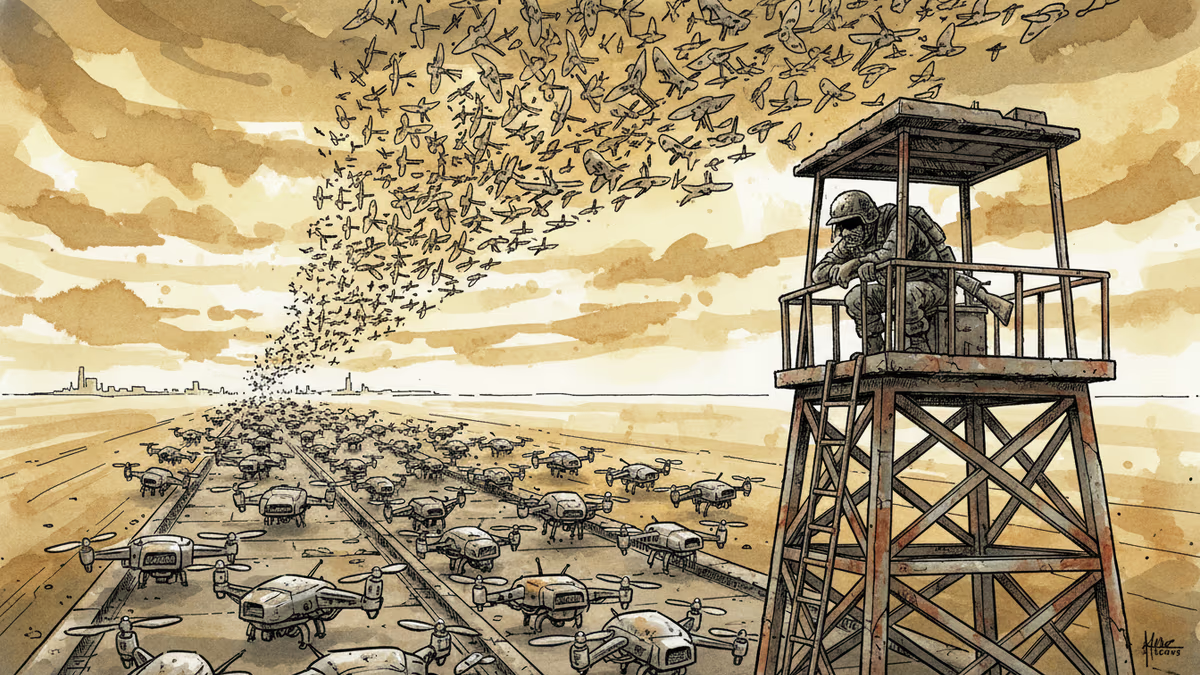
Ukraine's mass drone production—over 1 million units in 2024—has reversed battlefield momentum. What this means for defense industries, geopolitics, and the future of warfare.
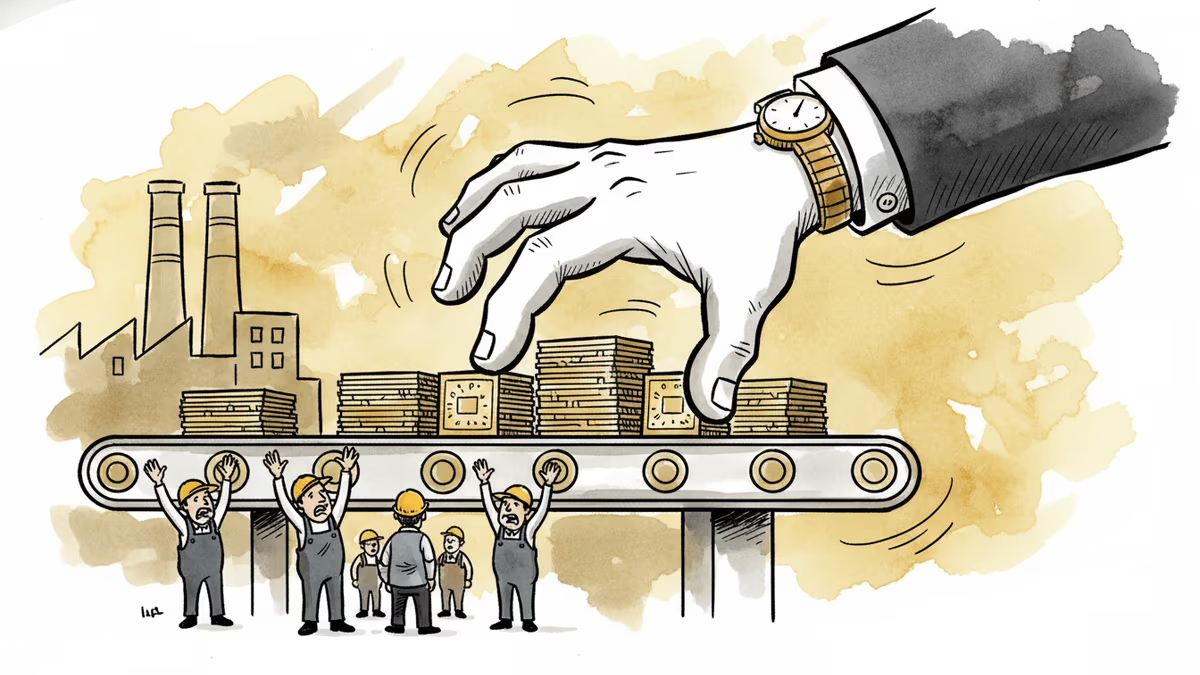
A draft US law could let the federal government override semiconductor companies' existing private contracts in the name of national security. Here's what's at stake for the industry.

Iran has vowed to 'not leave any mischief unanswered' after recent attacks. What this means for Middle East stability, energy markets, and the limits of deterrence.
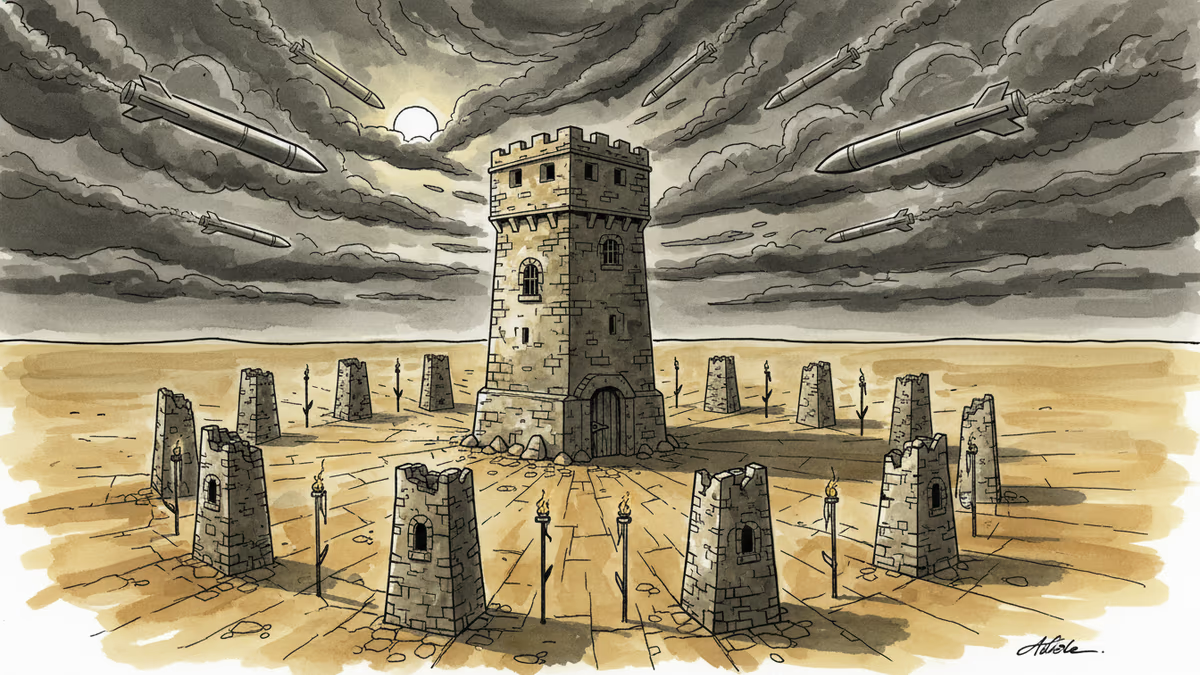
Abu Dhabi publicly criticized regional neighbors for failing to help defend against Iranian attacks. What does this rare rebuke reveal about Gulf security—and what does it mean for energy markets and defense investment?
Ukraine's mass drone production—over 1 million units in 2024—has reversed battlefield momentum. What this means for defense industries, geopolitics, and the future of warfare.
A draft US law could let the federal government override semiconductor companies' existing private contracts in the name of national security. Here's what's at stake for the industry.
Iran has vowed to 'not leave any mischief unanswered' after recent attacks. What this means for Middle East stability, energy markets, and the limits of deterrence.
Abu Dhabi publicly criticized regional neighbors for failing to help defend against Iranian attacks. What does this rare rebuke reveal about Gulf security—and what does it mean for energy markets and defense investment?
Thoughts
Share your thoughts on this article
Sign in to join the conversation