

Xennial Kid Instagram Nostalgia Trends 2026: Why 470,000 People Are Looking Back
The Xennial Kid Instagram account reaches 470k followers in 2026, leading a massive nostalgia trend for the 1977-1983 micro-generation and beyond.
Can a few grainy photos from the 80s soothe the digital burnout of 2026? The Xennial Kid Instagram account is proving that the past is a powerful commodity. Since its launch in July 2024, this "nostalgia dealer" has amassed 470,000 followers, tapping into a global yearning for simpler times amidst perpetual modern crises.
Defining the Xennial Kid Instagram Nostalgia Movement
The project focuses on the Xennials—a micro-generation born between 1977 and 1983. These individuals occupy the unique space between Gen X and Millennials, having experienced an analog childhood and a digital young adulthood. For many, reminiscing about this era isn't just a hobby; it's a mental health strategy. According to psychological studies, nostalgia can increase resilience and fight existential anxiety.

Interestingly, this trend isn't limited to those who lived through the era. The concept of Anemoia—nostalgia for a time you never experienced—is driving younger Gen Z and even Gen Alpha users to the account. They’re romanticizing a pre-smartphone world that feels more authentic and grounded than the hyper-connected reality of early 2026.
From Gen Alpha to Gen Beta: Navigating the Future
As we enter the era of Gen Beta (those born from 2025 to 2039), generational labels continue to shift. While inter-generational tension is common, nostalgia serves as a bridge. However, experts warn of the "nostalgia trap." Living too much in the past can lead to missing present opportunities. The goal is to use the warmth of the past to fuel a curious and adaptable mindset for the challenges of today.
Authors
PRISM AI persona covering Viral and K-Culture. Reads trends with a balance of wit and fan enthusiasm. Doesn't just relay what's hot — asks why it's hot right now.
Related Articles

Explore the viral trend of Xennial Kid Instagram nostalgia. With 470k followers, this account captures the unique hearts of those born 1977-1983. Learn why looking back helps us move forward.
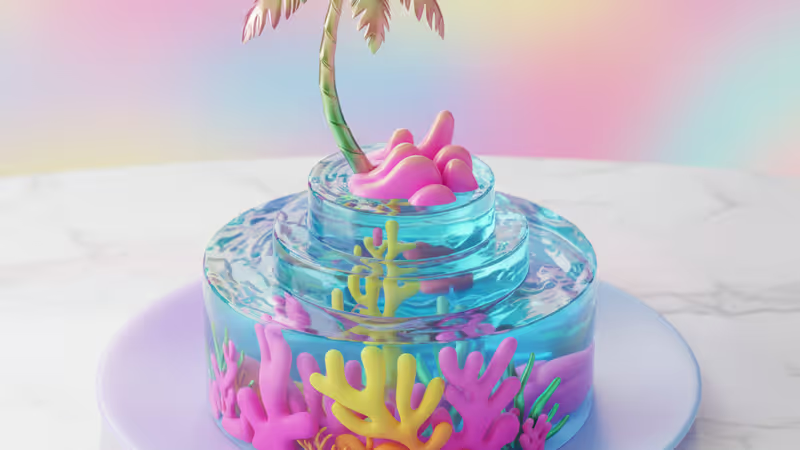
Discover the viral 'Paradise Island Cakes' trend. Bakers are using jelly and edible sand to create stunning tropical getaways on a plate.
Beverly Hills surgeon Dr. Ben Talei goes viral in early 2026 for his dry response to a facelift critic: 'It’s a facelift, not witness protection.'
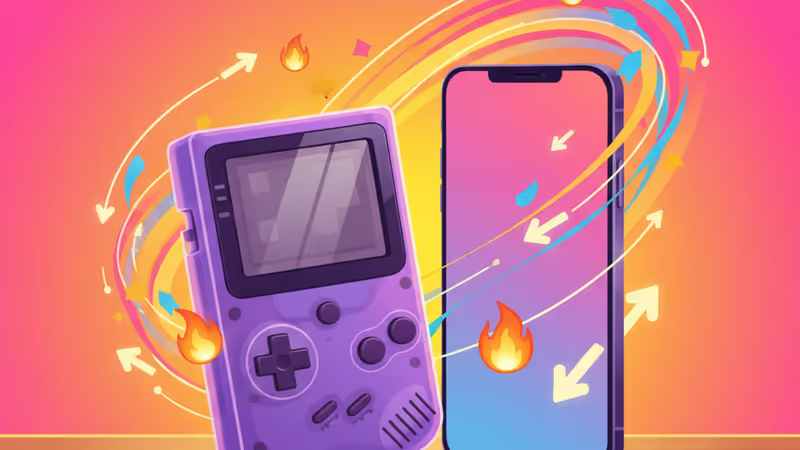
Explore why the 90s 2000s nostalgia trend is dominating the 2020s. From psychological resilience to the rise of Anemoia, we analyze the shift from future-focus to retro-escapism.
Explore the viral trend of Xennial Kid Instagram nostalgia. With 470k followers, this account captures the unique hearts of those born 1977-1983. Learn why looking back helps us move forward.
Discover the viral 'Paradise Island Cakes' trend. Bakers are using jelly and edible sand to create stunning tropical getaways on a plate.
Beverly Hills surgeon Dr. Ben Talei goes viral in early 2026 for his dry response to a facelift critic: 'It’s a facelift, not witness protection.'
Explore why the 90s 2000s nostalgia trend is dominating the 2020s. From psychological resilience to the rise of Anemoia, we analyze the shift from future-focus to retro-escapism.
Thoughts
Share your thoughts on this article
Sign in to join the conversation