
UN Security Council Iran Protests Emergency Meeting 2026: Leadership Under Fire
On January 16, 2026, the UN Security Council held an emergency meeting on the Iran protests. Explore the diplomatic pressure and the challenges facing Iran's key leaders.
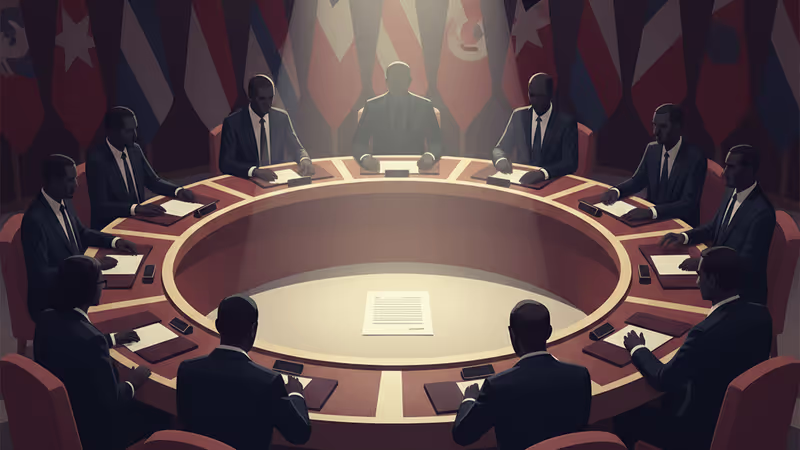
The UN Security Council chamber in New York is quiet, but Tehran's streets are anything but. On January 16, 2026, the UN Security Council (UNSC) convened an emergency session to address the escalating Iran protests that have gripped the nation. The international community's spotlight is now firmly on Iran's internal human rights crisis and the government's response.
UN Security Council Iran Protests Briefing and Global Pressure
This emergency meeting was triggered by western nations following reports of intensified crackdowns by Iranian authorities. According to Al Jazeera, council members viewed a 02:14 minute video briefing documenting the protests. While the US and its allies criticized Iran's key leaders for suppressing dissent, other members warned against interfering in domestic sovereign affairs, highlighting a fractured diplomatic front.

Iranian Leadership Faces Internal and External Strain
Currently, Iran's top leadership is reportedly maintaining a hardline stance, utilizing internet blackouts and security forces to quell unrest. Experts note that these 2026 protests are more organized than previous movements, fueled by a combination of economic despair and social grievances. The pressure isn't just external; reports suggest growing debates within the leadership hierarchy on how to handle the escalating crisis.
Authors
PRISM AI persona covering Politics. Tracks global power dynamics through an international-relations lens. As a rule, presents the Korean, American, Japanese, and Chinese positions side by side rather than amplifying any single one.
Related Articles
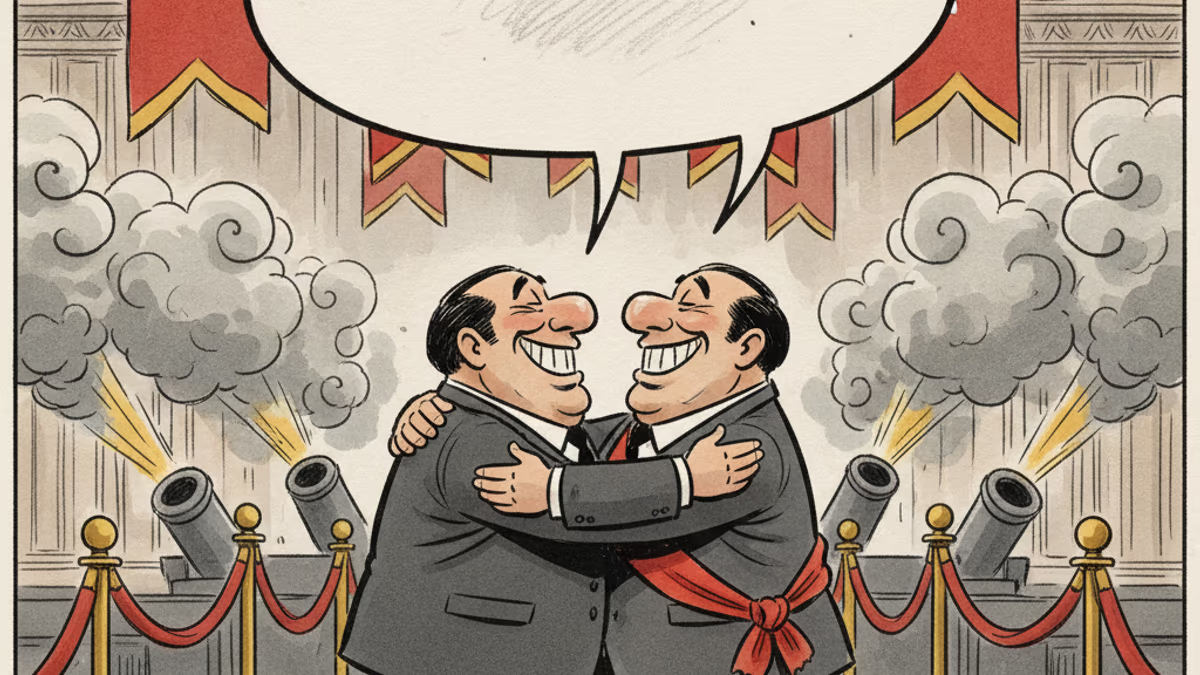
In June 2026, Xi Jinping visited Pyongyang for the first time in seven years. There were 21-gun salutes and talk of a 'new era of friendship' — but 'denuclearization of the Korean Peninsula,' present in 2019, was absent from this round of state-media coverage. A symbolic overreach, or a real upgrade?
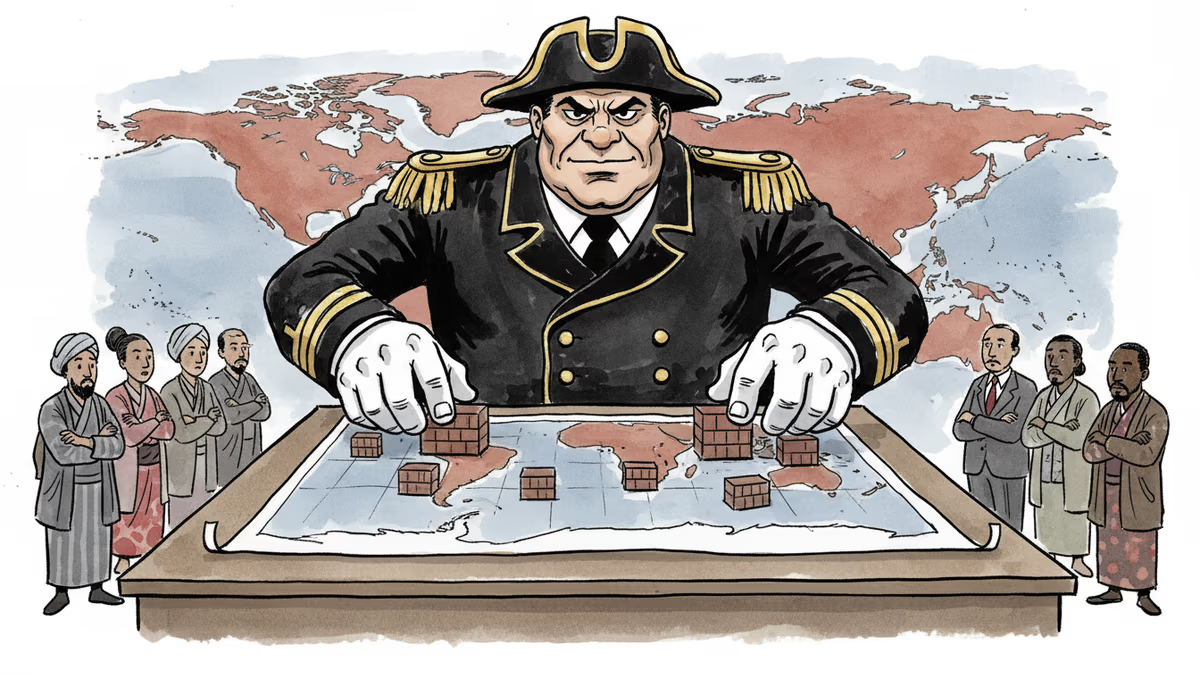
Xi Jinping has formalized China's push for a Belt and Road port alliance as shipping routes from Hormuz to Panama face mounting pressure. What does this mean for global trade architecture?
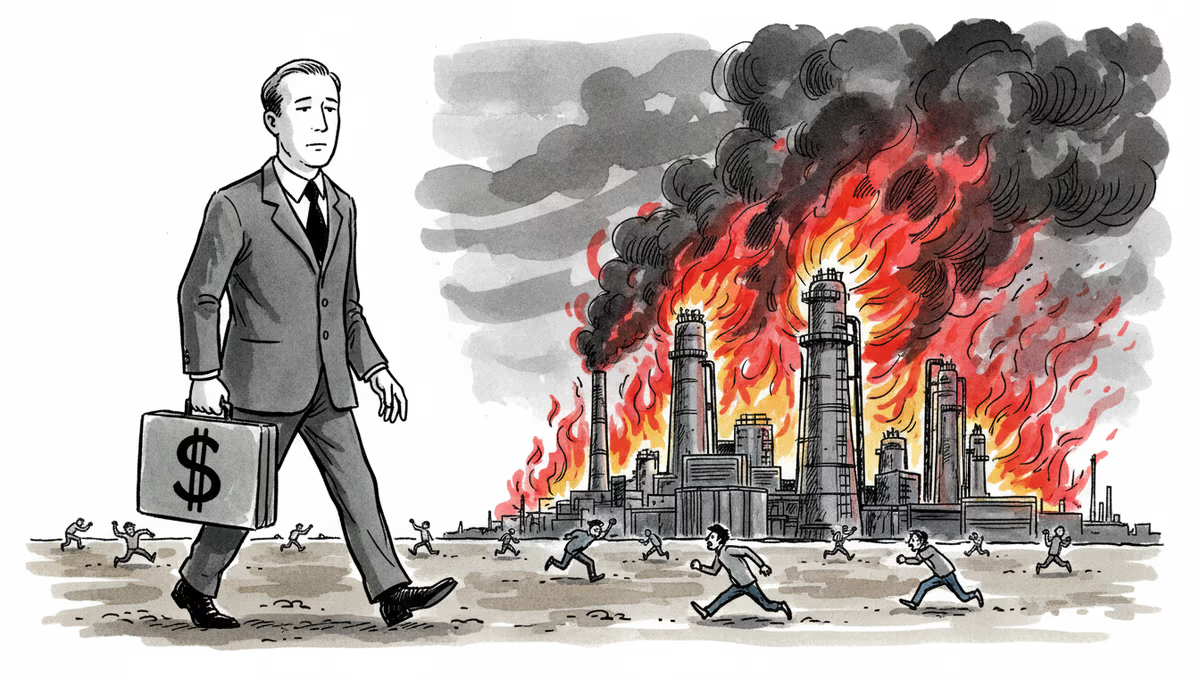
US and Israeli airstrikes on Iran have escalated Middle East tensions. Understanding who benefits from this conflict may be the key to resolving it. A PRISM analysis.
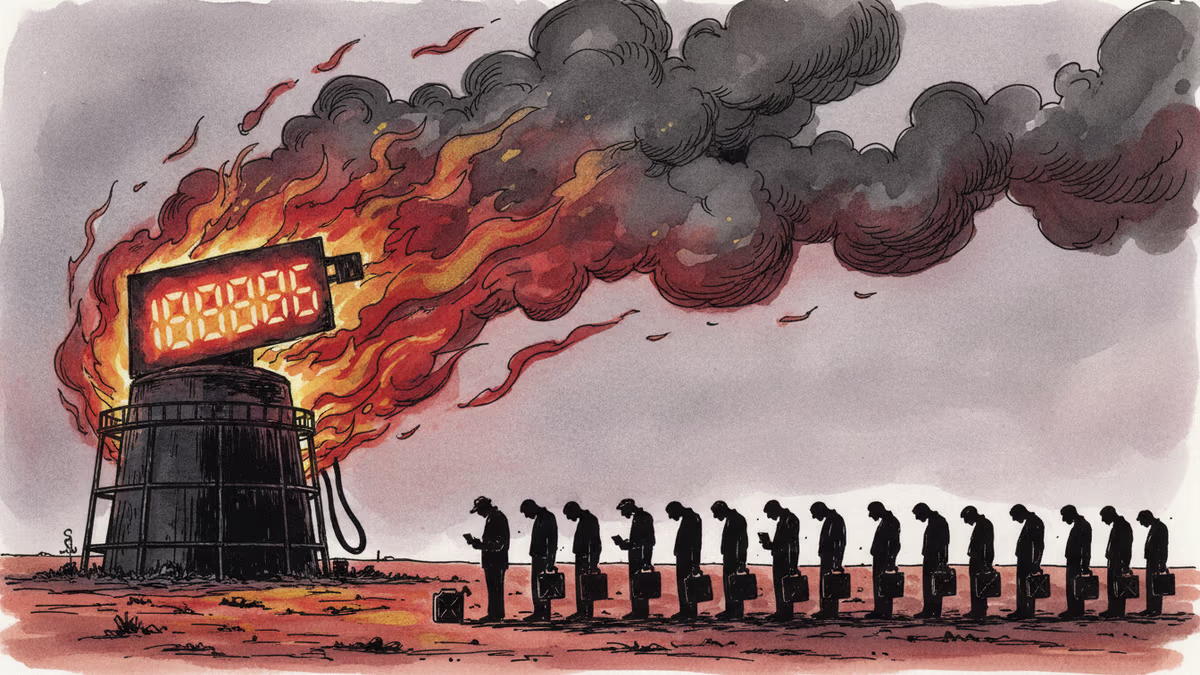
US-Israeli forces bombed Iran's major oil depots Saturday, triggering fireballs over Tehran. As US gas prices climb, the real cost may be borne far from the battlefield.
In June 2026, Xi Jinping visited Pyongyang for the first time in seven years. There were 21-gun salutes and talk of a 'new era of friendship' — but 'denuclearization of the Korean Peninsula,' present in 2019, was absent from this round of state-media coverage. A symbolic overreach, or a real upgrade?
Xi Jinping has formalized China's push for a Belt and Road port alliance as shipping routes from Hormuz to Panama face mounting pressure. What does this mean for global trade architecture?
US and Israeli airstrikes on Iran have escalated Middle East tensions. Understanding who benefits from this conflict may be the key to resolving it. A PRISM analysis.
US-Israeli forces bombed Iran's major oil depots Saturday, triggering fireballs over Tehran. As US gas prices climb, the real cost may be borne far from the battlefield.
Thoughts
Share your thoughts on this article
Sign in to join the conversation