

サプライチェーン防衛の新常識:日本政府、サイバーセキュリティ費用の分担を企業に要請へ
日本政府が、増大するサイバー攻撃に対応するため、サプライチェーン全体でセキュリティ費用を分担する新基準を計画。アサヒやアスクルの事例を受け、中小企業の防御力強化を目指す。
あなたの取引先は、本当に安全ですか? 日本政府は、増え続けるサイバー攻撃に対し、大企業だけでなくサプライチェーン全体で防衛コストを分担するよう企業に促す新方針を打ち出しました。これは、資金力に乏しい中小企業の防御力を底上げし、日本経済全体の安全網を強化する狙いがあります。
背景:狙われる「弱い輪」
近年、大企業を直接狙うのではなく、セキュリティ対策が手薄な取引先の中小企業を踏み台にするサプライチェーン攻撃が深刻化しています。ビール大手のアサヒグループホールディングスやオフィス通販のアスクルが受けた攻撃は、サプライチェーンの脆弱性が事業継続に直接的な打撃を与えることを浮き彫りにしました。多くの中小企業は、最新の防衛システムを導入・更新するための経済的余力がなく、サプライチェーン全体の「弱い輪」となってしまう現状がありました。
コスト転嫁から「価値の共有」へ
政府が計画しているのは、サイバーセキュリティ対策費用を製品やサービスの価格に適切に上乗せし、サプライチェーンの下流から上流へとコストを分散させる仕組みです。これにより、個々の企業の負担を軽減しつつ、チェーン全体のセキュリティレベルを向上させることを目指します。政府は、このための新たな基準を策定し、企業に導入を促す方針です。
This content is AI-generated based on source articles. While we strive for accuracy, errors may occur. We recommend verifying with the original source.
Related Articles

The Bank of Korea (BOK) has outlined its 2026 monetary policy, stating that any further interest rate cuts will depend on a careful assessment of inflation, growth, and financial stability.
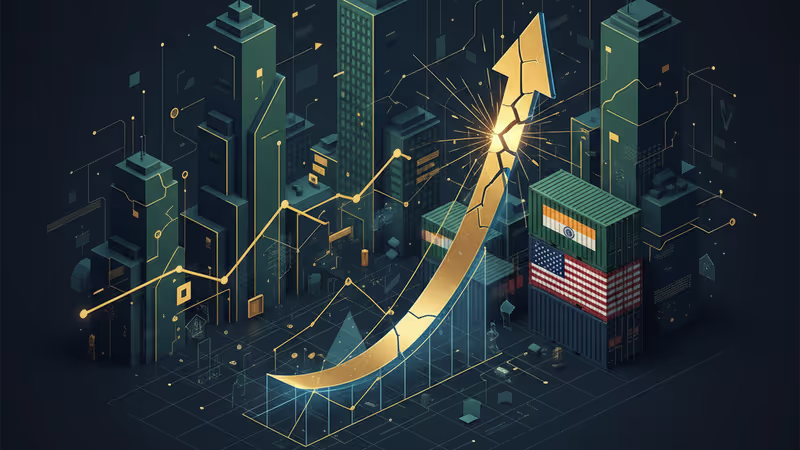
India's exports to the U.S. surged over 22% in November despite 50% tariffs. However, experts caution this may be a temporary 'sugar high' driven by a low base and frontloading ahead of new trade policies.

The developer of Japan's largest data center, GigaStream Toyama, proposes a US-style rapid build-out model to solve the country's severe AI infrastructure shortage.

Major investment banks have lifted South Korea's 2026 inflation forecast to 2.0%, citing the persistently weak won. With the currency nearing 1,500 per dollar, import costs are rising, posing a dilemma for the Bank of Korea.
The Bank of Korea (BOK) has outlined its 2026 monetary policy, stating that any further interest rate cuts will depend on a careful assessment of inflation, growth, and financial stability.
India's exports to the U.S. surged over 22% in November despite 50% tariffs. However, experts caution this may be a temporary 'sugar high' driven by a low base and frontloading ahead of new trade policies.
The developer of Japan's largest data center, GigaStream Toyama, proposes a US-style rapid build-out model to solve the country's severe AI infrastructure shortage.
Major investment banks have lifted South Korea's 2026 inflation forecast to 2.0%, citing the persistently weak won. With the currency nearing 1,500 per dollar, import costs are rising, posing a dilemma for the Bank of Korea.