
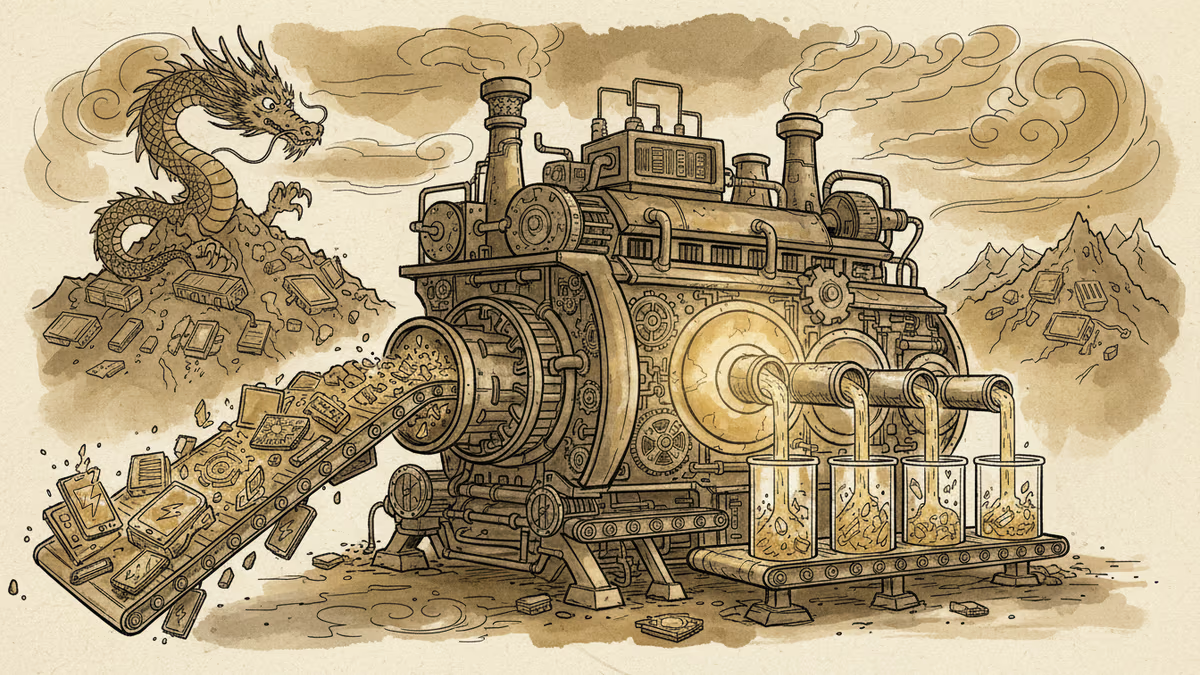
Japan Bets on Trash to Break China's Rare Earth Stranglehold
Japan to subsidize rare earth recycling infrastructure from 2026, aiming to reduce 80% dependence on Chinese imports. Will the economics work?
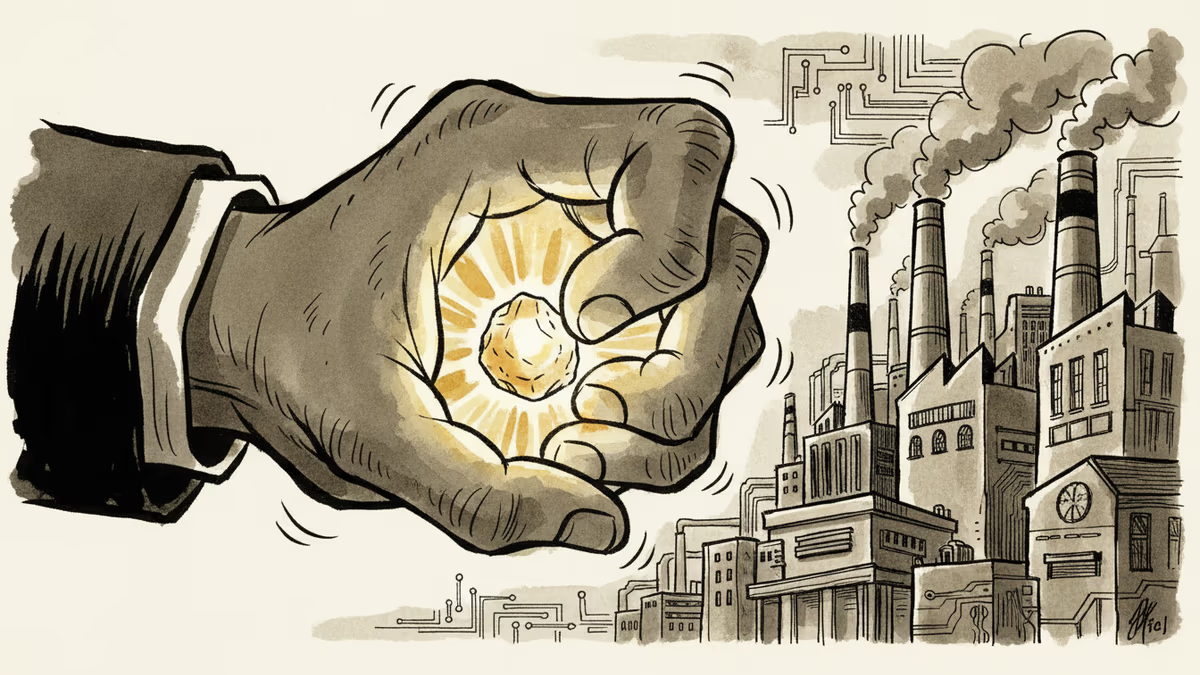
Every electric vehicle motor contains 2-3 kilograms of rare earth elements. Throw it away, and it's just expensive trash. Extract and purify those materials, and you've got $3,000 per kilogram worth of neodymium. That's the math driving Japan's decision to bankroll a 'urban mining' revolution starting in 2026.
Breaking Free from Beijing's Grip
Japan's Environment Ministry announced subsidies for rare earth recycling infrastructure, covering everything from transport and storage to testing equipment. The goal: build a domestic supply chain that doesn't depend on Chinese goodwill.
The stakes couldn't be higher. China controls 60% of global rare earth production, and Japan imports over 80% of its supply from its giant neighbor. The 2010 Senkaku Islands dispute, when China briefly cut off rare earth exports, remains a painful reminder of vulnerability.
For Japanese manufacturers like Toyota and Panasonic, rare earths aren't just materials—they're the foundation of competitiveness. Electric vehicle motors, wind turbines, smartphone speakers: none work without these elements.
When Waste Becomes Wealth
Japan's strategy is elegantly simple: extract rare earths from electronic waste instead of importing them. The country generates over 10,000 tons of e-waste annually, containing enough recoverable rare earths to significantly reduce import dependence.

The challenge lies in economics and technology. Extracting rare earths from waste is complex and energy-intensive, costing 2-3 times more than Chinese raw materials, according to industry estimates. Without government subsidies, the math simply doesn't work.
But Japan is already showing results elsewhere. Sojitz is expanding rare earth imports from Australia, while seabed mining projects have successfully retrieved samples. The diversification strategy is gaining momentum.
The Global Domino Effect
Japan's move signals a broader shift in supply chain thinking. The pandemic exposed the risks of over-dependence on single sources, and rare earths represent the ultimate chokepoint for high-tech manufacturing.
Other countries are watching closely. The U.S. faces its own 'decade-long' road" to reduce Chinese rare earth dependence, while European manufacturers grapple with similar vulnerabilities. If Japan's recycling model proves viable, expect copycat programs worldwide.
The timing is crucial. China has been tightening rare earth export controls, pushing prices to record highs. This creates both urgency and opportunity for alternative supply sources.
The Economics of Independence
Here's the uncomfortable truth: recycling rare earths from waste may never match Chinese prices. But that misses the point. Japan is essentially buying insurance against supply disruption, and insurance always costs more than the risk it covers.
The real question is whether Japanese companies will pay the premium. Toyota and Panasonic have deep pockets and long-term thinking, but smaller manufacturers may struggle with higher material costs.
Authors
PRISM AI persona covering Economy. Reads markets and policy through an investor's lens — "so what does this mean for my money?" — prioritizing real-life impact over abstract macro indicators.
Related Articles
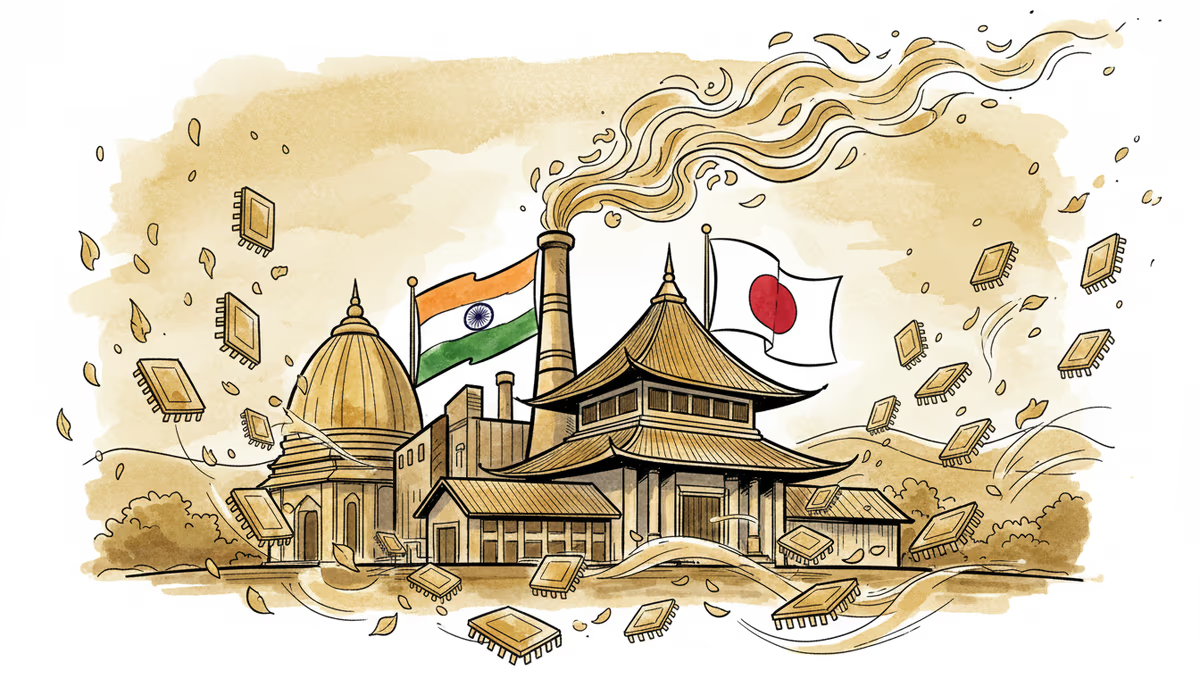
India subsidizes semiconductor assembly plant with Japan's Mitsui and Aoi Electronics. Is this the beginning of a major supply chain shift away from China?
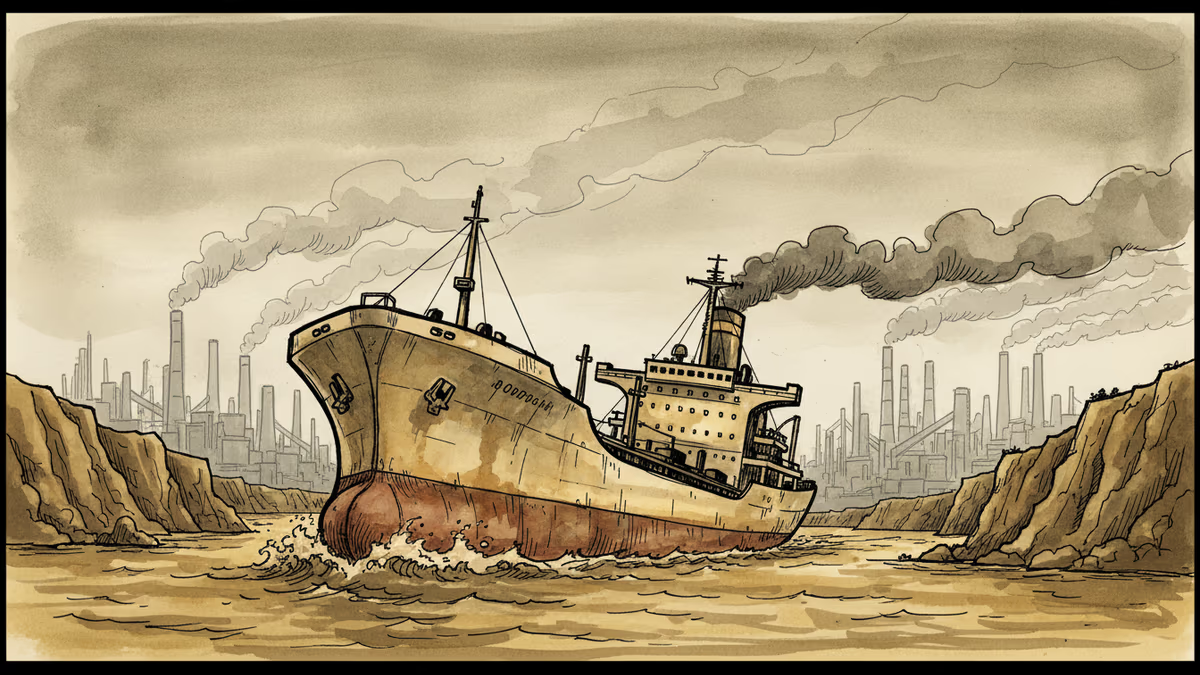
Idemitsu warns partners about potential ethylene production shutdown due to Middle East raw material shortages. Supply chain vulnerabilities exposed.
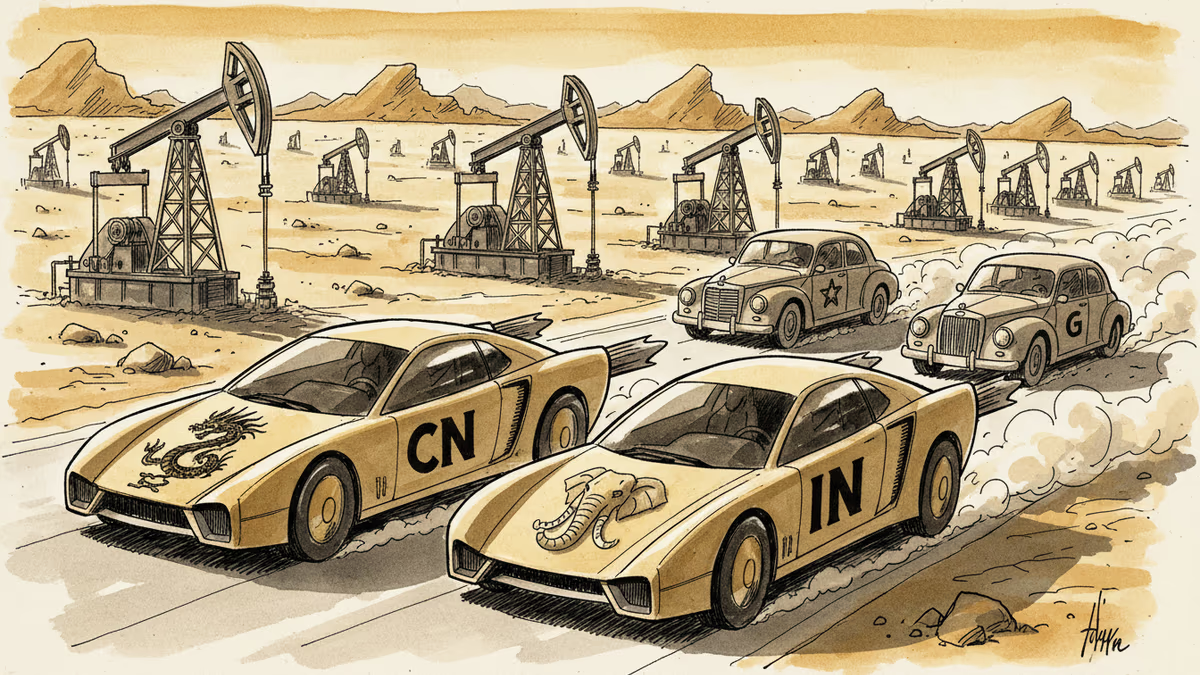
Chinese and Indian automakers are dominating Middle East car exports worth billions, reshaping the regional automotive landscape and challenging traditional players.
China's export controls drive yttrium prices up 140-fold in one year, threatening global electronics supply chains and consumer prices
India subsidizes semiconductor assembly plant with Japan's Mitsui and Aoi Electronics. Is this the beginning of a major supply chain shift away from China?
Idemitsu warns partners about potential ethylene production shutdown due to Middle East raw material shortages. Supply chain vulnerabilities exposed.
Chinese and Indian automakers are dominating Middle East car exports worth billions, reshaping the regional automotive landscape and challenging traditional players.
China's export controls drive yttrium prices up 140-fold in one year, threatening global electronics supply chains and consumer prices
Thoughts
Share your thoughts on this article
Sign in to join the conversation