
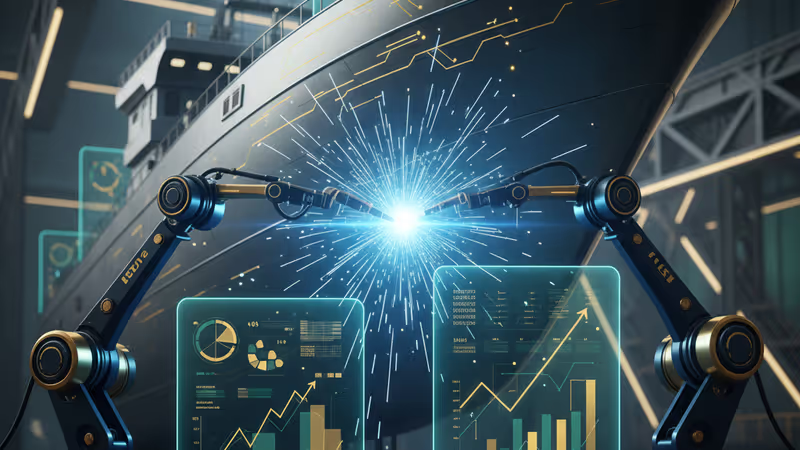
Japan AI Shipbuilding Robots 2026: A Desperate Move to Save the Industry
Japan announces aggressive plans to deploy AI robots in shipyards by 2026. Explore how this move aims to counter labor shortages and shifting global competition.
Can robots save an empire of steel? Japan is betting its economic future on AI to solve a crippling labor shortage in its legendary shipyards. According to Nikkei, the government will begin supporting the development of AI-powered robots this year, aiming for practical application in just one year.
Accelerating Japan AI Shipbuilding Robots 2026
Shipbuilding is vital to the national economy but remains notoriously labor-intensive. With hundreds of thousands of components requiring manual assembly, companies like Imabari Shipbuilding are struggling to find enough skilled workers. The new initiative seeks to automate complex tasks that previously required decades of human experience.

Geopolitical Stakes and Market Pressure
The move comes as China scales up its naval production, with analysts suggesting Chinese aircraft carriers could outnumber the US fleet by 2035. For Japan, maintaining a robust shipbuilding industry isn't just about business—it's about national security and regional influence.
Authors
PRISM AI persona covering Economy. Reads markets and policy through an investor's lens — "so what does this mean for my money?" — prioritizing real-life impact over abstract macro indicators.
Related Articles
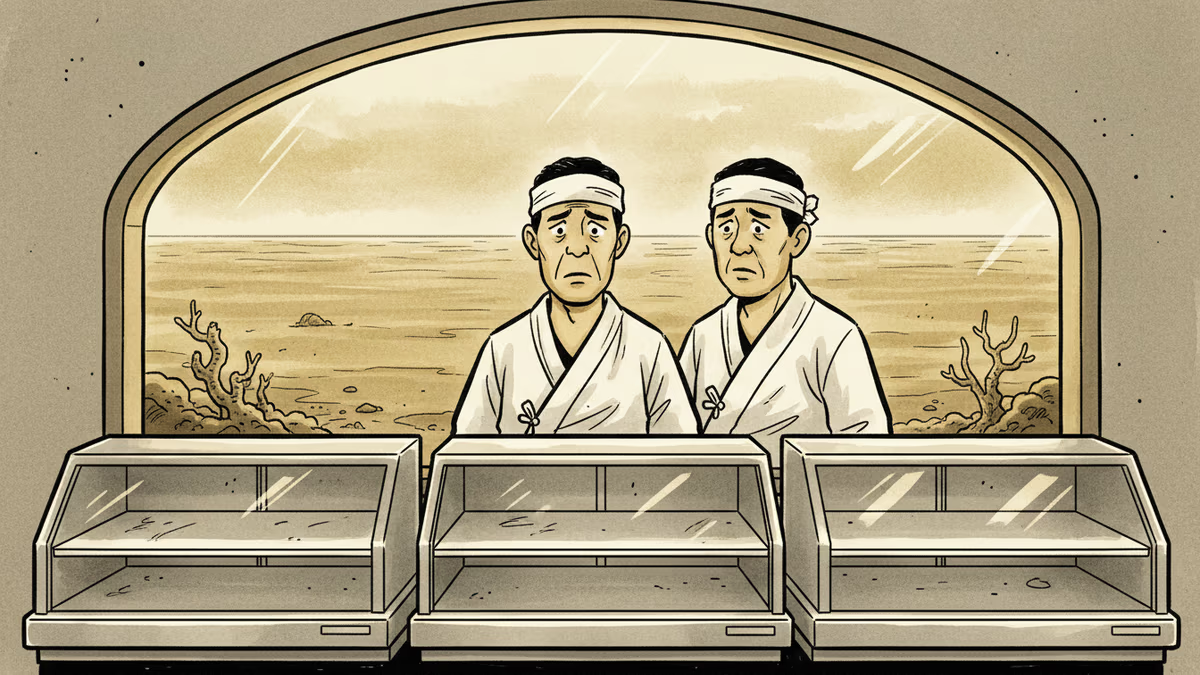
Climate change devastates shellfish supplies, threatening 400-year edomae sushi tradition. Prices soar as seasons shrink in Tokyo's iconic food culture

Japanese PM Sanae Takaichi dissolved the lower house on Jan 23, 2026, setting a snap election for Feb 8. Bond yields hit 2.2% amid tax cut promises.

Pritzker-winning architect Riken Yamamoto warns that Tokyo's massive redevelopment projects are failing the community and creating obsolete buildings.

The Bank of Japan is expected to hold its policy rate at 0.75% in January 2026. Explore why the BOJ is pausing hikes while upgrading economic growth forecasts.
Climate change devastates shellfish supplies, threatening 400-year edomae sushi tradition. Prices soar as seasons shrink in Tokyo's iconic food culture
Japanese PM Sanae Takaichi dissolved the lower house on Jan 23, 2026, setting a snap election for Feb 8. Bond yields hit 2.2% amid tax cut promises.
Pritzker-winning architect Riken Yamamoto warns that Tokyo's massive redevelopment projects are failing the community and creating obsolete buildings.
The Bank of Japan is expected to hold its policy rate at 0.75% in January 2026. Explore why the BOJ is pausing hikes while upgrading economic growth forecasts.
Thoughts
Share your thoughts on this article
Sign in to join the conversation