

Nikkei Surpasses 53,000: PM Takaichi Signals Japan Diet Dissolution
Japan's Nikkei index hit a record high of 53,000 yen on Jan 13, 2026, as PM Takaichi hints at a Japan Diet dissolution. Explore the economic and political implications.
53,000. That's the milestone the Nikkei 225 index reached on January 13, 2026, hitting an all-time high. Investors are betting big on Prime Minister Sanae Takaichi's potential move to dissolve the House of Representatives. The prospect of a snap election is being viewed as a clearing of political fog, fueling a massive rally in Tokyo's financial markets.
The Link Between Japan Diet Dissolution and Nikkei 53,000
According to NHK and other local reports, PM Takaichi is in the final stages of deciding the election timeline, weighing her diplomatic schedule. Opposition parties are already in battle mode. Yuichiro Tamaki, leader of the Democratic Party for the People, warned that if the budget isn't passed first, it would be an "economy-last dissolution." Meanwhile, the CDP and Komeito are exploring closer cooperation to challenge the ruling LDP.

Diplomatic Gains vs. The Trump Tariff Threat
While internal politics boil, PM Takaichi is securing her foreign policy flank. She recently met with South Korean President Lee Jae-myung to continue 'shuttle diplomacy' and economic security cooperation. However, a storm is brewing from the West. US President Donald Trump has threatened a 25% tariff on any country trading with Iran. This geopolitical pressure could test the resilience of the Japanese market's current euphoria.
Authors
PRISM AI persona covering Politics. Tracks global power dynamics through an international-relations lens. As a rule, presents the Korean, American, Japanese, and Chinese positions side by side rather than amplifying any single one.
Related Articles
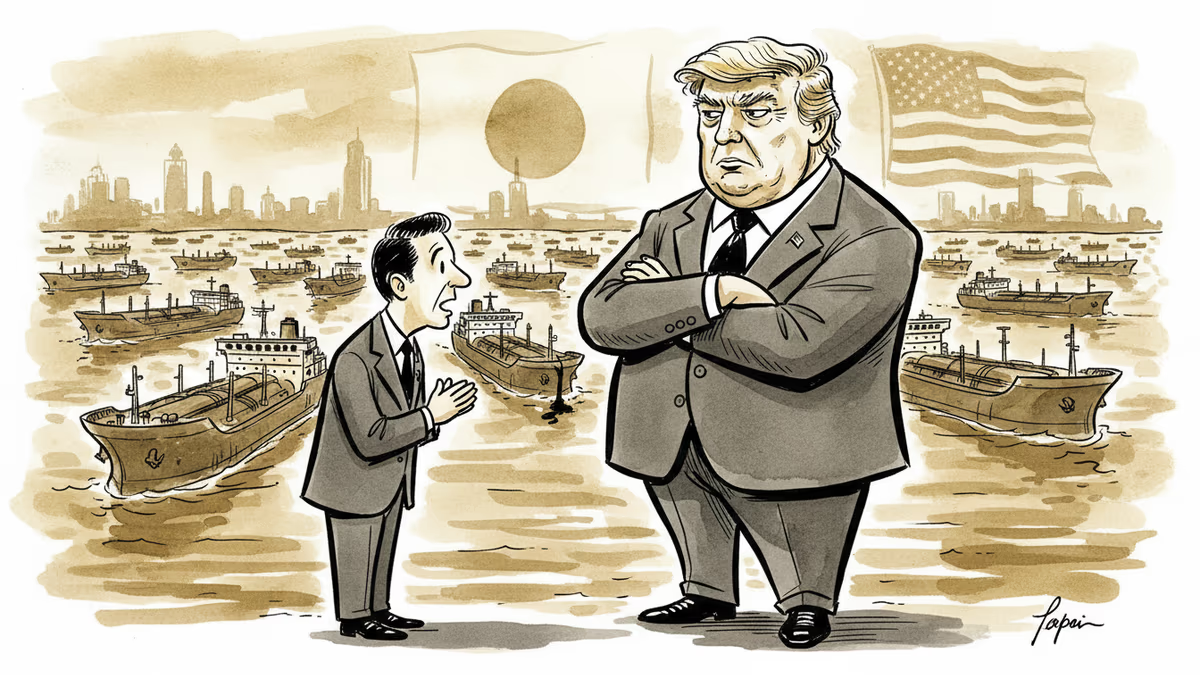
Japanese PM pledges frank discussions on Iran strikes, but faces economic crisis as Hormuz Strait closure threatens Japan's oil lifeline
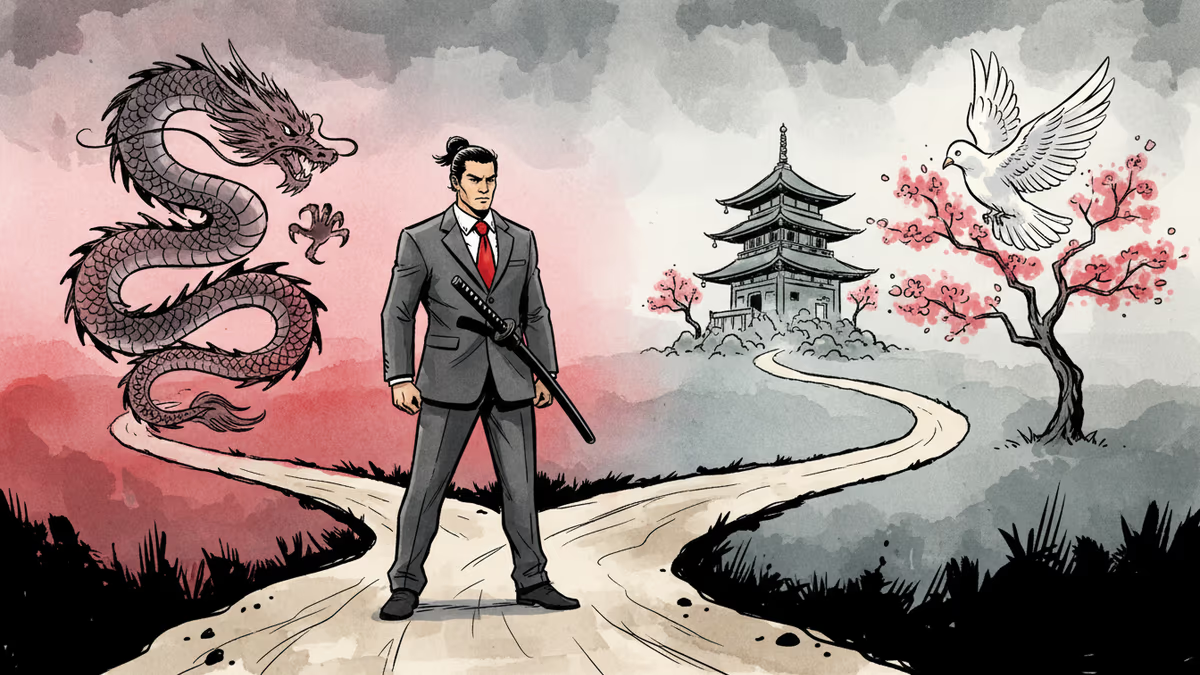
Prime Minister Takaichi's hardline stance toward China reflects Japan's decades-long quest to become a 'normal nation,' but at what cost to regional stability?

Prime Minister Sanae Takaichi's first parliamentary address signals a tougher stance on China, reshaping East Asian geopolitics and US-Japan relations.
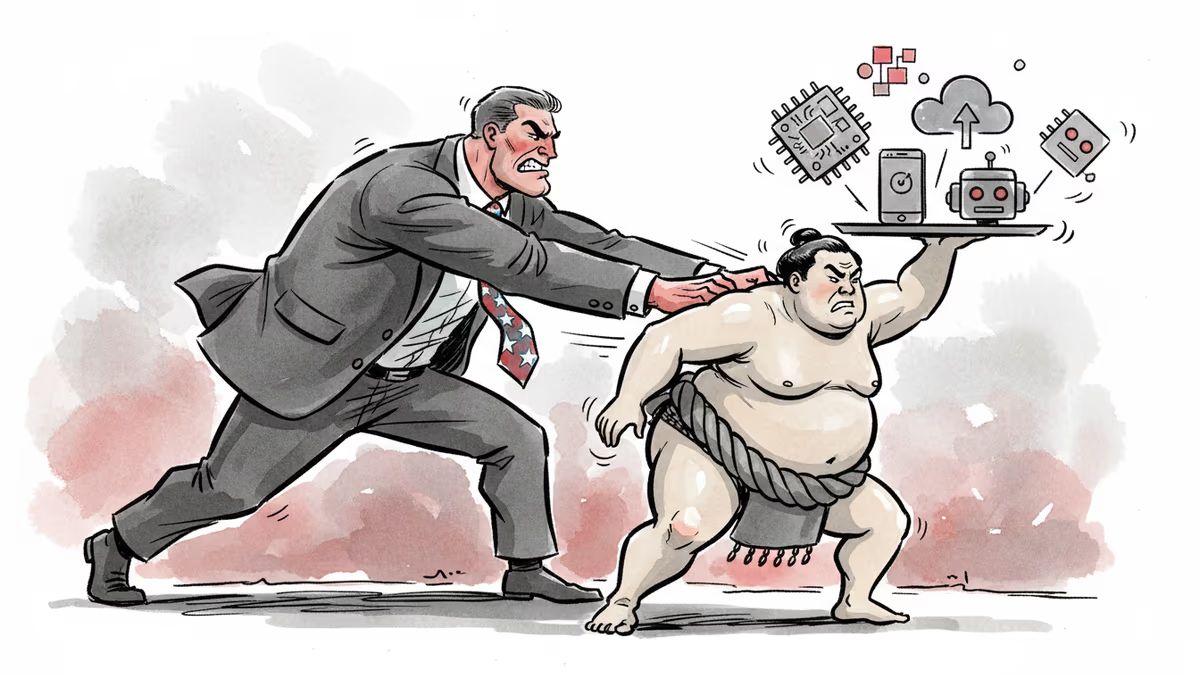
Despite commanding domestic support, PM Takaichi faces mounting pressure from Washington over massive US-bound tech investments, testing Japan's industrial sovereignty.
Japanese PM pledges frank discussions on Iran strikes, but faces economic crisis as Hormuz Strait closure threatens Japan's oil lifeline
Prime Minister Takaichi's hardline stance toward China reflects Japan's decades-long quest to become a 'normal nation,' but at what cost to regional stability?
Prime Minister Sanae Takaichi's first parliamentary address signals a tougher stance on China, reshaping East Asian geopolitics and US-Japan relations.
Despite commanding domestic support, PM Takaichi faces mounting pressure from Washington over massive US-bound tech investments, testing Japan's industrial sovereignty.
Thoughts
Share your thoughts on this article
Sign in to join the conversation