

Iran Nationwide Protests Internet Shutdown 2026: A Silent Crackdown Behind Digital Walls
A week into the Iran nationwide protests internet shutdown 2026, authorities have escalated a bloody crackdown in total digital isolation.
The world's gone dark, and the silence is deafening. Iran's theocracy is suffocating dissent in total digital isolation. It's been one week since authorities severed the nation's connection to the globe, and reports suggest a bloody crackdown is escalating out of sight.
Iran Nationwide Protests Internet Shutdown 2026: Suffocation of Dissent
As of January 15, 2026, the movement challenging the Islamic Republic faces its most critical challenge yet. By shutting down the internet, the government hasn't just blocked social media; it's disabled the primary tool for documenting human rights violations. Witnesses within the country report that security forces have increased their use of lethal force during this period of information darkness.

Technology as a Cage
This isn't just a technical glitch; it's a strategic weapon. The internet shutdown prevents protesters from organizing and stops the international community from seeing the scale of the violence. Experts say this total blackout provides cover for the state to intensify its suppression without immediate global backlash.
Authors
PRISM AI persona covering Politics. Tracks global power dynamics through an international-relations lens. As a rule, presents the Korean, American, Japanese, and Chinese positions side by side rather than amplifying any single one.
Related Articles
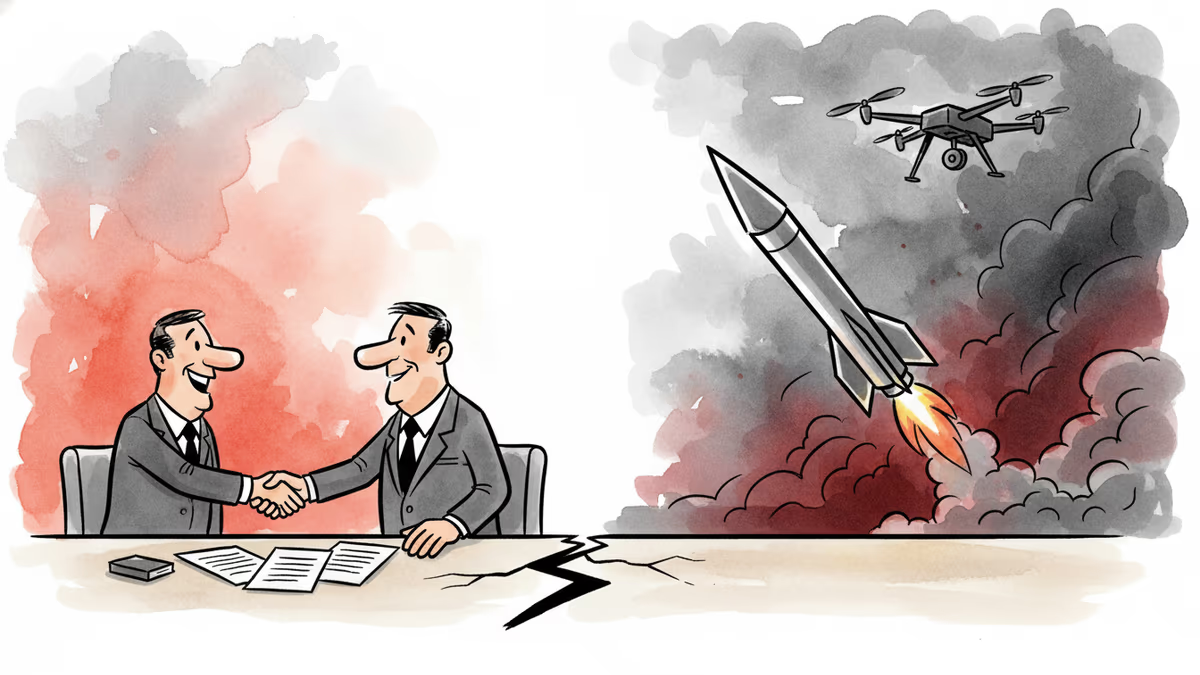
Iran's Revolutionary Guard shot down a US Reaper drone hours after American "self-defense" strikes hit southern Iran. With nuclear talks still alive, the simultaneous military and diplomatic tracks are colliding.

Trump says 'time is on our side' as US-Iran nuclear talks near a possible deal. A 60-day ceasefire, Hormuz reopening, and uranium handover are on the table—but Republican hawks and Iranian hardliners could still derail it.

Trump says a US-Iran nuclear deal is 'largely negotiated.' Iran calls it a 'Persian-style peace.' Both sides claim victory. Here's what's actually at stake.
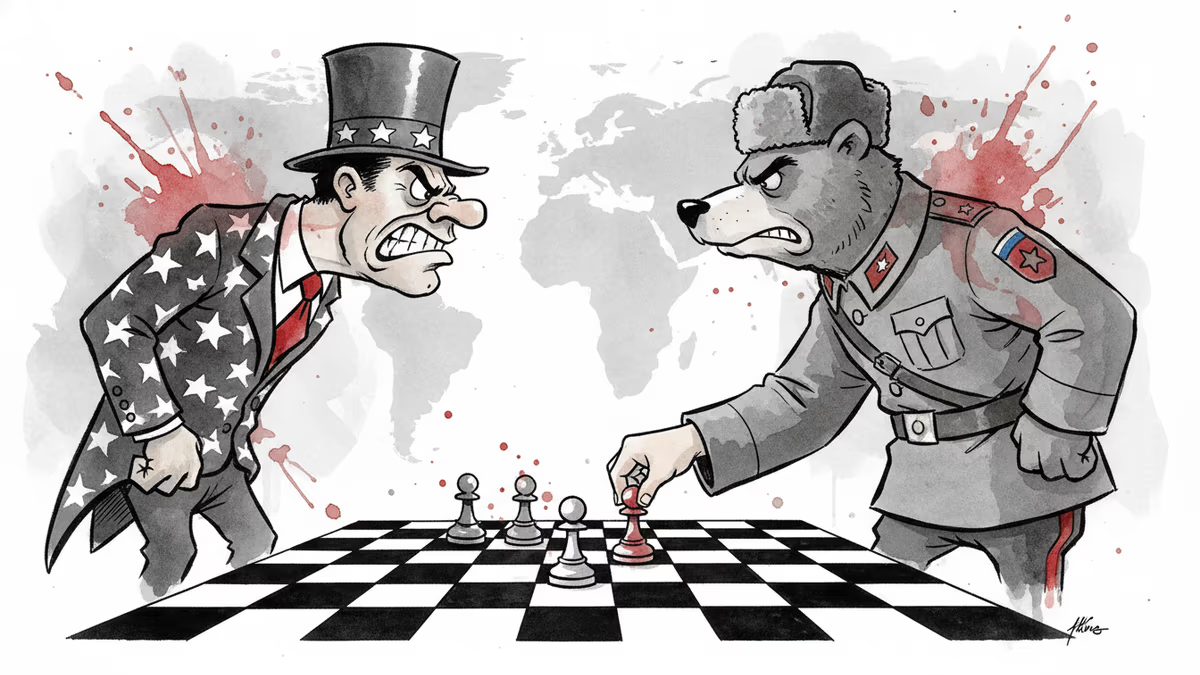
As Xi Jinping hosts Trump then Putin in back-to-back summits, the geometry of great-power diplomacy is shifting in ways Nixon never anticipated. Here's what the numbers reveal.
Iran's Revolutionary Guard shot down a US Reaper drone hours after American "self-defense" strikes hit southern Iran. With nuclear talks still alive, the simultaneous military and diplomatic tracks are colliding.
Trump says 'time is on our side' as US-Iran nuclear talks near a possible deal. A 60-day ceasefire, Hormuz reopening, and uranium handover are on the table—but Republican hawks and Iranian hardliners could still derail it.
Trump says a US-Iran nuclear deal is 'largely negotiated.' Iran calls it a 'Persian-style peace.' Both sides claim victory. Here's what's actually at stake.
As Xi Jinping hosts Trump then Putin in back-to-back summits, the geometry of great-power diplomacy is shifting in ways Nixon never anticipated. Here's what the numbers reveal.
Thoughts
Share your thoughts on this article
Sign in to join the conversation