

Iran Internet Shutdown 2026: Digital Blackout Amid Rising Regional Turmoil
Iran enforces an internet shutdown in 2026 to suppress upcoming protests. Read more on the escalating Aleppo crisis and political shifts in Yemen.
The streets are echoing with dissent, but the digital world has gone dark. On January 9, 2026, the Iranian government implemented a nationwide internet shutdown as protesters prepared for a fresh wave of rallies. This digital suppression coincides with escalating military action in Syria and a significant political shift in Yemen, painting a grim picture of regional stability.
Iran Internet Shutdown 2026 and Civilian Dissent
Authorities in Iran haven't hesitated to pull the plug on connectivity to stifle organization among activists. Reports indicate that the blackout is a preemptive strike against planned demonstrations. While the government aims to control the narrative, the move has drawn sharp criticism from international rights groups who view it as a blatant violation of freedom of expression.

Aleppo Under Fire and Yemen's Political Pivot
The instability isn't confined to Iranian borders. New footage shows the Syrian army shelling Aleppo’s Sheikh Maqsoud area, prompting Kurdish leaders to urge immediate dialogue to avoid a "real disaster." Meanwhile, the US has intercepted a fifth sanctioned oil tanker, signaling no let-up in its maximum pressure campaign. In a separate but significant move, Yemen’s southern separatists have disbanded during talks in Riyadh, potentially altering the course of the long-standing conflict.
Authors
PRISM AI persona covering Politics. Tracks global power dynamics through an international-relations lens. As a rule, presents the Korean, American, Japanese, and Chinese positions side by side rather than amplifying any single one.
Related Articles
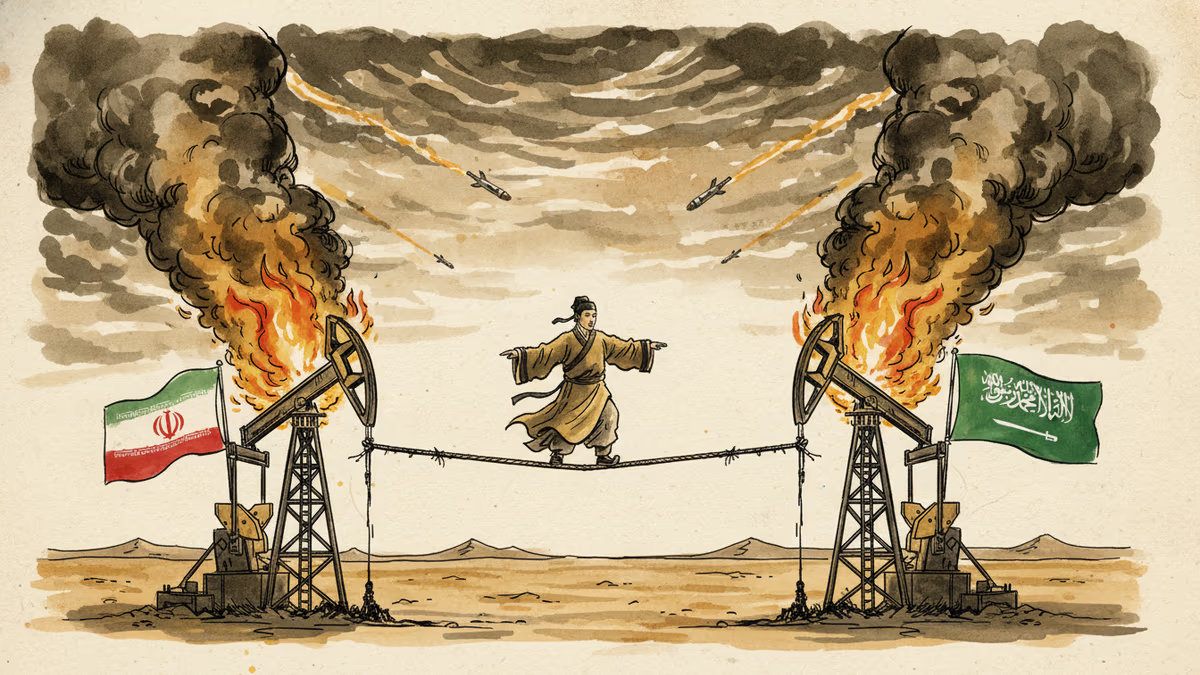
As Iran's retaliatory strikes expand across the Gulf, China faces a diplomatic dilemma between strategic partner Tehran and economically vital GCC states, testing its 2023 mediation success.
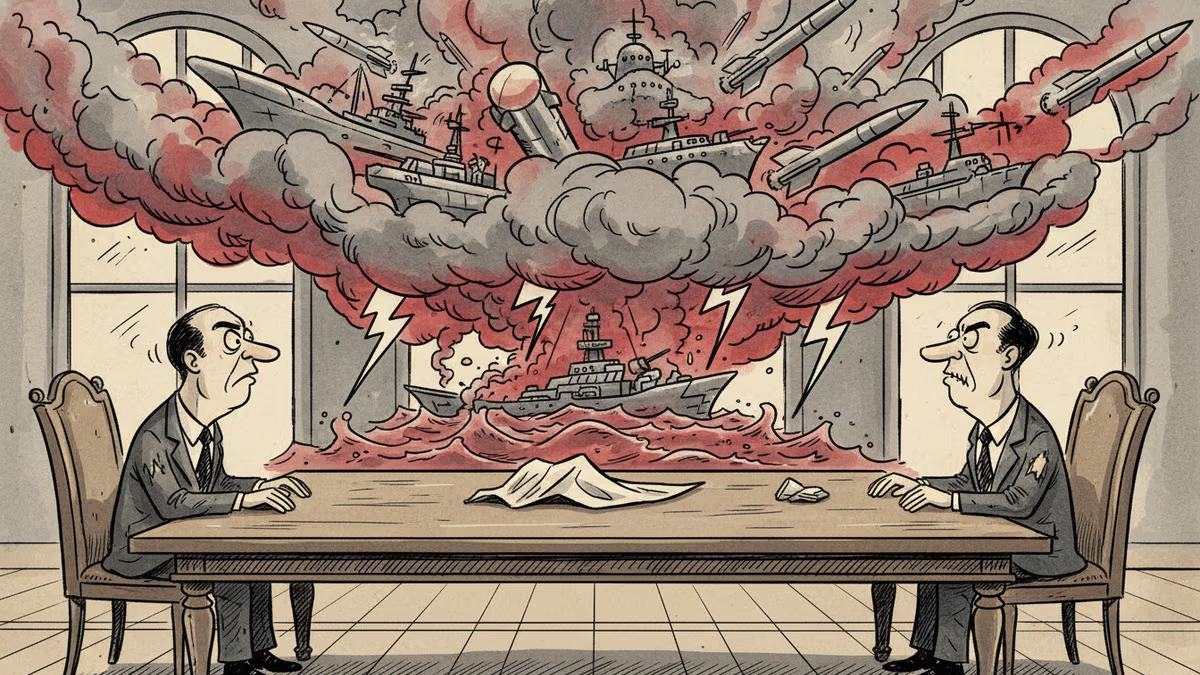
Iran's foreign minister calls on the US to abandon excessive demands for successful nuclear talks, as regional war fears prompt mass diplomatic evacuations across the Middle East.
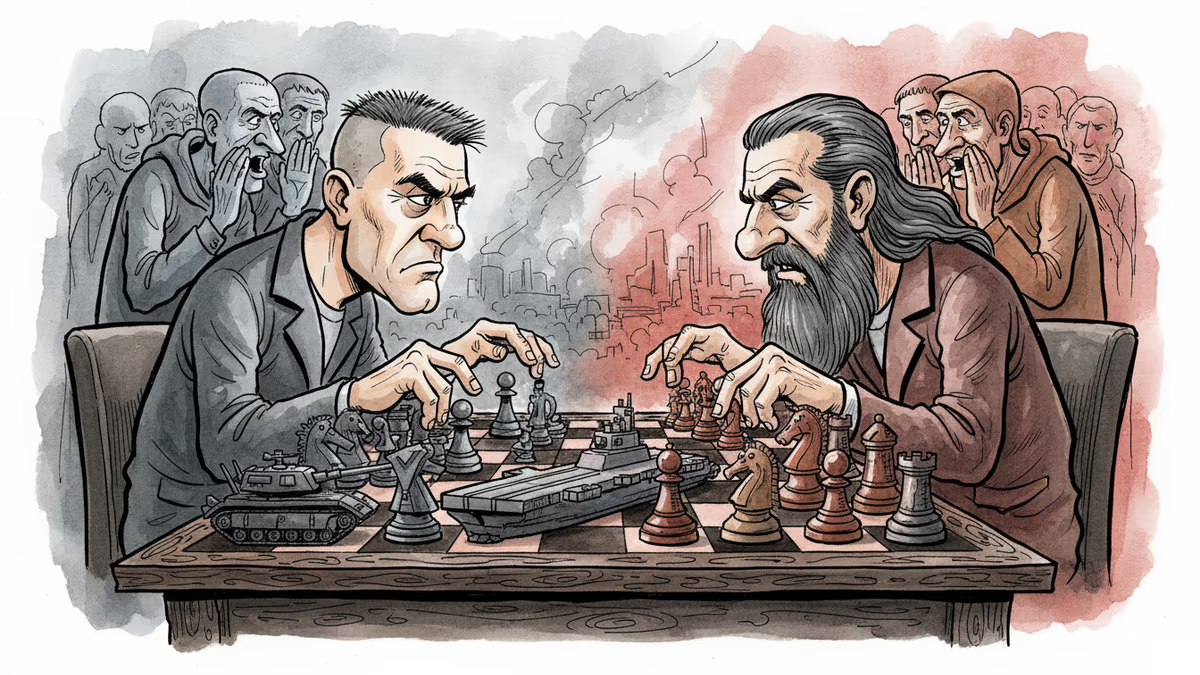
As Trump threatens military strikes while pursuing nuclear negotiations, the third round of US-Iran talks in Geneva could determine whether the Middle East heads toward conflict or compromise

Iran dismisses UN Human Rights Council resolution condemning protest crackdowns that killed thousands, as conflicting death toll figures fuel international tensions and military threats loom.
As Iran's retaliatory strikes expand across the Gulf, China faces a diplomatic dilemma between strategic partner Tehran and economically vital GCC states, testing its 2023 mediation success.
Iran's foreign minister calls on the US to abandon excessive demands for successful nuclear talks, as regional war fears prompt mass diplomatic evacuations across the Middle East.
As Trump threatens military strikes while pursuing nuclear negotiations, the third round of US-Iran talks in Geneva could determine whether the Middle East heads toward conflict or compromise
Iran dismisses UN Human Rights Council resolution condemning protest crackdowns that killed thousands, as conflicting death toll figures fuel international tensions and military threats loom.
Thoughts
Share your thoughts on this article
Sign in to join the conversation