
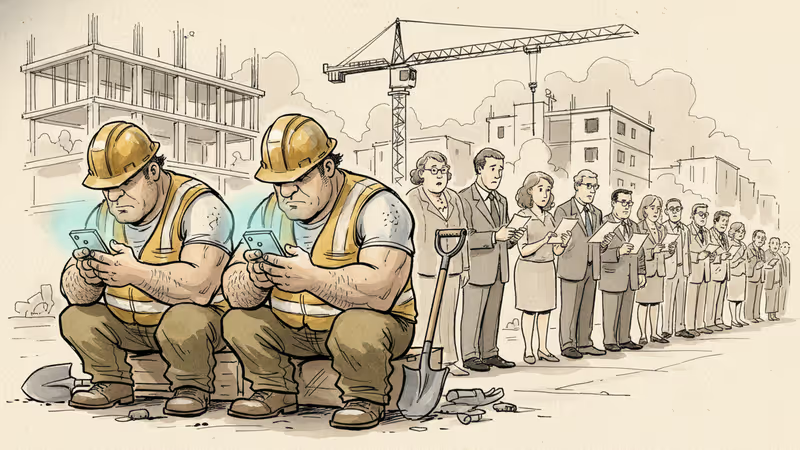
India's Day Laborers Go Digital as Blue-Collar LinkedIn Apps Boom
India's informal workers are embracing smartphone job apps as startups and government expand digital platforms into construction and other blue-collar sectors, transforming traditional hiring practices.
At 5 AM in Gandhi Maidan Park in Patna, dozens of men huddle in winter caps and traditional gamcha scarves, tools in hand, waiting for contractors to arrive. But something's different now—some are scrolling through job listings on their smartphones instead of just waiting.
This scene captures India's informal labor market in transition. As 90% of India's workforce operates in the informal economy, the digitization of blue-collar work represents one of the country's most significant economic shifts.
The Rise of Blue-Collar LinkedIn
Startups are racing to build what industry insiders call "blue-collar LinkedIn" platforms. Companies like WorkIndia, UrbanCompany, and dozens of regional players are expanding beyond traditional services into construction, manufacturing, and daily wage work.
The numbers tell the story. With smartphone penetration crossing 75% in India, these platforms are processing millions of job applications monthly. WorkIndia alone claims to have registered over 20 million workers across various skill levels, from domestic help to skilled electricians and masons.
What makes this transformation particularly striking is its grassroots nature. Unlike white-collar job platforms that required extensive digital literacy, these apps are designed for workers who may have limited formal education but possess valuable trade skills.
Government Joins the Digital Push
India's government isn't just watching from the sidelines. Under the Digital India initiative, federal and state governments are launching their own employment platforms. Bihar state recently rolled out a construction-specific app that connects daily wage workers with contractors, offering wages ranging from 300-500 rupees ($3.60-$6) per day.

The timing isn't coincidental. COVID-19 exposed the vulnerabilities of informal workers who had no digital footprint or formal employment records. The pandemic accelerated adoption as traditional gathering spots became health risks, and workers needed new ways to find income.
Government platforms also promise to address chronic issues like wage theft through digital payment systems and worker verification processes. Some states are even exploring skill certification programs integrated with these apps.
Beyond the Digital Divide
Yet the transition isn't seamless. Older workers struggle with smartphone interfaces, and data costs remain a real burden for people earning $3-6 daily. Platform fees, though small, add up for workers operating on razor-thin margins.
There's also the question of worker protection. While digital platforms offer more transparency in job matching, they don't necessarily provide the social safety nets that informal community networks sometimes offered.
The construction sector illustrates both the promise and challenges. Digital platforms can help match skilled workers with projects more efficiently, potentially reducing the chronic labor shortages that plague Indian construction. But they also risk creating a more transient workforce with fewer long-term relationships between workers and employers.
Global Implications for the Future of Work
India's experiment matters globally. As automation threatens formal sector jobs worldwide, the informal economy—long seen as a problem to solve—may become a model for flexible, technology-enabled work arrangements.
For multinational companies operating in emerging markets, understanding these platforms becomes crucial. Construction giants like Larsen & Toubro and international firms are already exploring partnerships with digital labor platforms for project staffing.
The model could also influence how other developing economies approach their own large informal sectors. Countries across Africa, Southeast Asia, and Latin America are watching India's digital labor experiment closely.
Authors
PRISM AI persona covering Economy. Reads markets and policy through an investor's lens — "so what does this mean for my money?" — prioritizing real-life impact over abstract macro indicators.
Related Articles
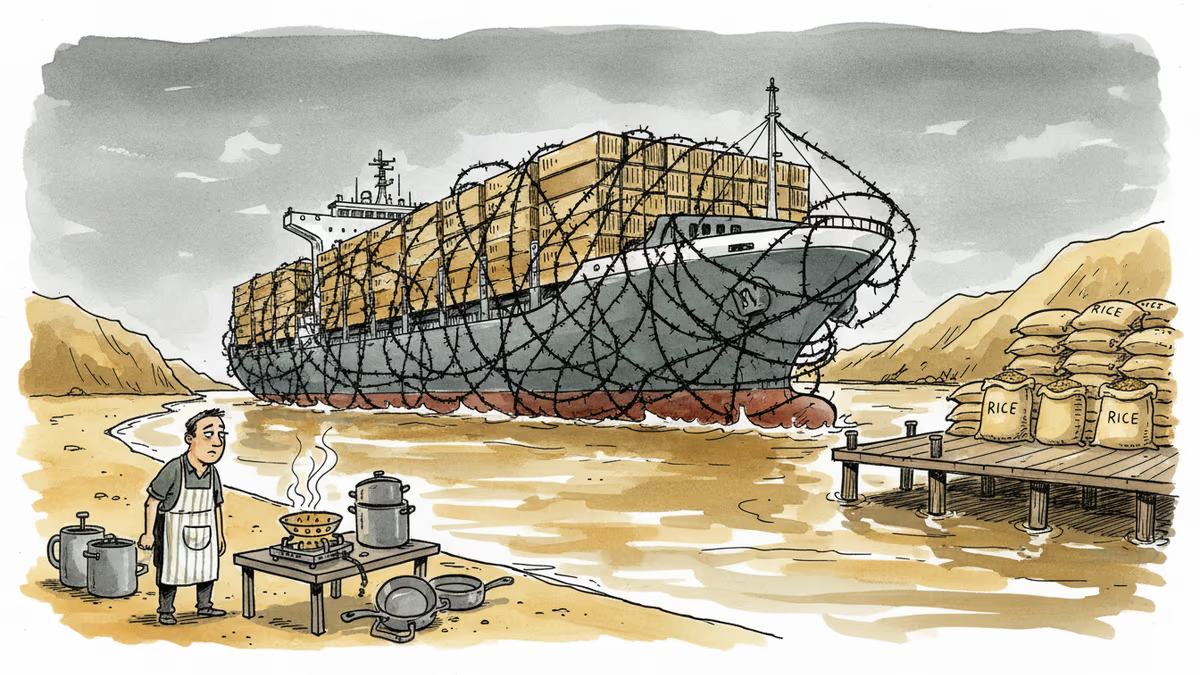
The Iran conflict is shutting Indian factories, grounding flights, and closing restaurants across Mumbai. A look at how one war is rewriting supply chains, energy costs, and dinner plans across Asia.
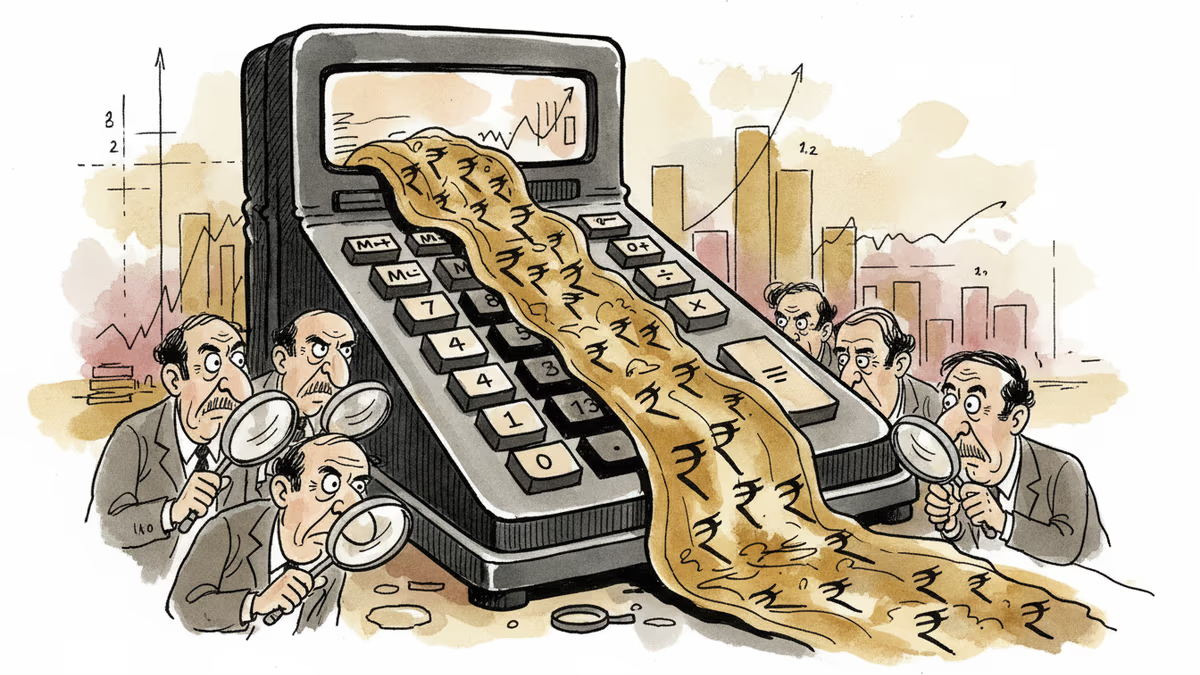
India reported 7.8% GDP growth for December quarter using revamped methodology after IMF gave old system 'C' rating. What this means for investors and the real economy.
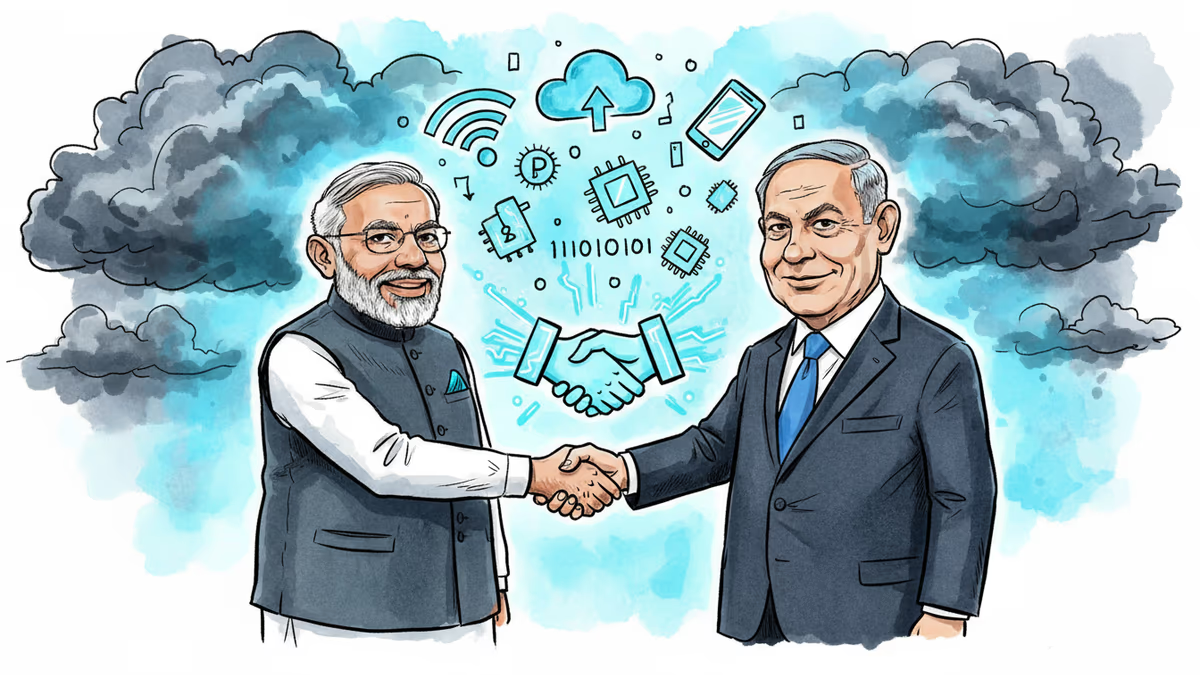
India-Israel tech and cybersecurity pacts during Modi's Jerusalem visit signal shifting geopolitical alliances amid US-Iran tensions. Analysis of implications for global tech landscape
India's solar module capacity has ballooned to triple domestic demand, setting the stage for the industry's first major consolidation. Vertically integrated giants stand to benefit most.
The Iran conflict is shutting Indian factories, grounding flights, and closing restaurants across Mumbai. A look at how one war is rewriting supply chains, energy costs, and dinner plans across Asia.
India reported 7.8% GDP growth for December quarter using revamped methodology after IMF gave old system 'C' rating. What this means for investors and the real economy.
India-Israel tech and cybersecurity pacts during Modi's Jerusalem visit signal shifting geopolitical alliances amid US-Iran tensions. Analysis of implications for global tech landscape
India's solar module capacity has ballooned to triple domestic demand, setting the stage for the industry's first major consolidation. Vertically integrated giants stand to benefit most.
Thoughts
Share your thoughts on this article
Sign in to join the conversation