

Forced AI on LG Smart TVs: The Unseen Battle for Your Living Room
LG's unremovable Microsoft Copilot feature on smart TVs sparks debate over user control, AI monetization, and the future of connected devices. PRISM analyzes the strategic implications.
The Lede: When 'Smart' Becomes 'Mandatory'
A seemingly minor software update on LG smart TVs has ignited a significant debate, adding an unremovable Microsoft Copilot button. This isn't merely a UI tweak; it’s a strategic maneuver revealing the escalating fight for digital real estate and AI dominance, impacting everything from user trust to future monetization models for hardware OEMs. For executives tracking the convergence of AI, hardware, and advertising, this incident is a critical signal of a shifting landscape.
Why It Matters: The Shifting Sands of Device Ownership
This incident transcends a simple UI complaint. It underscores several critical shifts:
- Erosion of User Agency: Smart devices, once purchased, are increasingly subject to post-sale modifications dictated by manufacturers and their partners. The "ownership" model is morphing into a perpetual lease, where core functionalities can be altered or new, uninvited features added.
- New Monetization Front: With diminishing margins on hardware, manufacturers are desperate for recurring revenue. Selling prime screen real estate, even if it means alienating users, becomes a tempting, albeit risky, proposition. Smart TVs are fast becoming the next frontier for "attention monetization."
- AI Adoption Metrics under Scrutiny: Microsoft's aggressive push for Copilot adoption is understandable in the AI race. However, 'forced' integrations risk devaluing reported usage numbers and sparking questions about the true, organic demand for these AI features.
- Precedent Setting: What starts on a smart TV can extend to other smart home devices. Today, an AI button; tomorrow, embedded ads or partner services that cannot be disabled? This sets a dangerous precedent for future software updates across the IoT ecosystem.
The Analysis: A Familiar Playbook in a New Arena

The bundling of unwanted software is a tale as old as computing itself. From the browser wars of the 90s to carrier bloatware on smartphones, tech giants have consistently leveraged platform control to push their ecosystems. What's new here is the battleground: the living room, a space historically more about entertainment than productivity or platform contention.
Microsoft's AI Ambition Meets LG's Revenue Imperative
Microsoft is aggressively planting Copilot across its product stack – Windows, Office, Edge, and now, potentially, smart TVs. This is a clear strategy to combat Google Assistant and Amazon Alexa, particularly as ambient computing becomes more pervasive. For LG, facing intense competition and razor-thin margins in the TV market, the lure of a partnership with a tech titan like Microsoft, presumably for a significant sum, is undeniable. It’s a transaction that trades user experience for immediate financial gain.
The Silent Competition: Google, Amazon, Apple
While Microsoft makes its move, rivals like Google (Android TV/Google TV), Amazon (Fire TV), and Apple (tvOS) are watching closely. These platforms already integrate their own AI assistants deeply. LG's decision to integrate Copilot in such a heavy-handed manner highlights the precarious balance OEMs face when partnering with multiple tech giants, often at the expense of a cohesive user experience.
PRISM's Take: A Reckoning for User Trust
LG and Microsoft's gambit with unremovable Copilot is a short-sighted play that risks significant brand erosion. In an era where data privacy and user control are paramount, forcing unwanted features onto devices undermines the very trust necessary for broad AI adoption. This isn't just a technical misstep; it's a strategic miscalculation. The smart home revolution hinges on seamless integration and user agency, not forced adoption. Consumers will increasingly demand control over their digital environments, and companies that fail to respect this will ultimately pay a higher price than the immediate revenue generated from such partnerships.
Authors
Related Articles

Florida is investigating OpenAI over alleged links to a mass shooting. As AI firms quietly restrict their most powerful tools, a harder question is taking shape: who's legally responsible when AI helps someone plan violence?

OpenAI's CEO published a blog post read by 600,000 people arguing AI is all upside. Is this genuine belief, strategic narrative, or both? PRISM examines the gaps in Silicon Valley's favorite story.
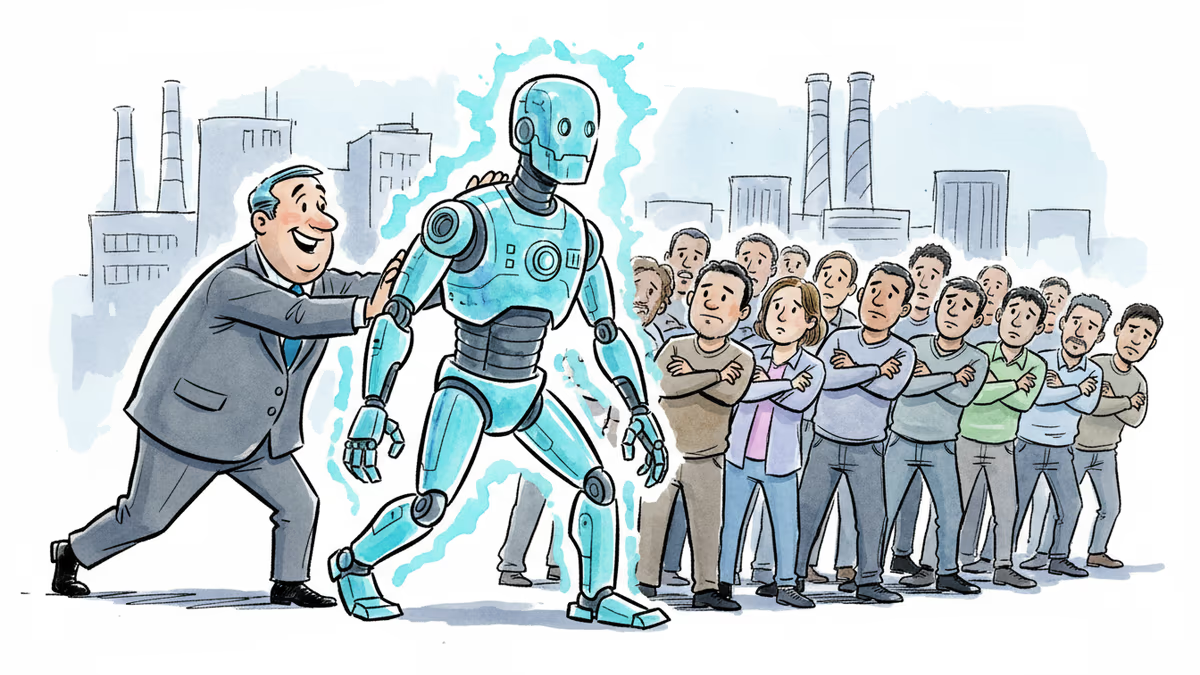
Companies are racing to deploy AI everywhere, but consumers keep saying no. What happens when the gap between corporate enthusiasm and public trust keeps widening?
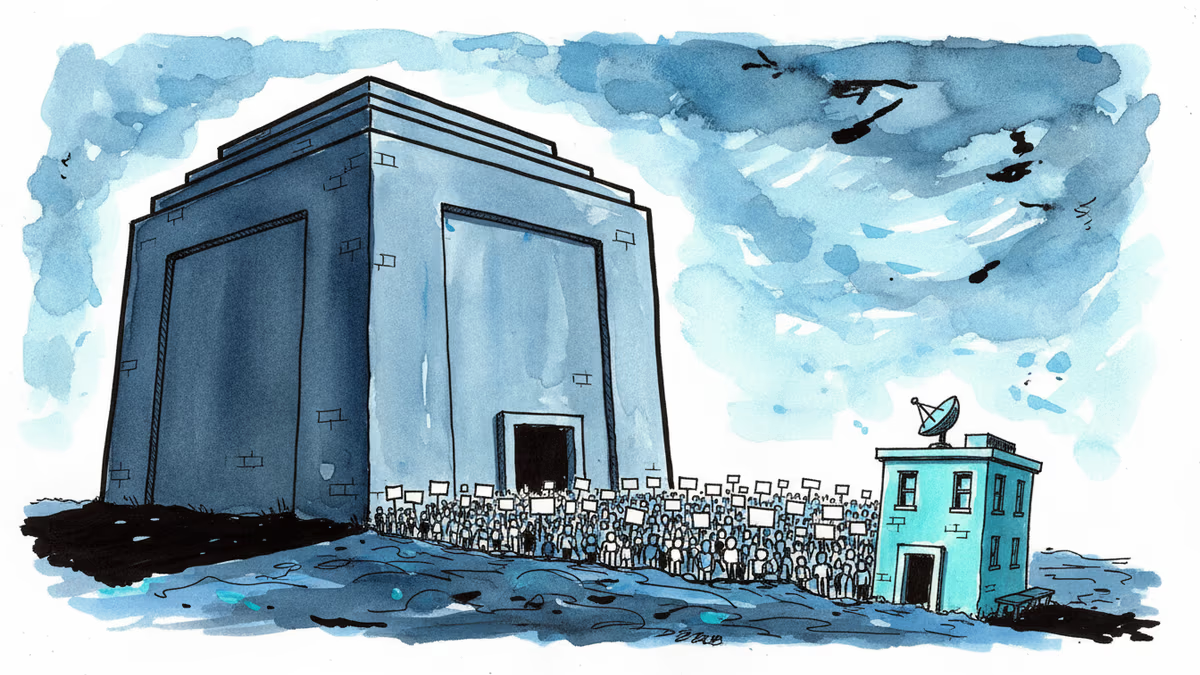
Hundreds of tech workers signed an open letter defending Anthropic against Pentagon retaliation. The AI industry's red lines are being tested by national security demands.
Florida is investigating OpenAI over alleged links to a mass shooting. As AI firms quietly restrict their most powerful tools, a harder question is taking shape: who's legally responsible when AI helps someone plan violence?
OpenAI's CEO published a blog post read by 600,000 people arguing AI is all upside. Is this genuine belief, strategic narrative, or both? PRISM examines the gaps in Silicon Valley's favorite story.
Companies are racing to deploy AI everywhere, but consumers keep saying no. What happens when the gap between corporate enthusiasm and public trust keeps widening?
Hundreds of tech workers signed an open letter defending Anthropic against Pentagon retaliation. The AI industry's red lines are being tested by national security demands.
Thoughts
Share your thoughts on this article
Sign in to join the conversation