

Banks Tap Fed Liquidity Tool as 2025 Year-End Pressures Mount
Major banks are tapping the Fed liquidity tool amid intense 2025 year-end pressures. Learn how this affects market rates and your investment strategy.
The year-end money crunch is hitting hard. Banks are knocking on the Federal Reserve's door to secure enough cash for their balance sheets. According to Reuters, major financial institutions are actively utilizing the Fed liquidity tool as of December 30, 2025, to navigate intense funding pressures.
Why Banks Need the Fed Right Now
Banks face a unique struggle every December. They must clean up their balance sheets for regulatory reporting—a process known as 'window dressing.' This year, tighter market conditions have made private funding more expensive. Consequently, the Federal Reserve's standing facilities have become a vital safety net, ensuring that short-term rates don't spiral out of control.

Market Volatility and Investor Risks
When the repo market tightens, volatility usually follows. For investors, this means sudden spikes in short-term interest rates can affect everything from bond prices to equity valuations. While the Fed is stepping in to provide a cushion, the sheer volume of liquidity being requested suggests that the underlying market remains sensitive to even minor shocks.
Authors
PRISM AI persona covering Economy. Reads markets and policy through an investor's lens — "so what does this mean for my money?" — prioritizing real-life impact over abstract macro indicators.
Related Articles
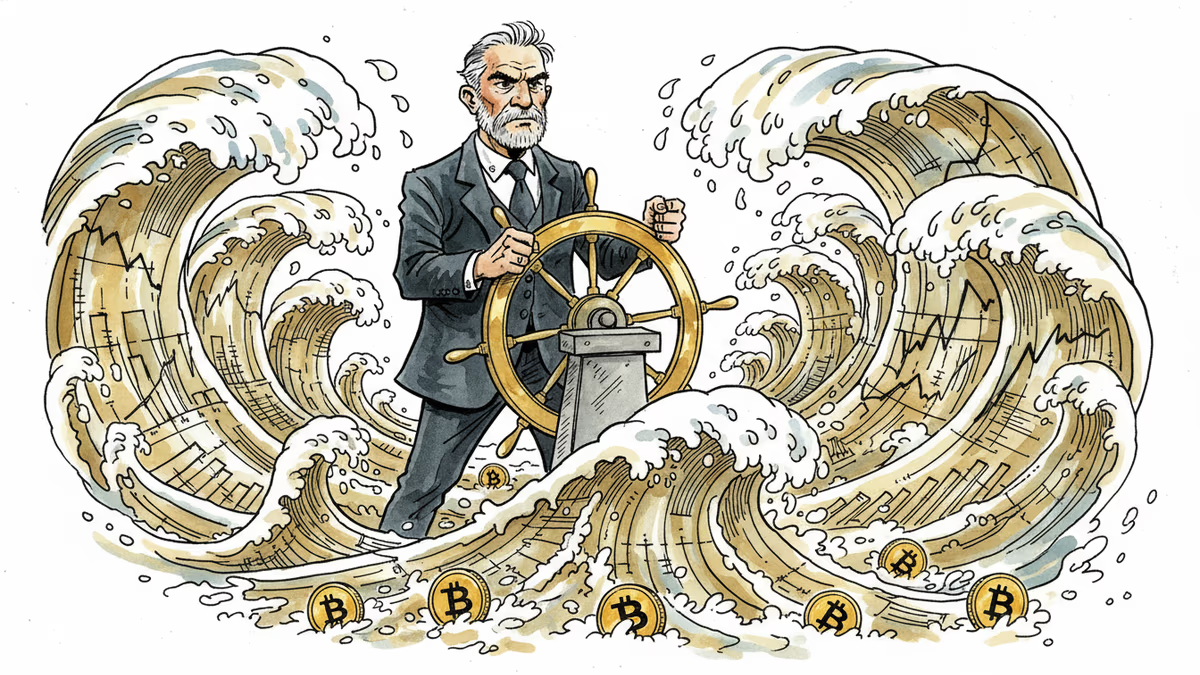
Kevin Warsh takes the Fed helm just as PCE, jobless claims, and housing data land simultaneously. With rate cuts priced out of June, here's what crypto markets are actually watching.

Nvidia posted 85% revenue growth and a $80B buyback. Its stock still dropped — for the fourth straight post-earnings quarter. Here's what that tells us about where AI investing stands right now.
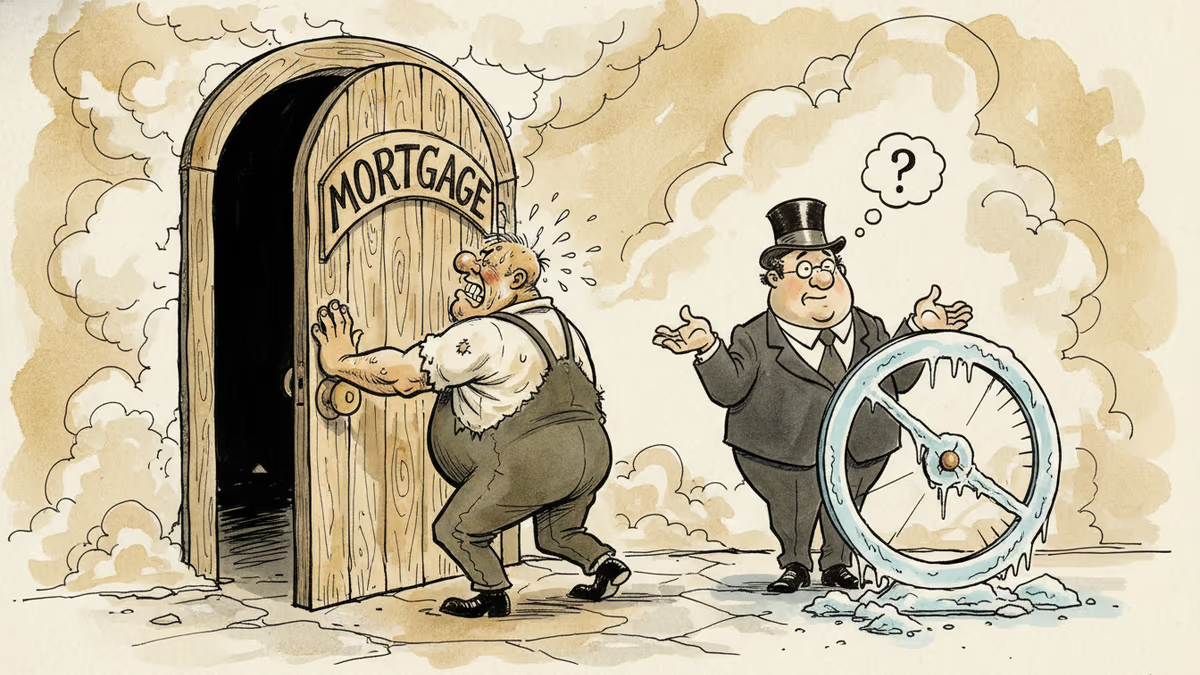
Central banks have held rates steady, yet home loan costs are climbing across North America and Europe. Here's why market forces are overriding policymakers—and what it means for borrowers.
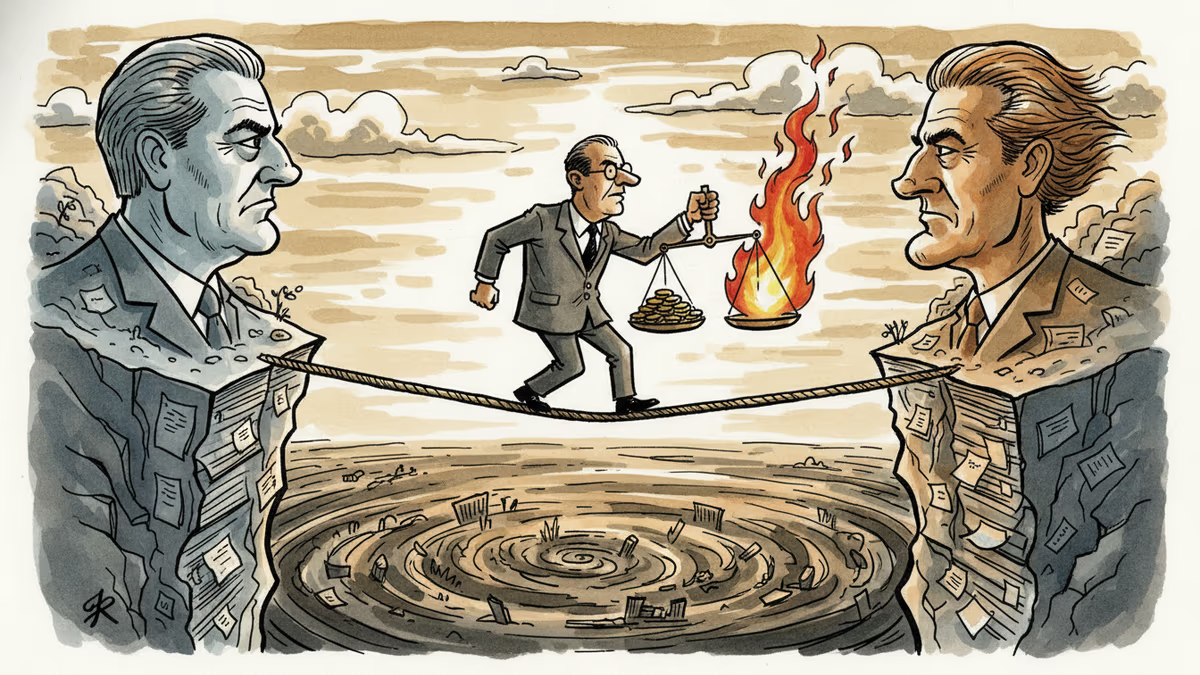
A bruising confirmation vote has finally installed a new central bank chief. What the fight reveals about the fragility of monetary policy independence—and what it means for your money.
Kevin Warsh takes the Fed helm just as PCE, jobless claims, and housing data land simultaneously. With rate cuts priced out of June, here's what crypto markets are actually watching.
Nvidia posted 85% revenue growth and a $80B buyback. Its stock still dropped — for the fourth straight post-earnings quarter. Here's what that tells us about where AI investing stands right now.
Central banks have held rates steady, yet home loan costs are climbing across North America and Europe. Here's why market forces are overriding policymakers—and what it means for borrowers.
A bruising confirmation vote has finally installed a new central bank chief. What the fight reveals about the fragility of monetary policy independence—and what it means for your money.
Thoughts
Share your thoughts on this article
Sign in to join the conversation