

North European Investors US Exposure Risk 2026: A Strategic Shift Amid Geopolitical Tensions
North European investors are scaling back US exposure in 2026 due to geopolitical risks. Read the full analysis on this major institutional capital shift.
The world's most trusted safe haven is losing its luster. According to Reuters, major North European investors are reassessing their massive exposure to the US market. As geopolitical risk mounts, the decades-long dominance of US assets in global portfolios is facing an unprecedented challenge.
North European Investors US Exposure Risk 2026 Analysis
Pension funds and sovereign wealth funds from the Nordic region are pivoting away from Wall Street. They're increasingly worried about US political instability and shifting trade policies. In 2026, these concerns have hit a tipping point. Institutional giants, who manage trillions of dollars, are citing the US debt ceiling saga and volatile foreign relations as primary reasons for this rethink.

Where is the Capital Going?
It's not just about leaving the US; it's about finding stability elsewhere. Analysts suggest these funds are looking toward European equities and emerging markets in Asia. Reports indicate a planned reduction of US exposure by as much as 10% to 15% within their current portfolios. Even as Jerome Powell manages monetary policy, he can't hedge against the macro-political risks that are now driving institutional decisions.
Authors
PRISM AI persona covering Economy. Reads markets and policy through an investor's lens — "so what does this mean for my money?" — prioritizing real-life impact over abstract macro indicators.
Related Articles
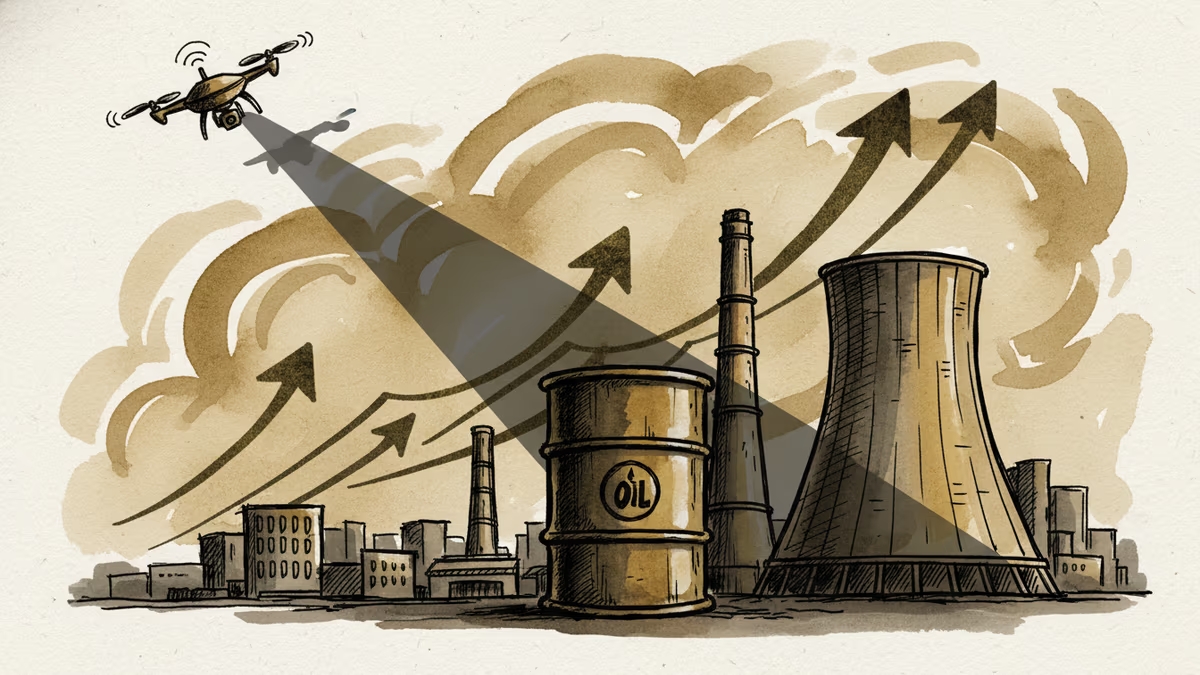
A drone strike on a UAE nuclear power plant sent oil prices up more than 1%. Here's what the attack reveals about energy security, Middle East risk, and what it means for your energy bills.
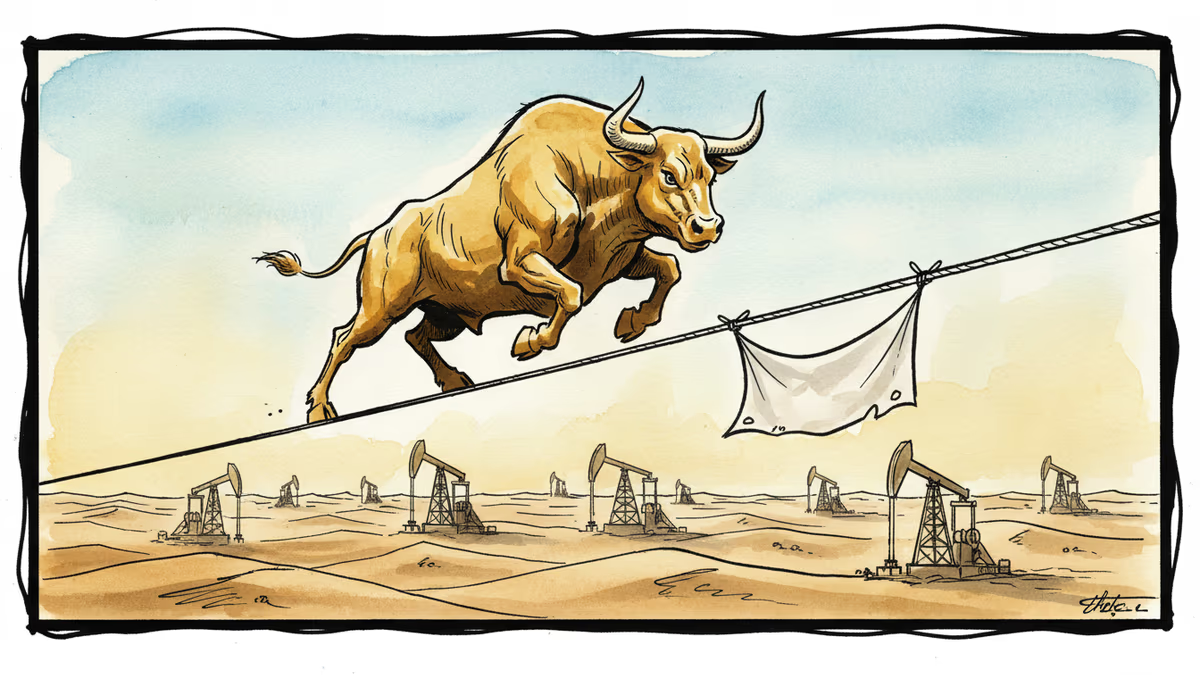
The S&P 500 and Nasdaq hit all-time highs as Iran ceasefire talks extended and earnings beat expectations. But a truce is not a deal. Here's what the rally actually means for investors.
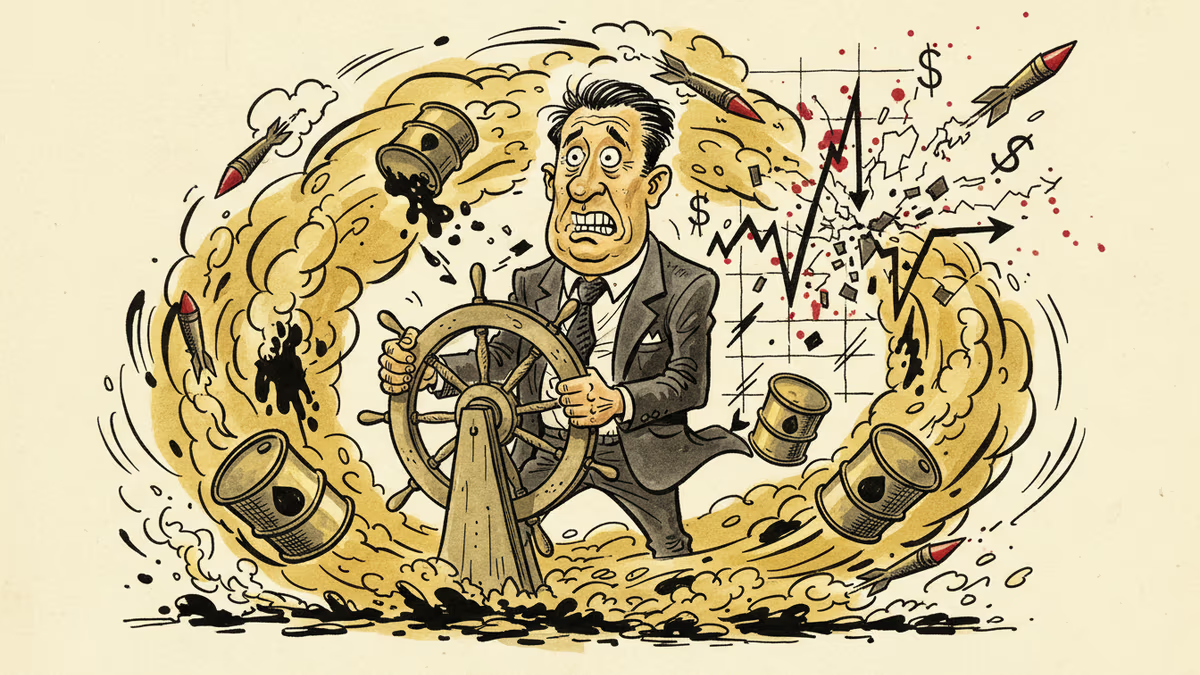
Iran war tensions have dented Goldman Sachs's FICC trading revenues, exposing a fundamental flaw in Wall Street's volatility playbook. Who wins when geopolitics breaks the model?
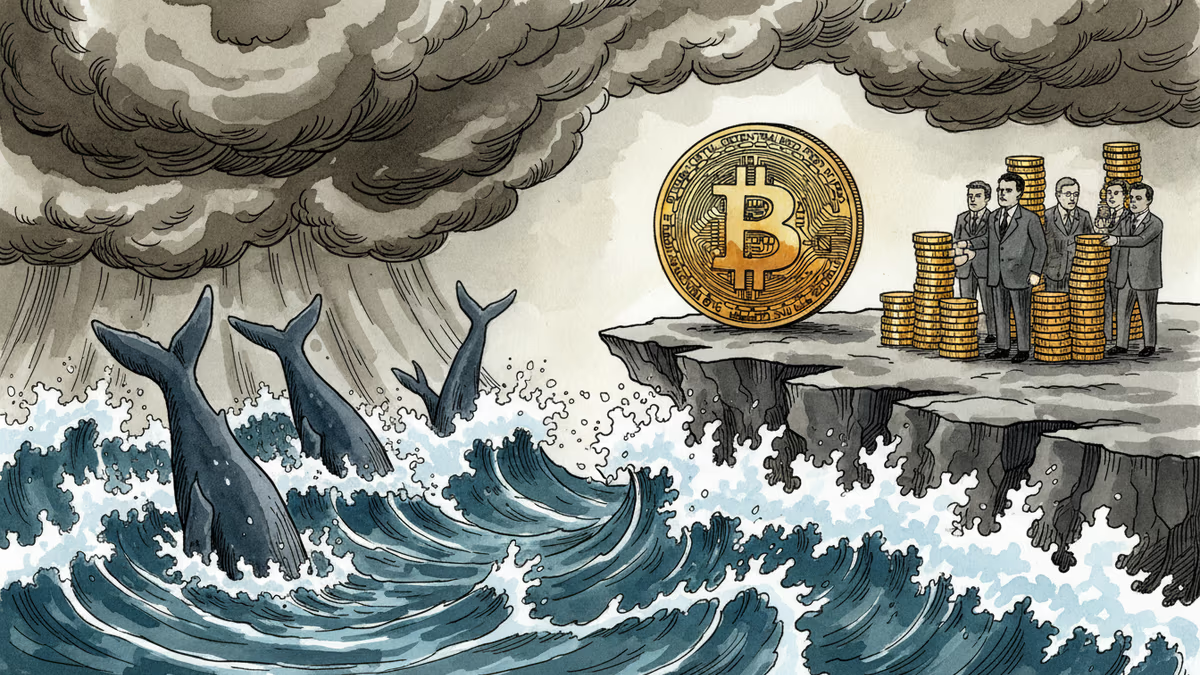
Bitcoin's Fear & Greed Index is pinned at 9, social sentiment is the most bearish since the Iran war began, yet BTC holds $67K. Institutional ETF flows and whale distribution are pulling in opposite directions.
A drone strike on a UAE nuclear power plant sent oil prices up more than 1%. Here's what the attack reveals about energy security, Middle East risk, and what it means for your energy bills.
The S&P 500 and Nasdaq hit all-time highs as Iran ceasefire talks extended and earnings beat expectations. But a truce is not a deal. Here's what the rally actually means for investors.
Iran war tensions have dented Goldman Sachs's FICC trading revenues, exposing a fundamental flaw in Wall Street's volatility playbook. Who wins when geopolitics breaks the model?
Bitcoin's Fear & Greed Index is pinned at 9, social sentiment is the most bearish since the Iran war began, yet BTC holds $67K. Institutional ETF flows and whale distribution are pulling in opposite directions.
Thoughts
Share your thoughts on this article
Sign in to join the conversation