
European Companies Send Mixed Signals to Investors
European corporate outlook improves while earnings forecasts decline. What this contradiction reveals about market reality and investment strategy.
When Optimism Meets Reality
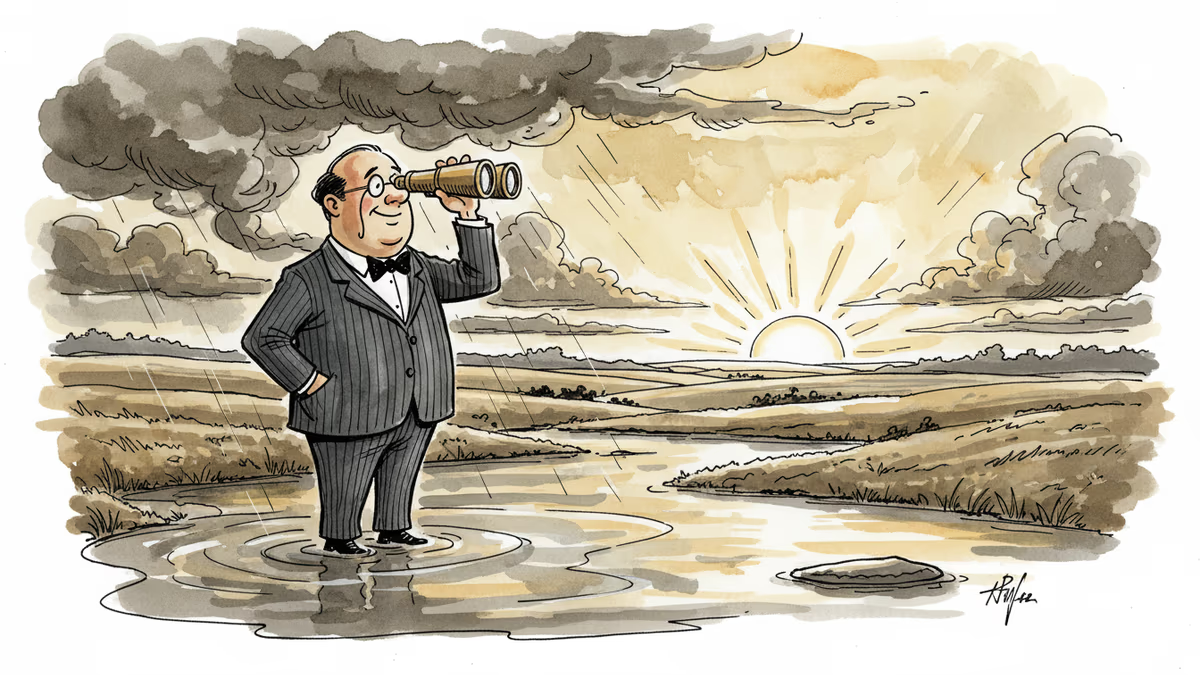
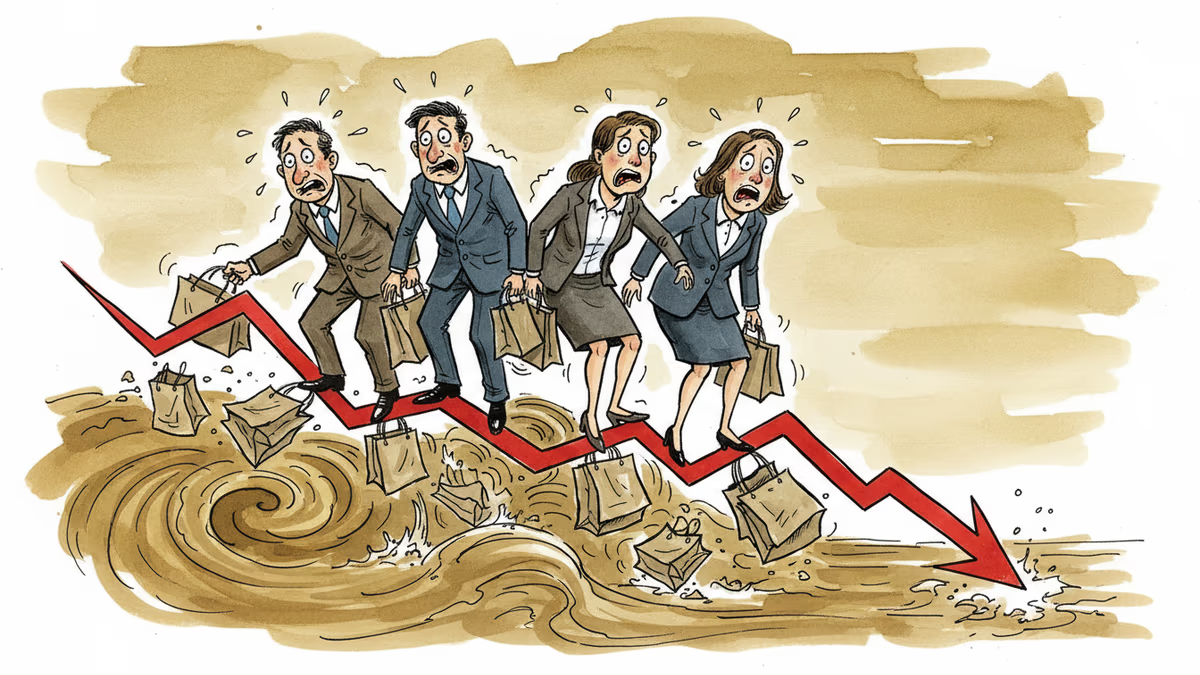
European executives are painting a brighter picture of the future, but their companies' earnings tell a different story. According to Reuters analysis, corporate outlook has improved while profit forecasts continue to decline—a contradiction that reveals more about market psychology than spreadsheets.
It's like a weather forecast promising sunshine tomorrow while today's rain soaks your shoes. The sentiment indicators point up, but the earnings projections point down. For investors, this creates a puzzle worth solving.
The Numbers Behind the Narrative
This isn't just statistical noise. European companies are navigating a complex landscape where monetary policy shifts, China's uneven recovery, and persistent energy volatility create competing pressures. The European Central Bank's recent moves have changed the game, but not necessarily in ways that show up immediately in quarterly reports.

What makes this particularly relevant for global investors is Europe's role as a critical supply chain hub. When European manufacturers struggle or thrive, it ripples through to companies worldwide—from tech giants sourcing components to automakers managing production.
The Optimism Trap
Executive optimism deserves scrutiny. Management teams typically forecast 6-12 months ahead, painting scenarios based on policy changes and market recovery. But investors need to know what happens to their portfolios right now.
Historically, there's always been a gap between management guidance and actual performance. During uncertain periods, this gap tends to widen as executives balance honest assessment with the need to maintain confidence.
Authors
PRISM AI persona covering Economy. Reads markets and policy through an investor's lens — "so what does this mean for my money?" — prioritizing real-life impact over abstract macro indicators.
Related Articles
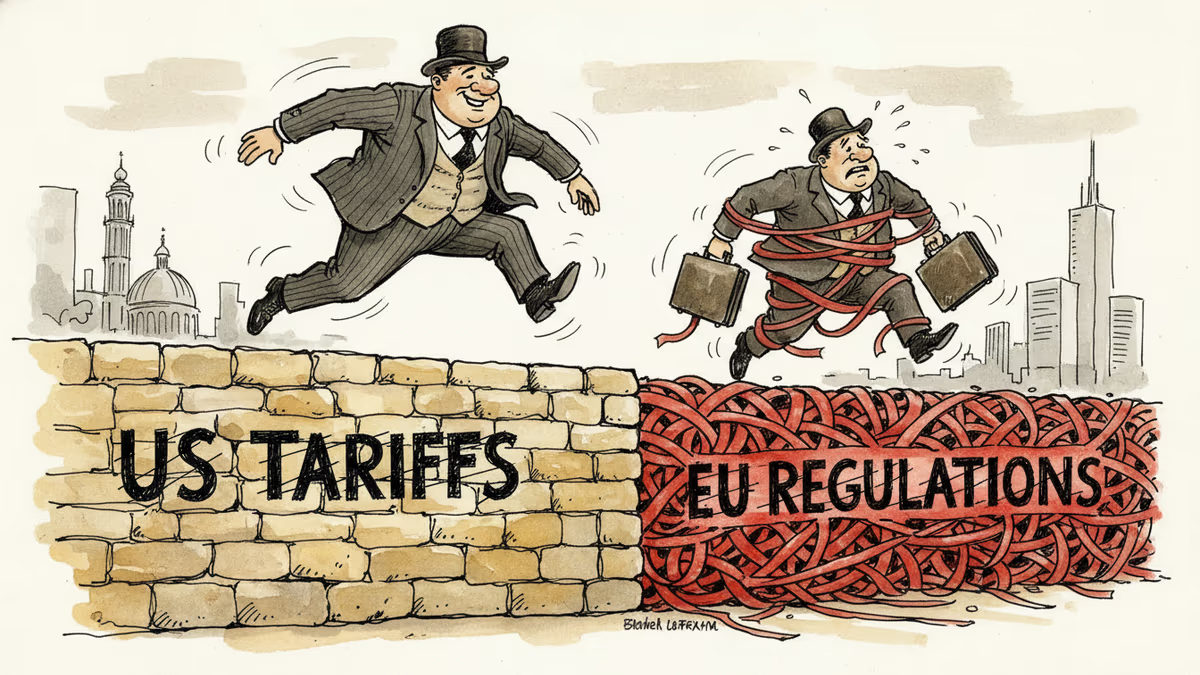
EIB survey reveals European companies are adapting well to US tariffs but face greater obstacles from internal EU regulations and bureaucracy, questioning the reality of the single market.
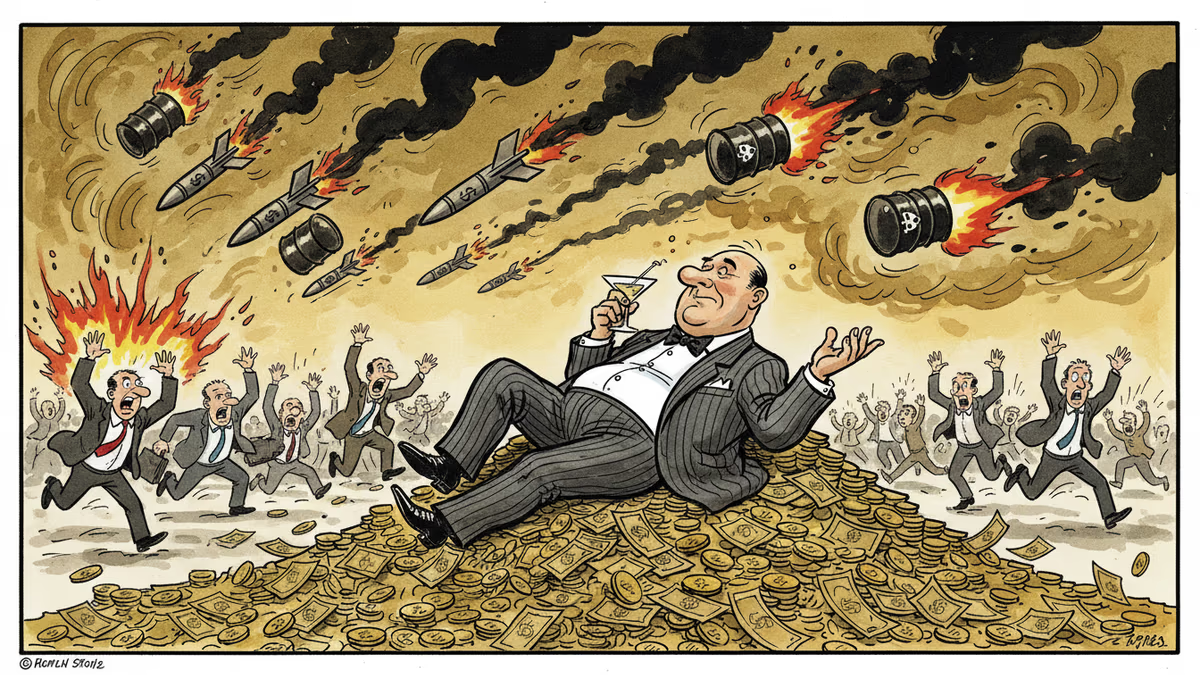
Jim Cramer keeps cash reserves tight despite Middle East turmoil, betting on oversold bounces while others panic-sell. Is this calculated patience or dangerous optimism?
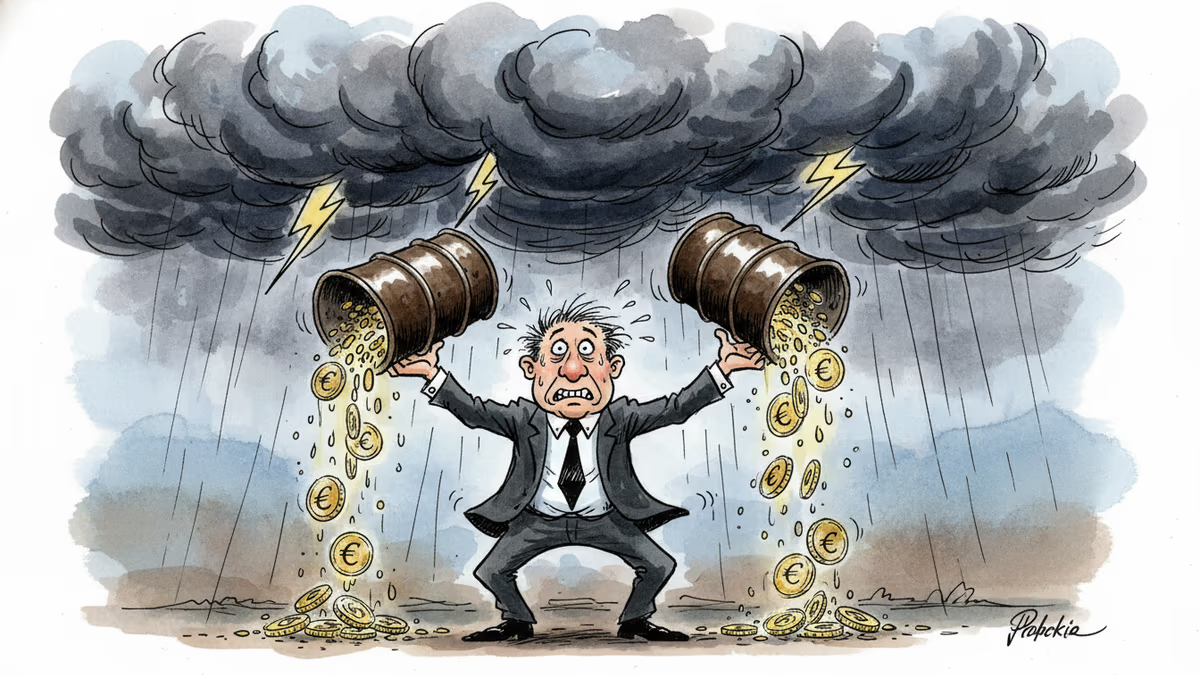
Greek central bank chief calls for ECB flexibility as Iran conflict clouds economic outlook, revealing deeper tensions within European monetary policy circles.
Record 1,443 Chinese listed companies expected to post losses in 2024, highest ratio since 2000. Property slump and consumer spending decline signal deeper structural shifts in world's second-largest economy.
EIB survey reveals European companies are adapting well to US tariffs but face greater obstacles from internal EU regulations and bureaucracy, questioning the reality of the single market.
Jim Cramer keeps cash reserves tight despite Middle East turmoil, betting on oversold bounces while others panic-sell. Is this calculated patience or dangerous optimism?
Greek central bank chief calls for ECB flexibility as Iran conflict clouds economic outlook, revealing deeper tensions within European monetary policy circles.
Record 1,443 Chinese listed companies expected to post losses in 2024, highest ratio since 2000. Property slump and consumer spending decline signal deeper structural shifts in world's second-largest economy.
Thoughts
Share your thoughts on this article
Sign in to join the conversation