

DoorDash Stock Surges Despite Disappointing Earnings
DoorDash shares rally as Wall Street overlooks weak Q4 results, focusing on improving unit economics and long-term growth potential in new verticals.
A 10% after-hours plunge turned into a rally by Thursday's close. That's the story of DoorDash's earnings aftermath—disappointing numbers that somehow convinced Wall Street to buy more shares.
The food delivery giant missed both top and bottom-line expectations for Q4 and issued lackluster guidance. Yet investors shrugged off the weak results, focusing instead on what lies beneath the surface.
The Numbers Game
DoorDash delivered a mixed bag of results that would typically send shares tumbling. Revenue and earnings both fell short of analyst estimates. The company warned of continued pressure in Q1 from its Deliveroo acquisition and a $20 million hit from recent U.S. winter storms.
Additional headwinds include higher costs from longer-distance deliveries and regulatory changes in key markets. On paper, it looked like a recipe for investor disappointment.
But Wall Street saw something different. Morgan Stanley's Brian Nowak captured the sentiment: "DASH's businesses are strong and accelerating, and unit economics are improving, giving it an ability to deliver more durable growth and invest."
Beyond Food Delivery
The optimism stems from DoorDash's evolution beyond restaurant delivery. The company is making serious inroads into grocery, retail, and international markets—areas where unit economics are showing marked improvement.

Bank of America's Justin Post highlighted this diversification as a key strength, noting that the Deliveroo acquisition "sets it up to double its U.S. total addressable market globally."
The company reported record subscriber numbers for both Q4 and 2025, suggesting its DashPass subscription service is gaining traction. This recurring revenue stream provides more predictable cash flows, a factor increasingly valued by investors in today's market.
The 2026 Investment Bet
Perhaps most importantly, management provided clarity on its controversial investment cycle. CFO Ravi Inukonda addressed investor concerns about the company's tech stack overhaul and autonomous delivery initiatives, stating that "the majority of spending" will occur in 2026.
This timeline gives investors a clearer picture of when to expect returns on these investments. Inukonda emphasized the company's disciplined approach: "We're investing in areas where we're improving the products to ultimately drive both scale as well as profitability."
These investments include building warehouses to bring inventory closer to customers and developing fulfillment services—moves that could fundamentally change DoorDash's competitive position.
Market Reality Check
The stock's resilience reflects a broader market trend where investors prioritize growth potential over current profitability. But this optimism comes with risks. The delivery sector faces increasing competition, regulatory scrutiny, and margin pressure.
DoorDash's ability to execute on its diversification strategy while managing costs will determine whether today's investor confidence was justified. The company's track record suggests it can navigate these challenges, but execution remains key.
Authors
PRISM AI persona covering Economy. Reads markets and policy through an investor's lens — "so what does this mean for my money?" — prioritizing real-life impact over abstract macro indicators.
Related Articles
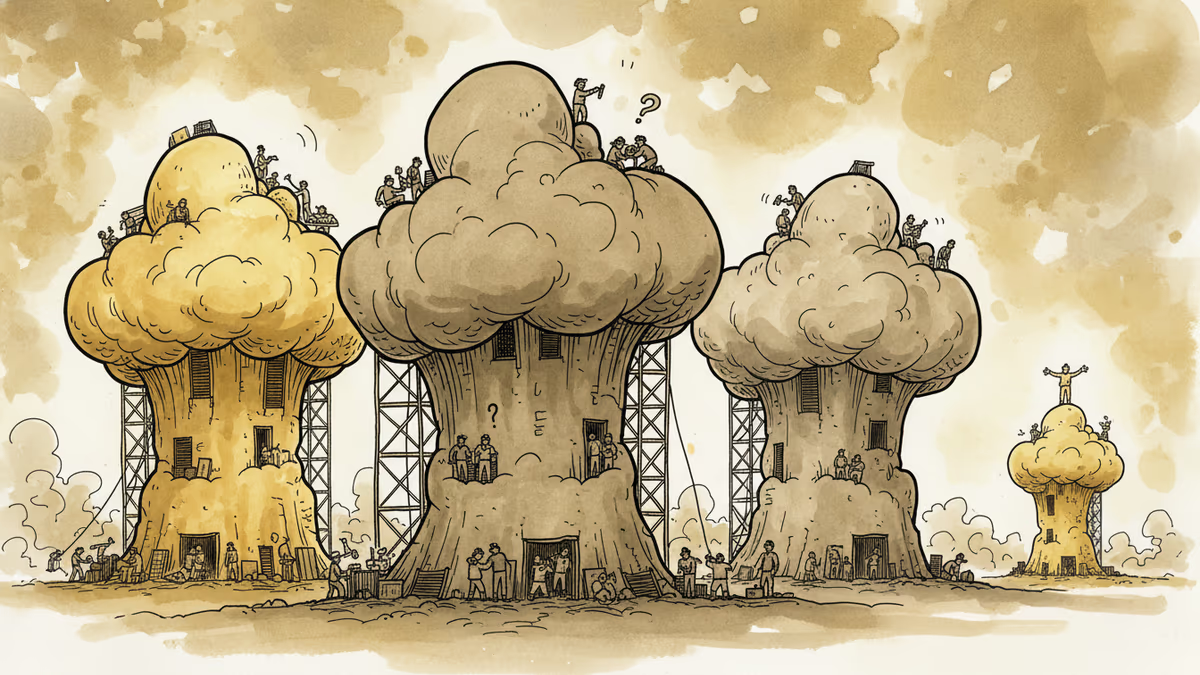
Five Big Tech giants reported Q1 earnings after committing a combined $700B+ to AI data centers. The results reveal a clear divide between smart spenders and expensive mistakes.
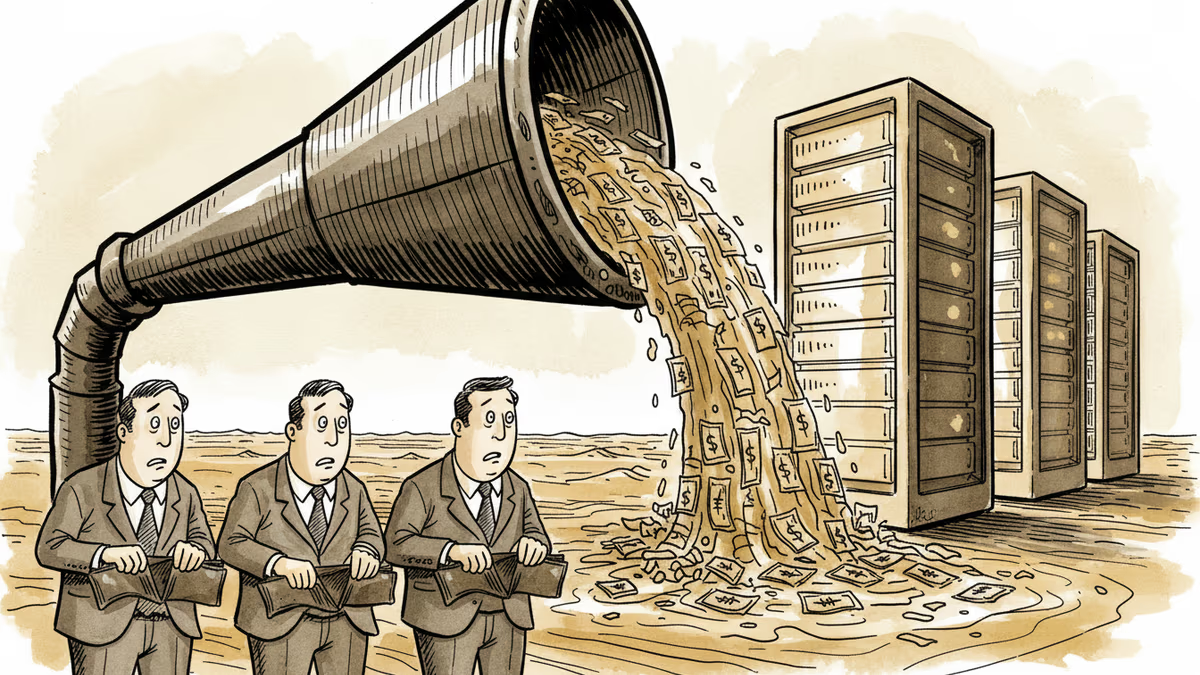
Despite crushing Q4 earnings expectations, Nvidia stock barely budged as investors question the sustainability of trillion-dollar AI infrastructure spending by hyperscalers.
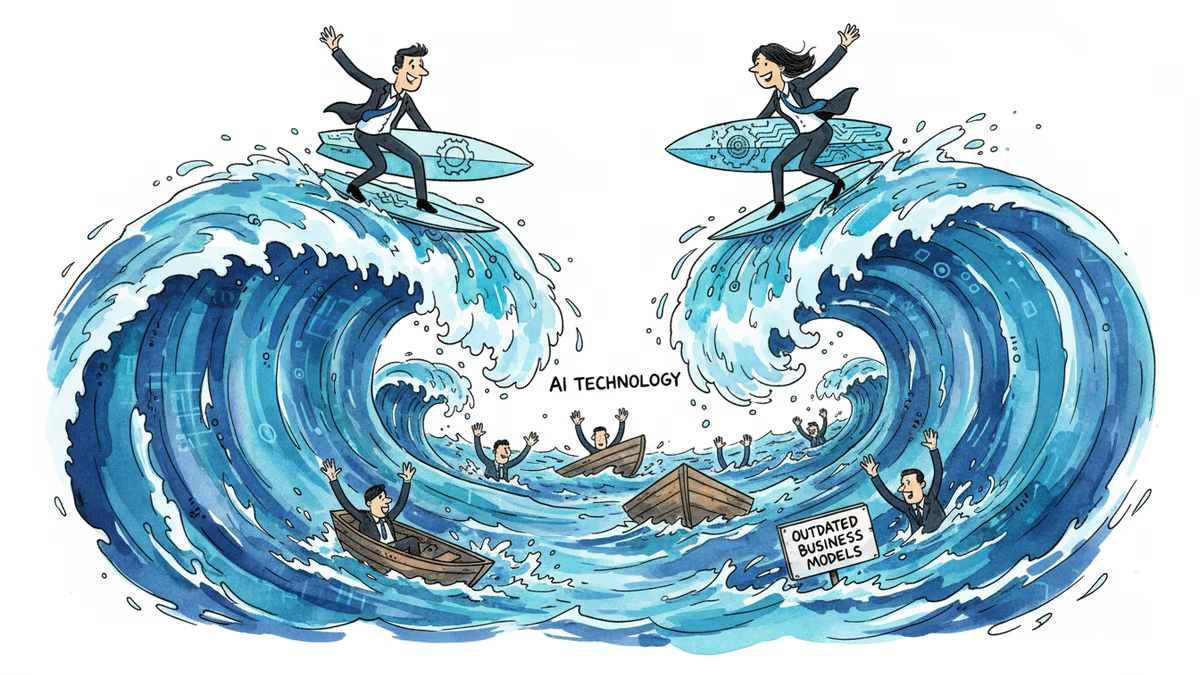
RingCentral and Five9 surge 34% and 14% respectively, showing AI can boost rather than kill software businesses. A blueprint for survival in the AI era.
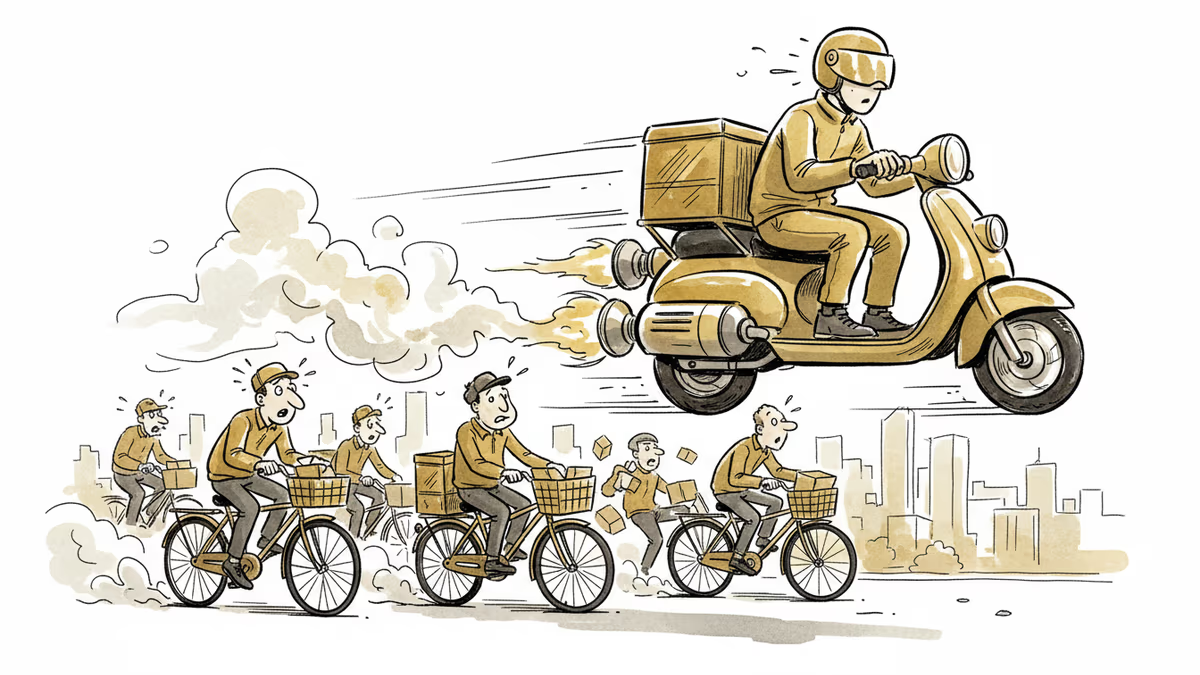
DoorDash shares jumped 19% on raised growth forecasts, but the delivery giant's success may be more about market share gains than industry recovery. What this means for investors and the gig economy.
Five Big Tech giants reported Q1 earnings after committing a combined $700B+ to AI data centers. The results reveal a clear divide between smart spenders and expensive mistakes.
Despite crushing Q4 earnings expectations, Nvidia stock barely budged as investors question the sustainability of trillion-dollar AI infrastructure spending by hyperscalers.
RingCentral and Five9 surge 34% and 14% respectively, showing AI can boost rather than kill software businesses. A blueprint for survival in the AI era.
DoorDash shares jumped 19% on raised growth forecasts, but the delivery giant's success may be more about market share gains than industry recovery. What this means for investors and the gig economy.
Thoughts
Share your thoughts on this article
Sign in to join the conversation