
Disney Threads Anti-Fascist Post Deleted: When Fans Quote the Mouse Back to Power
Disney's attempt at fan engagement on Threads turned political when users replied with anti-fascist quotes. Explore why the post was deleted and the resulting outcry.
"Share a Disney quote that sums up how you're feeling right now!" It seemed like a standard social media engagement tactic. However, for Disney, this simple post on Threads quickly spiraled into a PR headache as fans turned the company's own stories into political weapons.
Disney Threads Anti-Fascist Post Deleted After Political Backlash
According to The Verge, users responded with pointed lines from Star Wars, The Hunchback of Notre Dame, and Mary Poppins. The common thread? These quotes were overtly anti-fascist and aimed directly at the current administration. It appears the entertainment giant wasn't ready for its own movies' subversive messages to be used so literally in the digital town square.

Disney's response was swift: it deleted the post entirely. While the company likely hoped to avoid upsetting political powers, the move backfired as one resourceful user archived the entire exchange. The incident highlights a growing tension between a brand's fictional values and its corporate survival instincts in 2026.
Authors
Related Articles
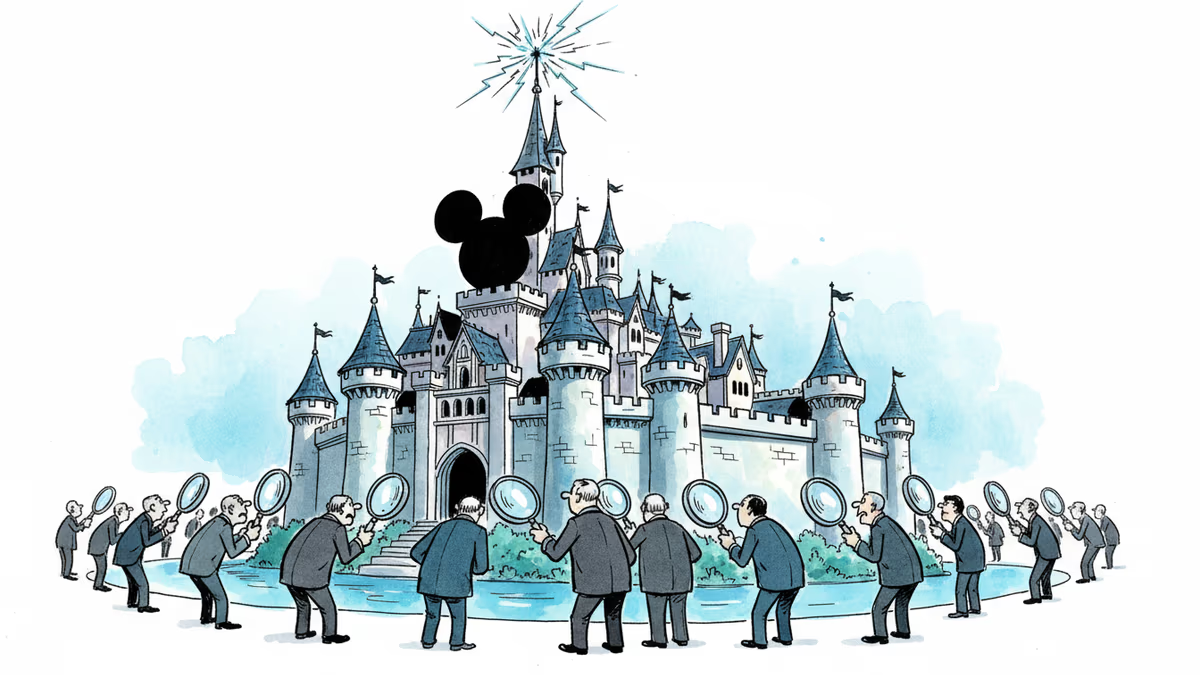
Josh D'Amaro took over Disney with a bold Disney Plus vision. Days later, he's in a First Amendment fight with the Trump administration over The View. What does this mean for media freedom?
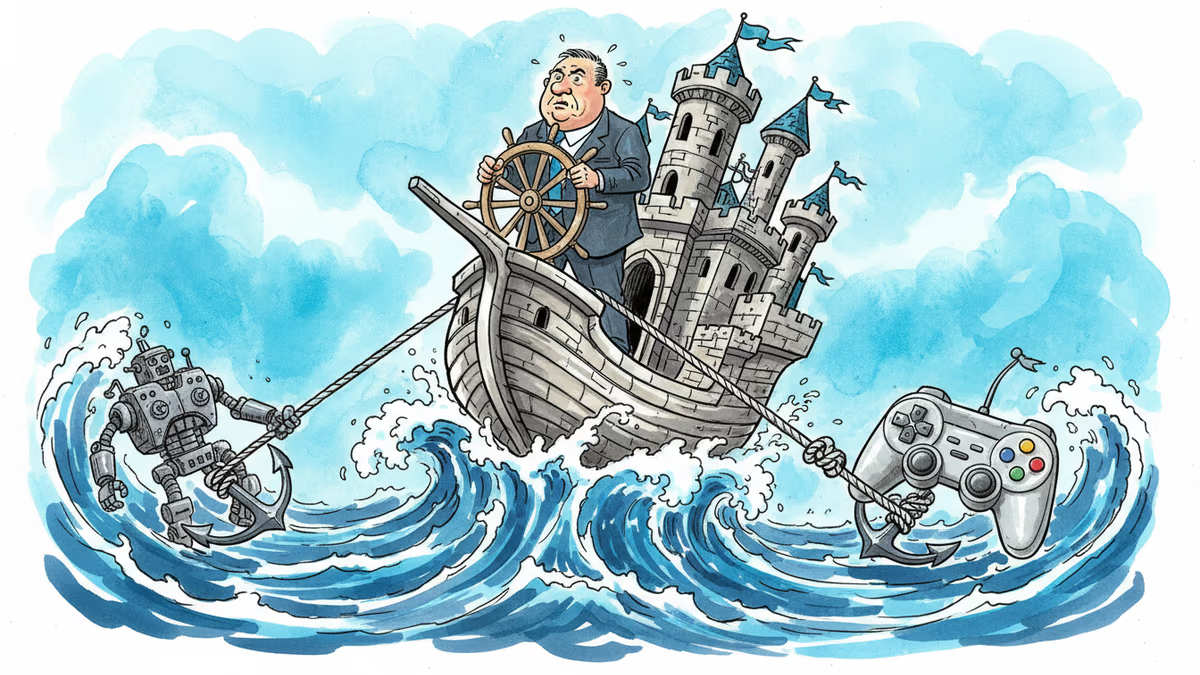
Days into his tenure, Disney CEO Josh D'Amaro faces simultaneous crises: OpenAI's Sora shutdown threatens a $1B AI deal, while Epic's layoffs cast doubt on a $1.5B metaverse plan.
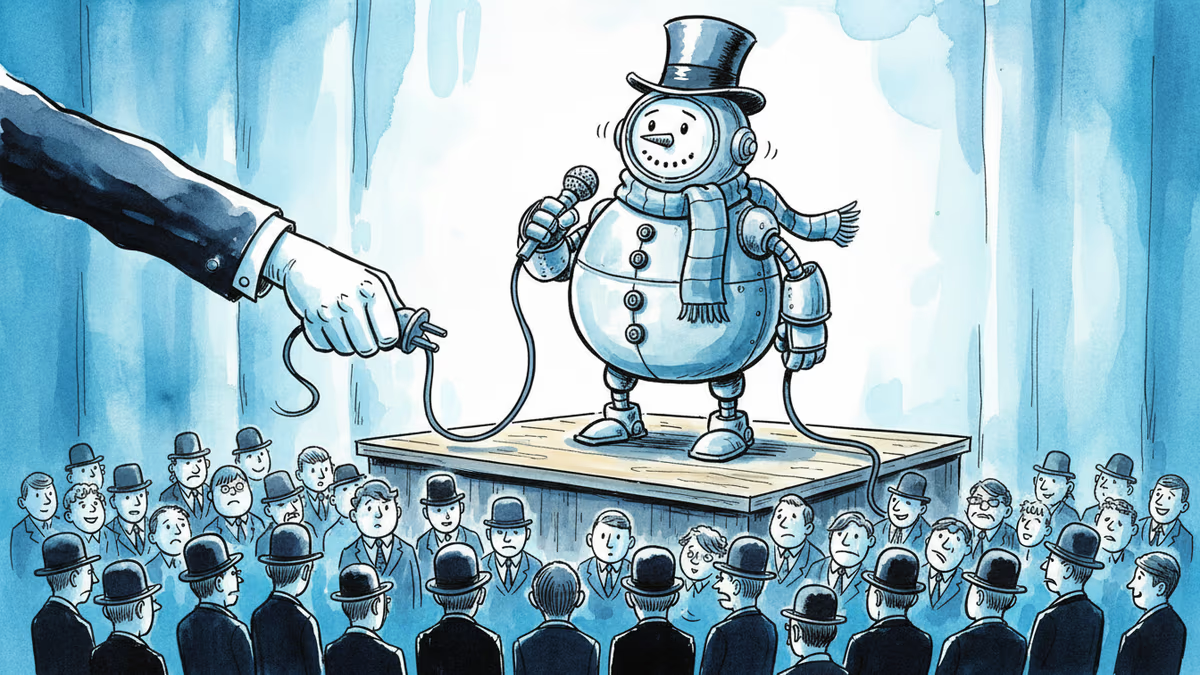
At Nvidia's GTC 2026, a rambling Olaf robot had its mic cut mid-demo. The real story isn't the glitch — it's the questions the industry keeps avoiding.

As of Jan 2026, Meta's Threads has officially surpassed X in global mobile daily active users, reaching 141.5 million. Explore the data behind this social media power shift.
Josh D'Amaro took over Disney with a bold Disney Plus vision. Days later, he's in a First Amendment fight with the Trump administration over The View. What does this mean for media freedom?
Days into his tenure, Disney CEO Josh D'Amaro faces simultaneous crises: OpenAI's Sora shutdown threatens a $1B AI deal, while Epic's layoffs cast doubt on a $1.5B metaverse plan.
At Nvidia's GTC 2026, a rambling Olaf robot had its mic cut mid-demo. The real story isn't the glitch — it's the questions the industry keeps avoiding.
As of Jan 2026, Meta's Threads has officially surpassed X in global mobile daily active users, reaching 141.5 million. Explore the data behind this social media power shift.
Thoughts
Share your thoughts on this article
Sign in to join the conversation