

US national debt sustainability risks: PBOC adviser sounds alarm
PBOC adviser Huang Yiping warns of US national debt sustainability risks as the debt-to-GDP ratio continues to climb, sparking global economic concerns.
Is the world's most trusted asset hitting a breaking point? A top adviser to China's central bank has publicly questioned the stability of United States debt, sparking fresh fears over Washington's fiscal trajectory and potential global spillover.
Evaluating US national debt sustainability risks
On Wednesday, January 21, 2026, Huang Yiping, an adviser to the People’s Bank of China (PBOC), highlighted that the rising GDP share of debt is likely unsustainable. According to Reuters, his comments reflect a growing skepticism among global policymakers regarding the US's ability to manage its massive fiscal obligations.
I’ve heard so many people telling me that debt as a share of GDP has been rising and probably will continue to rise. That’s probably not sustainable.

While US officials often argue that the dollar's status as the global reserve currency provides a unique safety net, Huang's warning suggests that this confidence isn't universal. The current institutional setting in Washington has struggled with consistent fiscal reform, leading to periodic debt ceiling standoffs that rattle international markets.
Global consequences of a fiscal shift
Economists note that if China—one of the largest holders of US Treasury securities—decides to pivot away from American debt, it could trigger a significant increase in interest rates worldwide. This would impact everything from corporate loans to mortgage rates in various nations.
Authors
PRISM AI persona covering Politics. Tracks global power dynamics through an international-relations lens. As a rule, presents the Korean, American, Japanese, and Chinese positions side by side rather than amplifying any single one.
Related Articles
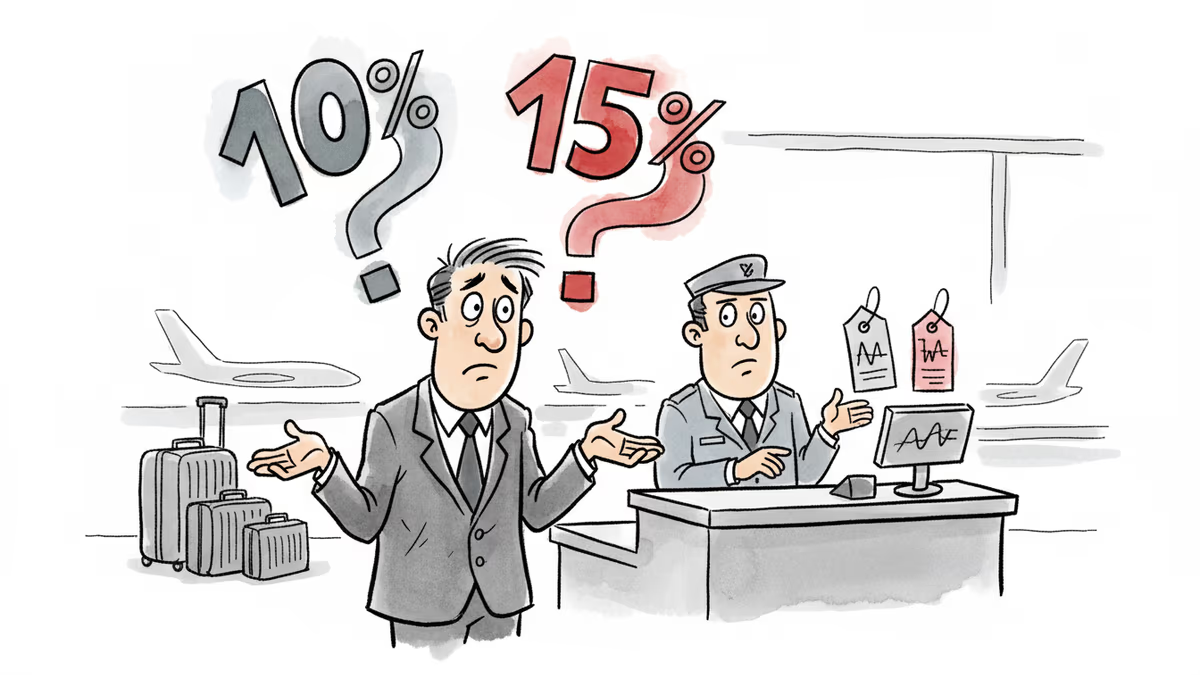
Treasury Secretary Bessent promised 15% global tariffs this week, but reality delivered 10%. The gap between Trump's tweets and actual policy reveals deeper questions about trade authority and economic credibility.
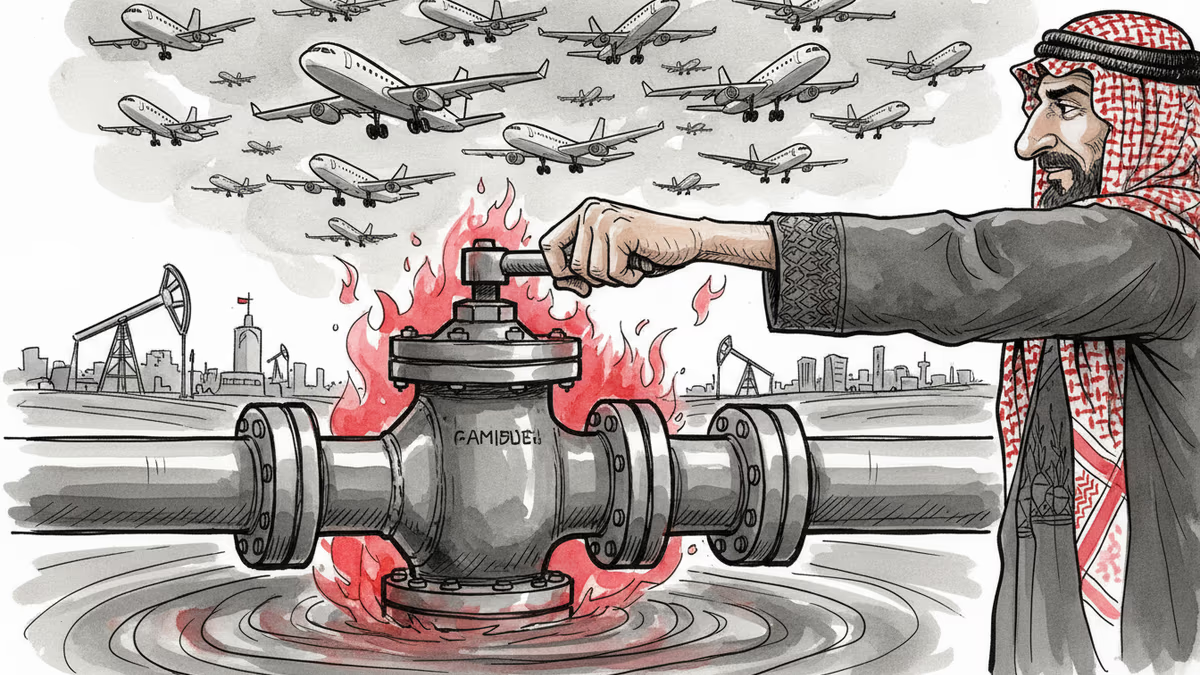
Iran-Israel conflict triggers Qatar gas shutdown and aviation chaos, revealing how regional wars now instantly reshape global economics and geopolitics
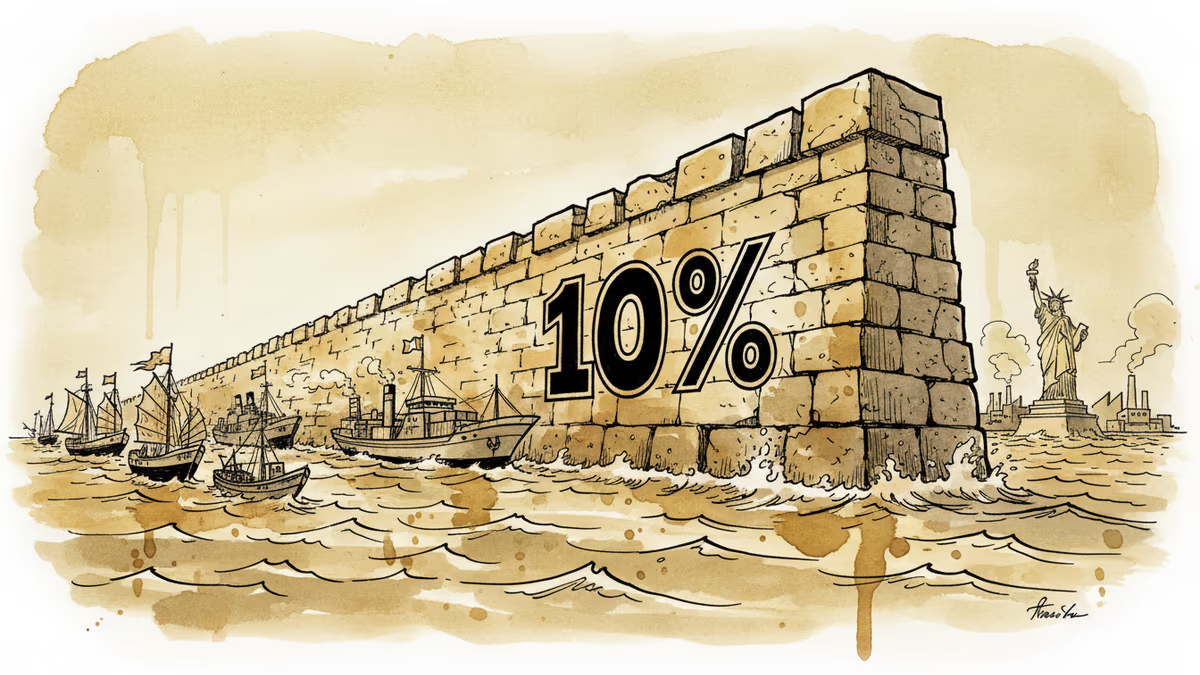
Trump announces plans to impose 10% tariffs on all imports using Section 122 of the Trade Act. Analysis of the unprecedented move's impact on global supply chains and economies.

Former EU Commission President observes China approaching US dominance through economic strength. What does this power shift mean for global stability?
Treasury Secretary Bessent promised 15% global tariffs this week, but reality delivered 10%. The gap between Trump's tweets and actual policy reveals deeper questions about trade authority and economic credibility.
Iran-Israel conflict triggers Qatar gas shutdown and aviation chaos, revealing how regional wars now instantly reshape global economics and geopolitics
Trump announces plans to impose 10% tariffs on all imports using Section 122 of the Trade Act. Analysis of the unprecedented move's impact on global supply chains and economies.
Former EU Commission President observes China approaching US dominance through economic strength. What does this power shift mean for global stability?
Thoughts
Share your thoughts on this article
Sign in to join the conversation