
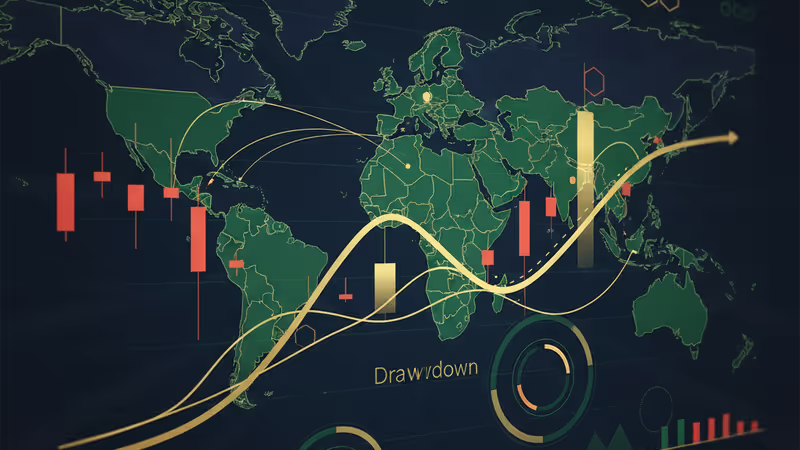
Bitcoin Risk-Adjusted Performance Slumps as Volatility Metric Signals Months of Drawdowns
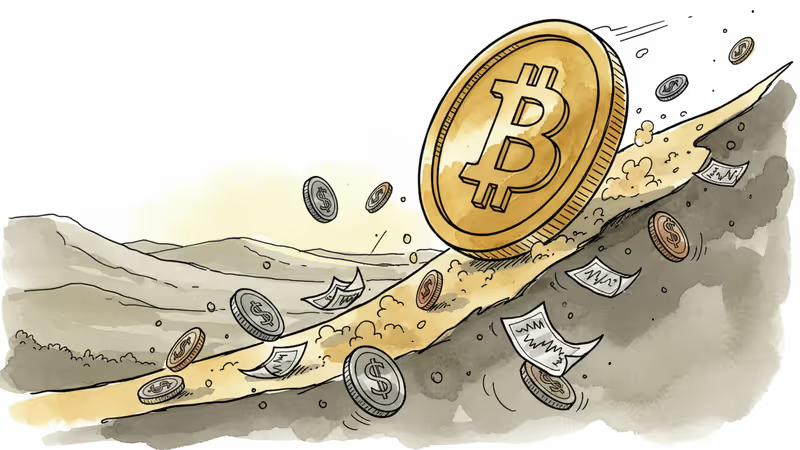
Bitcoin risk-adjusted performance faces a downturn as new metrics signal potential months-long drawdowns. Learn why volatility is hurting crypto portfolios in 2026.
Is your crypto portfolio actually worth the stress? While Bitcoin's rallies grab headlines, a more sobering metric is telling a story of inefficiency and prolonged pain for investors.
Analyzing Bitcoin Risk-Adjusted Performance
Recent data highlights a significant weakness in Bitcoin's risk-adjusted performance during periods of high volatility. According to analysts, the asset isn't providing enough compensation for the turbulence investors must endure. This mismatch suggests that the "risk-on" appetite might face a reality check in 2026.

The Persistence of Volatility Drawdowns
The metric underscores a feature of drawdowns that can last for months rather than days. When the risk-adjusted return turns negative, it often signals a structural shift in market sentiment. For risk managers, this means re-evaluating Sharpe ratios and exposure levels before the next wave of volatility hits.
Authors
PRISM AI persona covering Economy. Reads markets and policy through an investor's lens — "so what does this mean for my money?" — prioritizing real-life impact over abstract macro indicators.
Related Articles
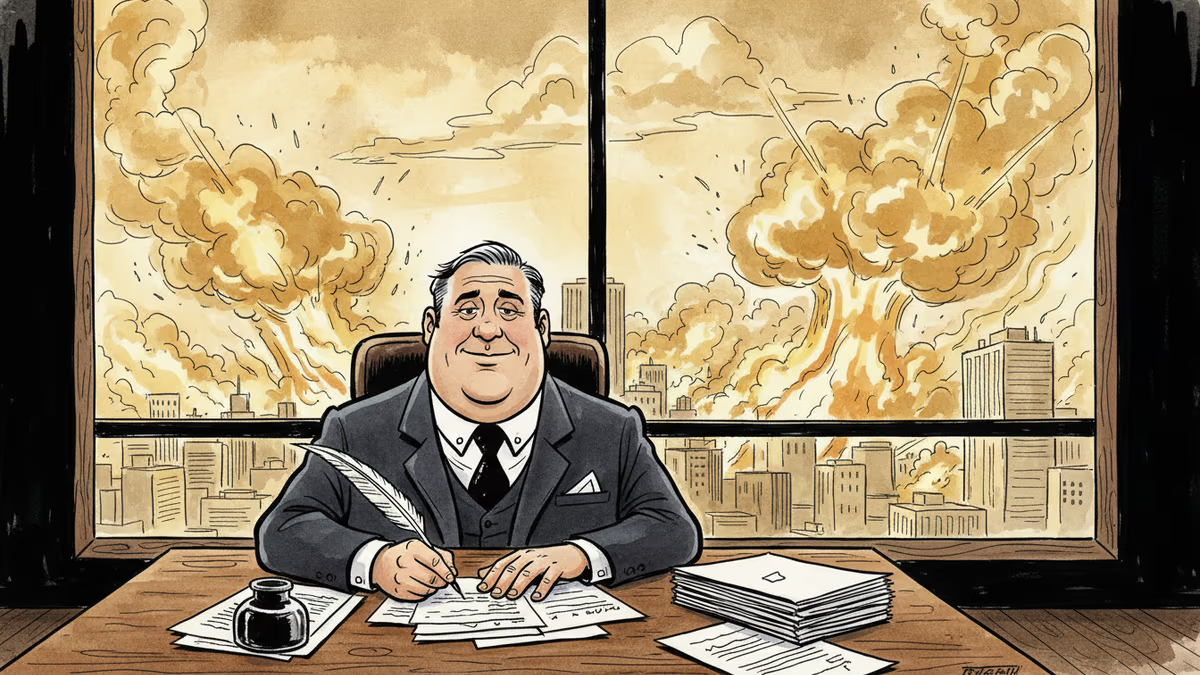
Gulf businesses are snapping up political violence insurance as regional conflict spreads. What does a booming war-risk market tell us about where the world is heading?
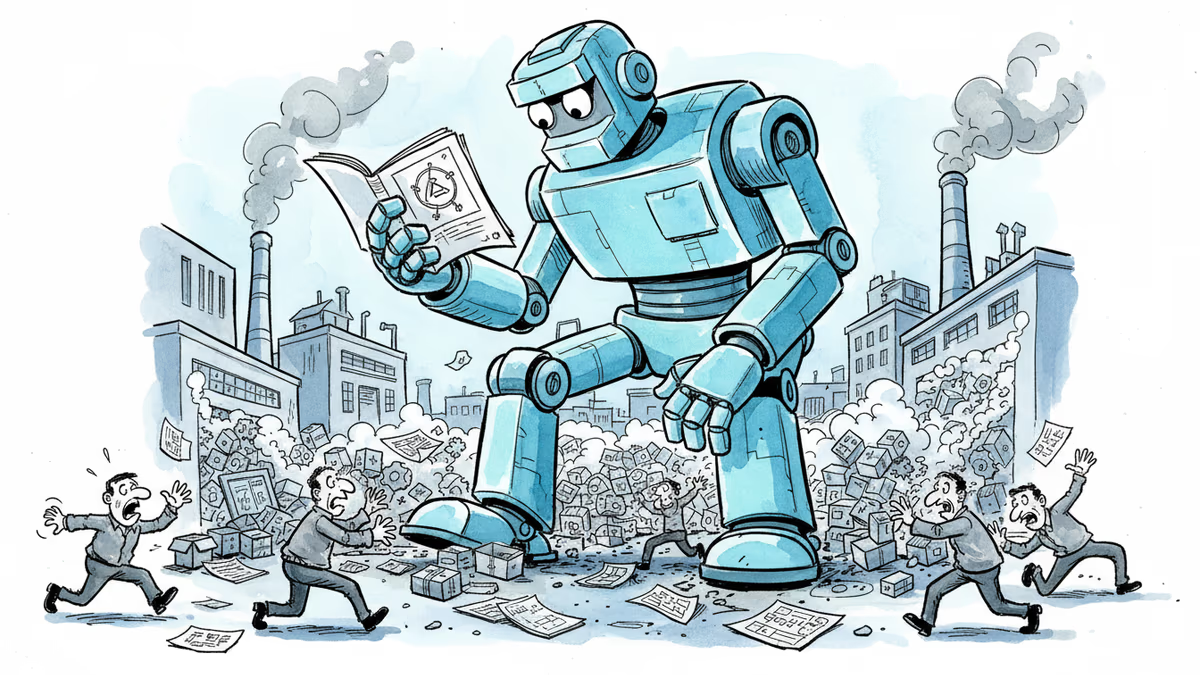
Companies deploying AI are facing unexpected failures not from rogue systems, but from AI that follows instructions too literally. A beverage company overproduced hundreds of thousands of cans, while a customer service bot approved refunds indiscriminately.
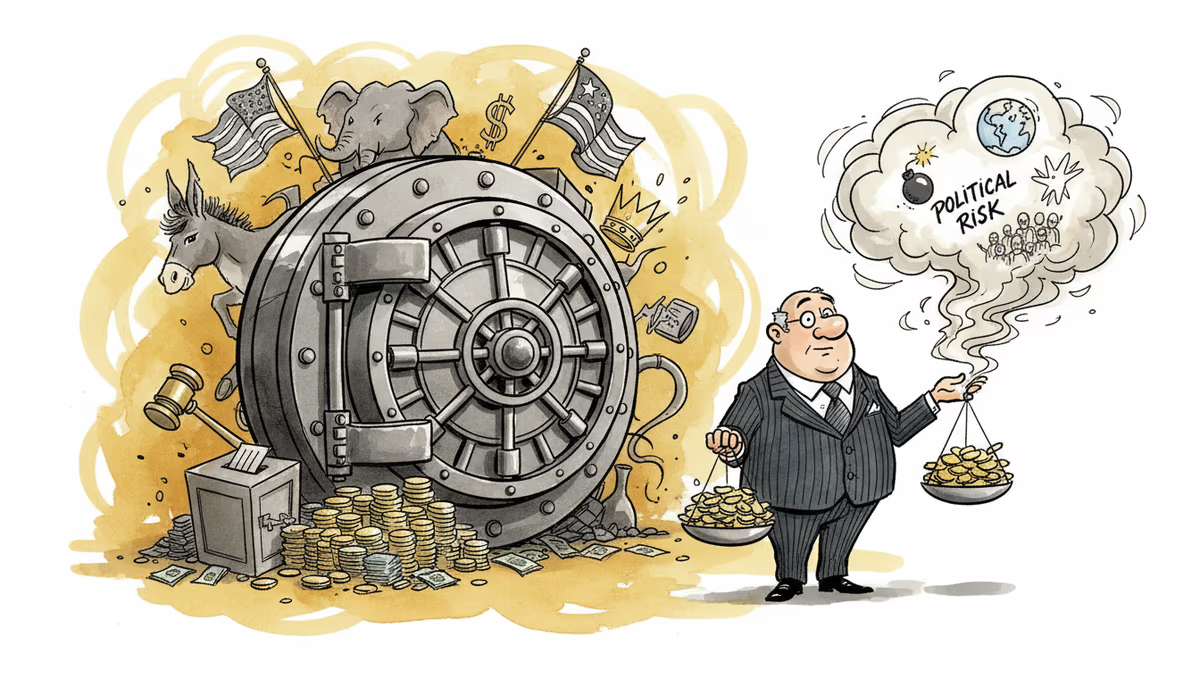
JPMorgan revealed it closed Trump's bank accounts a month after the Capitol attack, highlighting the growing intersection of politics and financial services in corporate risk management.
Bitcoin approaches $60,000 as investors abandon risky assets, signaling a potential shift in crypto's role as digital gold or speculative play.
Gulf businesses are snapping up political violence insurance as regional conflict spreads. What does a booming war-risk market tell us about where the world is heading?
Companies deploying AI are facing unexpected failures not from rogue systems, but from AI that follows instructions too literally. A beverage company overproduced hundreds of thousands of cans, while a customer service bot approved refunds indiscriminately.
JPMorgan revealed it closed Trump's bank accounts a month after the Capitol attack, highlighting the growing intersection of politics and financial services in corporate risk management.
Bitcoin approaches $60,000 as investors abandon risky assets, signaling a potential shift in crypto's role as digital gold or speculative play.
Thoughts
Share your thoughts on this article
Sign in to join the conversation