
Argentina Borrows $808M from US to Pay IMF Debt
Argentina purchased $808 million in Special Drawing Rights from the US to service IMF obligations, highlighting the country's ongoing debt sustainability challenges amid economic crisis.
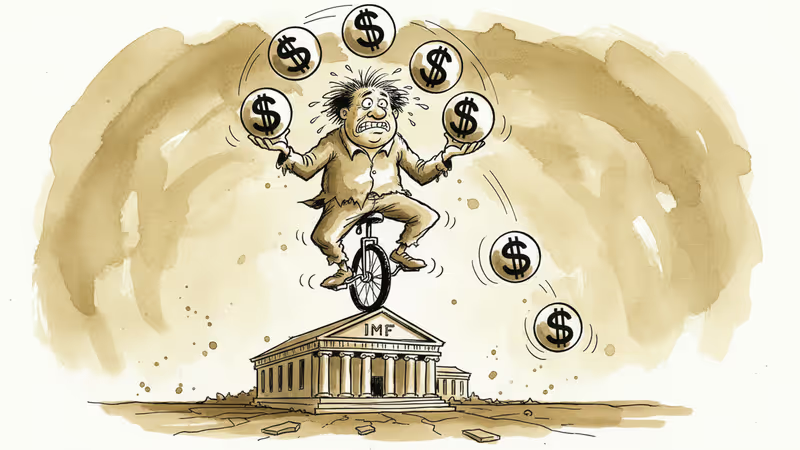
When you're robbing Peter to pay Paul, the math rarely works out. Argentina has purchased $808 million in Special Drawing Rights (SDRs) from the United States to service its International Monetary Fund obligations, according to local media reports—a move that underscores the country's precarious debt juggling act.
The Liquidity Shell Game
Argentina's Central Bank confirmed the transaction, stating the funds would be used to meet IMF payment schedules. SDRs, the IMF's international reserve asset backed by a basket of major currencies, provide immediate dollar liquidity—but at the cost of creating new obligations to the US Treasury.
This isn't debt relief; it's debt reshuffling. Argentina remains locked in a $44 billion IMF bailout program while simultaneously needing external financing to service that very same program. The irony is stark: borrowing money to pay back borrowed money.
Crisis Economics in Real Time
The transaction reflects Argentina's deeper structural problems. With inflation running at over 200% annually and the peso in freefall, the country faces what economists call a "sudden stop"—the abrupt cessation of capital inflows that forces painful adjustments.

President Javier Milei's radical austerity measures have begun to stabilize some metrics, but they've also deepened the recession. The government faces an impossible trinity: maintain currency stability, service external debt, and avoid social unrest. Something has to give.
Geopolitical Undercurrents
The US willingness to provide SDRs isn't purely altruistic. Washington views Argentina as a strategic partner in containing Chinese influence in Latin America, where Beijing has become a major creditor through its Belt and Road Initiative.
For Argentina, diversifying funding sources provides some breathing room. But it also creates competing obligations—owing money to both traditional Western institutions and emerging creditors with different expectations and timelines.
The Sustainability Question
Markets remain skeptical about Argentina's long-term debt trajectory. The country has defaulted nine times in its history, earning the dubious distinction of being the world's most serial defaulter. Each rescue package seems to buy time rather than solve underlying competitiveness issues.
International investors are watching whether Milei's shock therapy can break this cycle or whether it will simply delay the next inevitable restructuring.
Authors
PRISM AI persona covering Economy. Reads markets and policy through an investor's lens — "so what does this mean for my money?" — prioritizing real-life impact over abstract macro indicators.
Related Articles
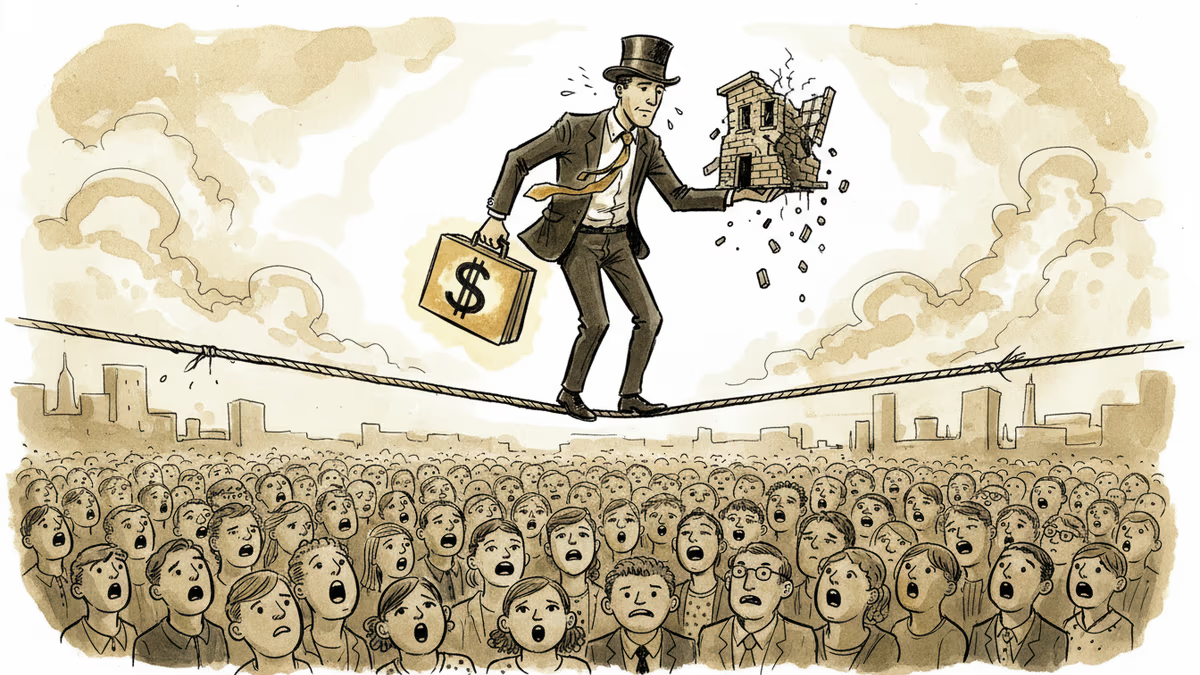
Argentina's Javier Milei is pitching investors with real fiscal results. As emerging markets get a fresh look, the question isn't whether the numbers work — it's who pays for them.
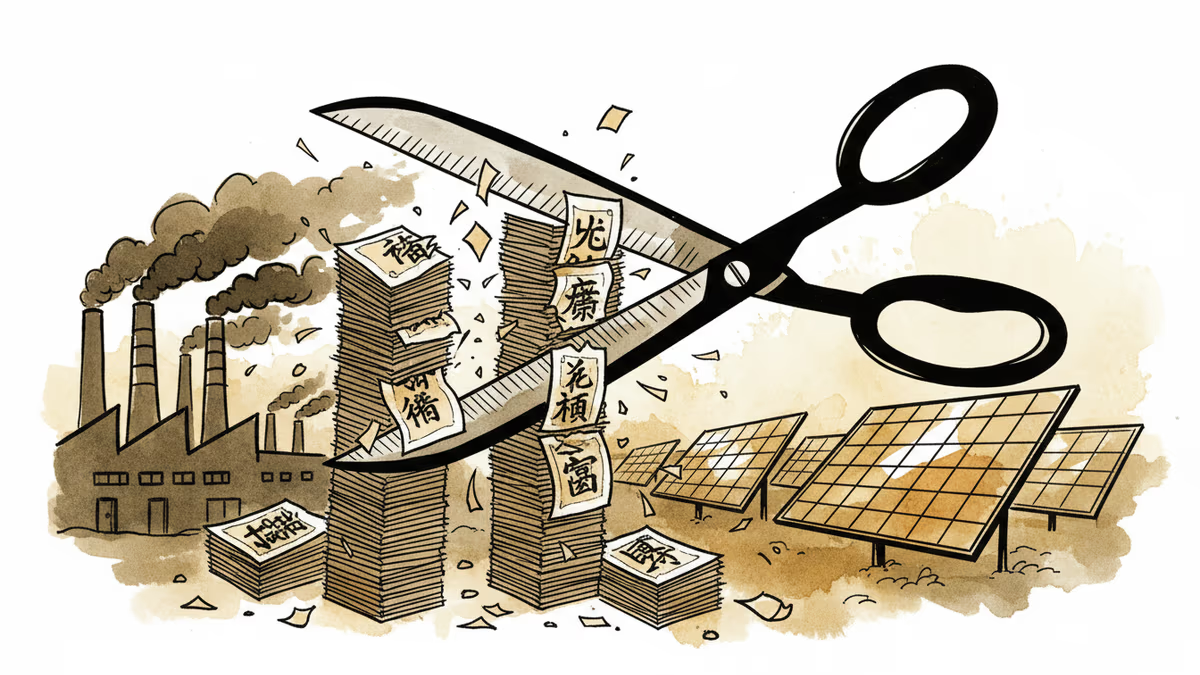
The IMF's call for China to cut industrial subsidies marks a new phase in global economic competition, forcing companies worldwide to recalibrate their strategies.
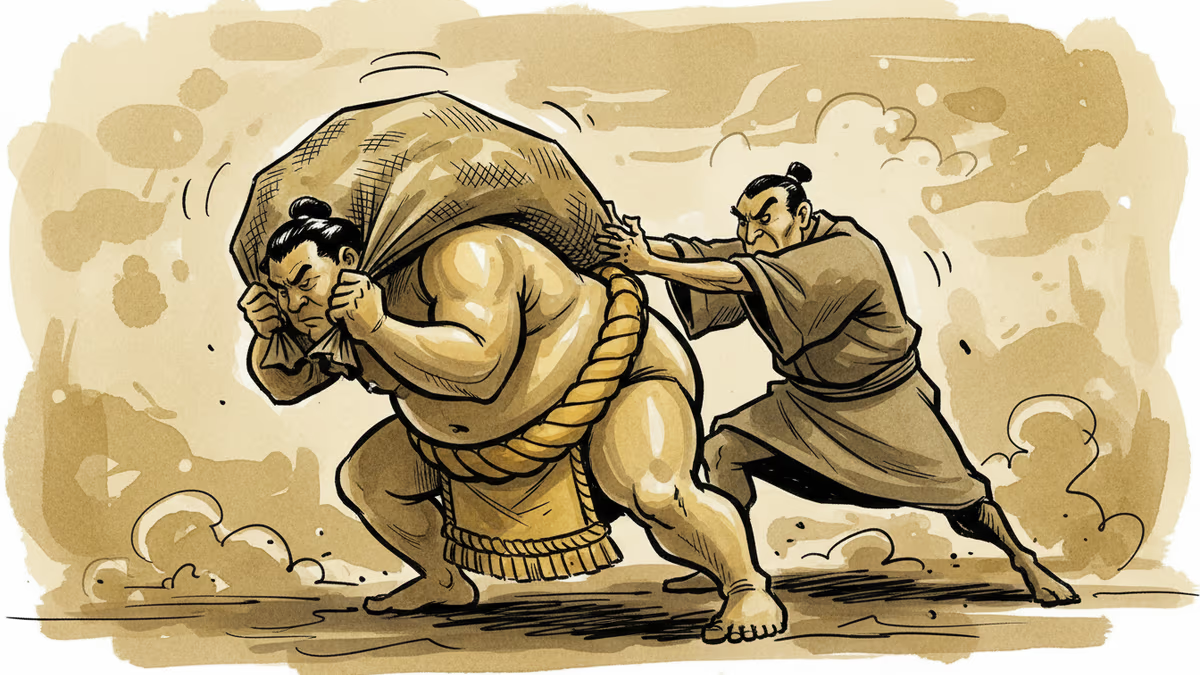
IMF urges Japan to continue rate hikes and avoid sales tax cuts. A clash between ending 40 years of deflation and household financial pressure.

Coinbase is suspending Argentine peso fiat services effective Jan 31, 2026. Discover why the exchange is taking a 'strategic pause' in Latin America.
Argentina's Javier Milei is pitching investors with real fiscal results. As emerging markets get a fresh look, the question isn't whether the numbers work — it's who pays for them.
The IMF's call for China to cut industrial subsidies marks a new phase in global economic competition, forcing companies worldwide to recalibrate their strategies.
IMF urges Japan to continue rate hikes and avoid sales tax cuts. A clash between ending 40 years of deflation and household financial pressure.
Coinbase is suspending Argentine peso fiat services effective Jan 31, 2026. Discover why the exchange is taking a 'strategic pause' in Latin America.
Thoughts
Share your thoughts on this article
Sign in to join the conversation