
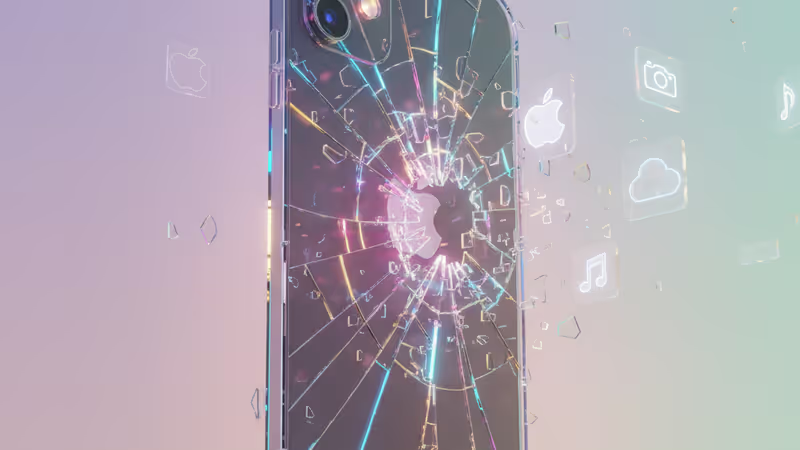
Apple's Fortress Breached: DOJ Lawsuit Aims to Dismantle the iPhone Ecosystem
The DOJ's antitrust lawsuit against Apple is a tectonic shift. We analyze its impact on tech, finance, and the future of platform monopolies. This is not just a lawsuit, it's the end of an era.
The Lede: Beyond the Headlines
The US Department of Justice's landmark antitrust lawsuit against Apple is far more than a legal skirmish over app stores or green text bubbles. For any executive, investor, or strategist, this is a seismic event. It represents a direct assault on the 'walled garden' business model that has defined a decade of tech dominance and created trillions in value. This case will determine the future architecture of the digital economy. Pay attention—the ground is shifting.
Why It Matters: The Ripple Effect
This isn't just Apple's problem. The lawsuit's outcome will have cascading effects across multiple sectors, fundamentally altering the rules of engagement for platform-based businesses.
- For Software & App Developers: A forced opening of iOS could dismantle the 30% App Store commission, creating new revenue models and enabling the rise of 'super apps' that bypass Apple's ecosystem entirely. It's a potential gold rush for innovators who have been constrained by platform rules.
- For Competing Hardware: The suit specifically targets how the Apple Watch and other accessories are tightly integrated, while third-party devices are kneecapped. A successful challenge could level the playing field for companies like Garmin, Samsung, and Tile, making interoperability a key competitive advantage.
- For the Financial Sector: By targeting Apple's restrictions on third-party digital wallets, the DOJ is prying open the lucrative tap-to-pay market. This creates a massive opportunity for banks and fintech players to compete directly with Apple Pay on its own hardware.
The Analysis: Echoes of Microsoft
We've seen this playbook before. The DOJ's case against Apple bears a striking resemblance to the United States v. Microsoft Corp. case of the 1990s. Then, Microsoft used its Windows monopoly to crush competitors like Netscape by bundling Internet Explorer. The government argued this stifled innovation. The court agreed.
That landmark ruling didn't break up Microsoft, but it reined in its anti-competitive behavior, paving the way for the next generation of tech giants—including Google and, ironically, Apple's own resurgence with the iPod and iTunes. The DOJ is making an almost identical argument today: that Apple is using its iPhone dominance to illegally extend its power into new markets like gaming, messaging, and payments. The government isn't just fighting the last war; it's using a proven blueprint for a new generation of platform monopolies.
PRISM Insight: The End of the Ecosystem Premium
For years, investors have rewarded Apple with a premium valuation based on the strength and profitability of its locked-in ecosystem. The services division, built on the back of this captive audience, is Apple's primary growth engine. This lawsuit, combined with the EU's Digital Markets Act (DMA), directly threatens that moat.
The key takeaway is a global regulatory pincer movement. What starts in Europe no longer stays in Europe. The era of dominant, closed ecosystems as a defensible investment thesis is over. The new frontier is interoperability and competing on merit, not on lock-in. Investors must now price in a significant 'regulatory risk' discount for all platform-centric Big Tech stocks and look for opportunities in the companies poised to benefit from these newly opened ecosystems—from cloud gaming services to independent payment platforms.
PRISM's Take: The Walls Are Coming Down
Apple will fiercely defend its fortress on the grounds of user security, privacy, and a seamless experience. While valid, that argument is weakening. This lawsuit is not an attempt to 'break up' Apple in a literal sense. Instead, it’s a strategic effort to force holes in the walls of its garden.
The DOJ's focus on tangible consumer annoyances—like degraded cross-platform messaging and limited smartwatch functionality—is a brilliant tactical move, making the complex antitrust argument relatable to millions. The inevitable outcome is not the destruction of the iPhone, but its evolution into a more open platform. This will be messy and may introduce new friction for users in the short term. However, it will ultimately foster a more competitive and innovative digital landscape. Apple's era of absolute control is ending, and it must now prepare to compete on a playing field it can no longer dictate.
Related Articles
The DOJ's botched release of the Epstein files is more than a scandal. It's a critical lesson in data transparency, digital trust, and information warfare.
Apple TV+ is weaponizing A-list talent and prestige films not just to win subscribers, but to fortify its entire trillion-dollar tech ecosystem.

Despite Sino-Japanese tensions, Sushiro's Shanghai debut is a smash hit. Our analysis reveals why consumer culture is overriding politics in China's market.

A viral Cristiano Ronaldo photo is more than a fitness post. It's a masterclass in personal branding, the creator economy, and the future of media empires.