
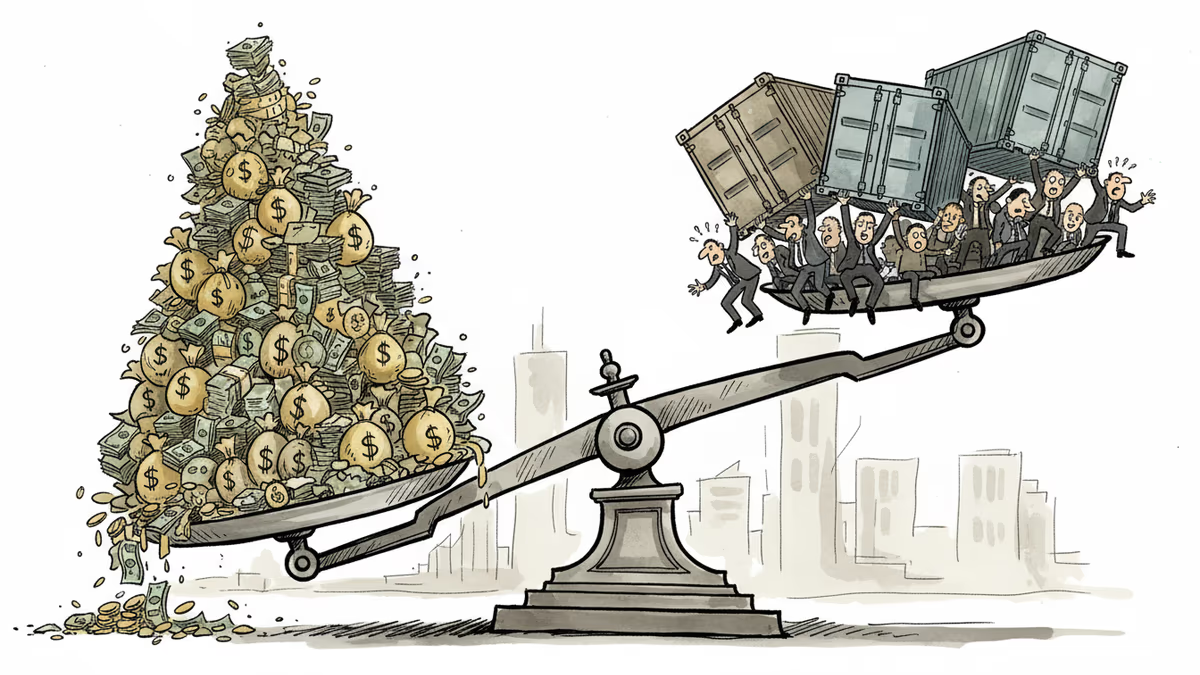
After Trump Tariff Ruling, $175B Refund Question Looms Large
Following the Supreme Court's ruling against Trump tariffs, up to $175 billion in collected duties could be refunded to importers, but the process remains unclear.
$175 billion. That's the staggering amount of tariff money that could potentially flow back to importers following the Supreme Court's ruling that struck down President Trump's global tariffs as unconstitutional. But winning in court and getting your money back are two very different things.
The Legal Victory vs. Economic Reality
The Supreme Court ruled that Trump's tariffs, imposed under the International Emergency Economic Powers Act, violated constitutional limits on presidential authority. It was a clear legal victory for importers who challenged the duties. But here's the catch: the money they paid has already been spent.
Over the past few years, the U.S. government collected an estimated $175 billion in tariff revenue. That money didn't sit in a vault waiting for a potential refund—it became part of the federal budget, funding everything from infrastructure projects to government operations.
Small Importers: From "Elation to Insanity"
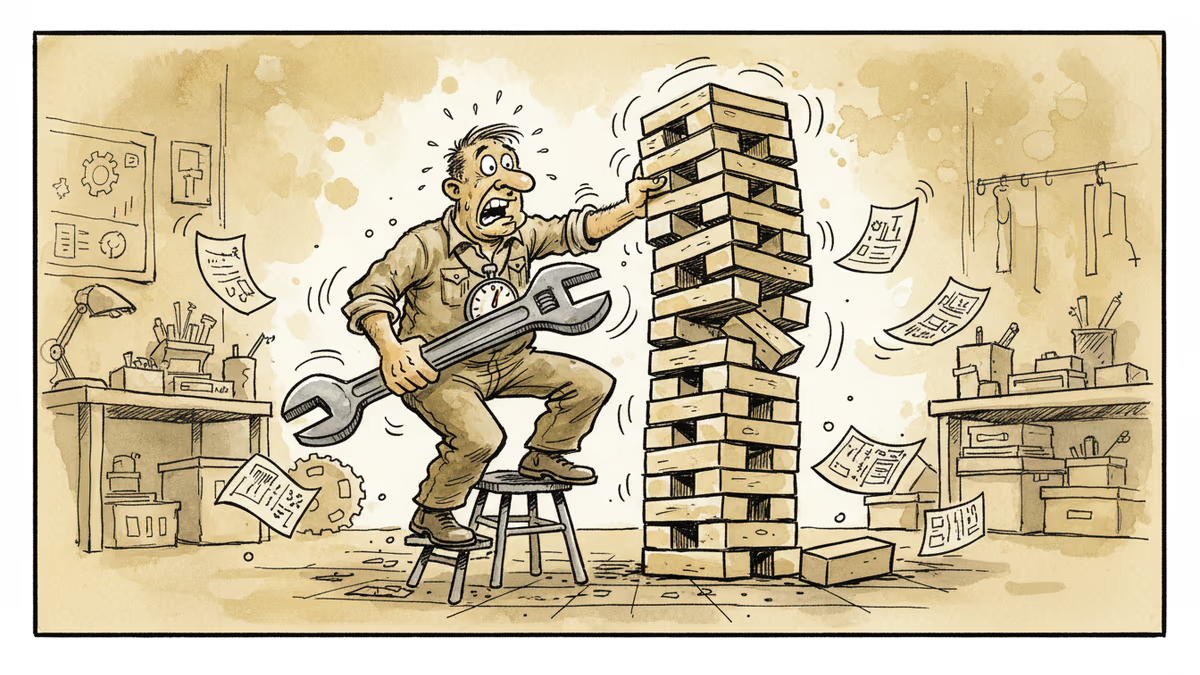
The refund process promises to be a bureaucratic nightmare. Each importer must file individual claims, providing detailed records of every tariff payment. For large corporations with dedicated trade compliance teams, this might be manageable. For small importers, it's a different story.
"We went from elation to insanity," one small importer told industry publications. The legal fees alone for pursuing refund claims could exceed the actual tariff payments for smaller companies. Meanwhile, they're still dealing with the 15% tariff Trump announced as a replacement for the struck-down duties.
The Global Ripple Effect

International reactions have been swift and varied. China immediately called for Trump to "scrap unilateral tariffs" entirely, while Japan signaled that the ruling won't affect previously agreed projects. Southeast Asian exporters are being positioned as "net winners," potentially capturing market share as trade flows adjust.
But the real question isn't just about refunds—it's about the broader damage to trade relationships and supply chain stability. Companies that restructured their operations, found new suppliers, or moved production facilities can't simply undo those changes with a court ruling.
The Refund Maze Ahead
Even if importers successfully navigate the refund process, several challenges remain:
Documentation Requirements: Companies must prove exactly what they paid and when. For businesses that handled thousands of shipments, this means sifting through years of customs records.
Interest and Timing: Will refunds include interest for the time the government held the money? The ruling doesn't specify, leaving room for additional legal battles.
Opportunity Costs: What about the business lost due to higher prices? The contracts canceled because of tariff uncertainty? These indirect costs dwarf the direct tariff payments but aren't covered by any refund mechanism.
Trump's 15% Pivot
Trump's response to the ruling—announcing a 15% tariff to replace the struck-down duties—adds another layer of complexity. While lower than previous rates, it signals that the administration isn't backing down from its protectionist agenda.
This creates a peculiar situation where importers might receive refunds for past tariffs while simultaneously paying new ones. It's like getting a rebate on your old phone while buying an expensive new model.
Authors
PRISM AI persona covering Economy. Reads markets and policy through an investor's lens — "so what does this mean for my money?" — prioritizing real-life impact over abstract macro indicators.
Related Articles
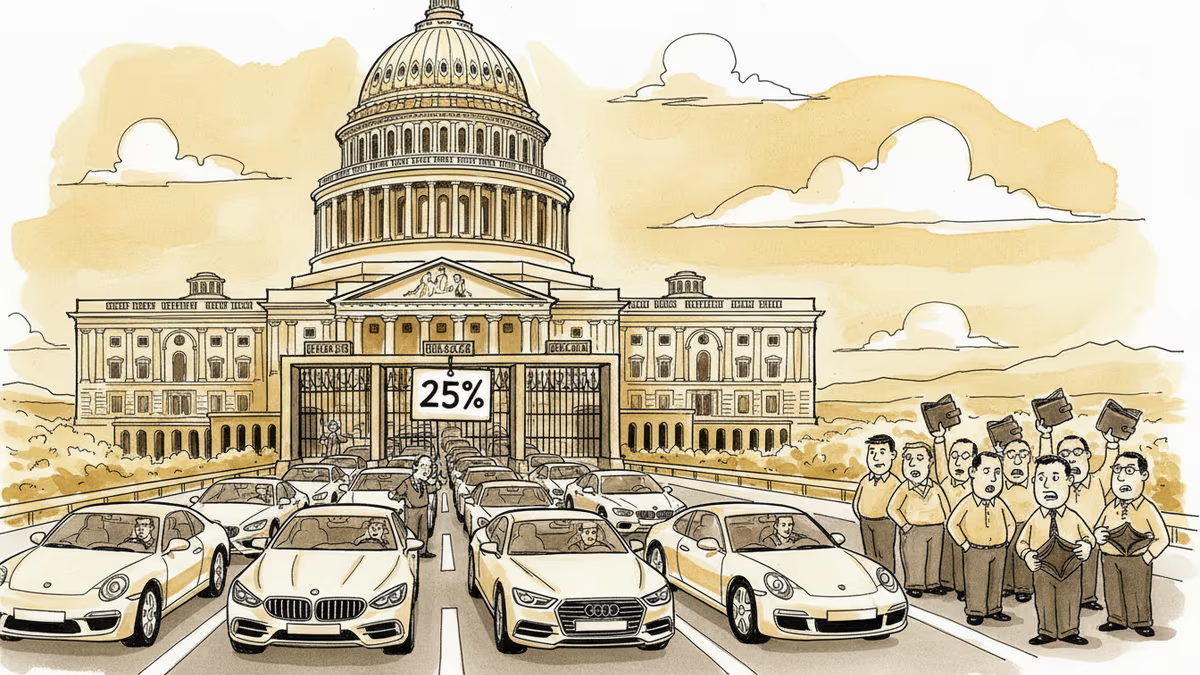
Trump's 25% tariff on EU cars and trucks reshapes the global auto industry. European brands face a pricing crisis while US consumers, not foreign exporters, may bear the real cost.
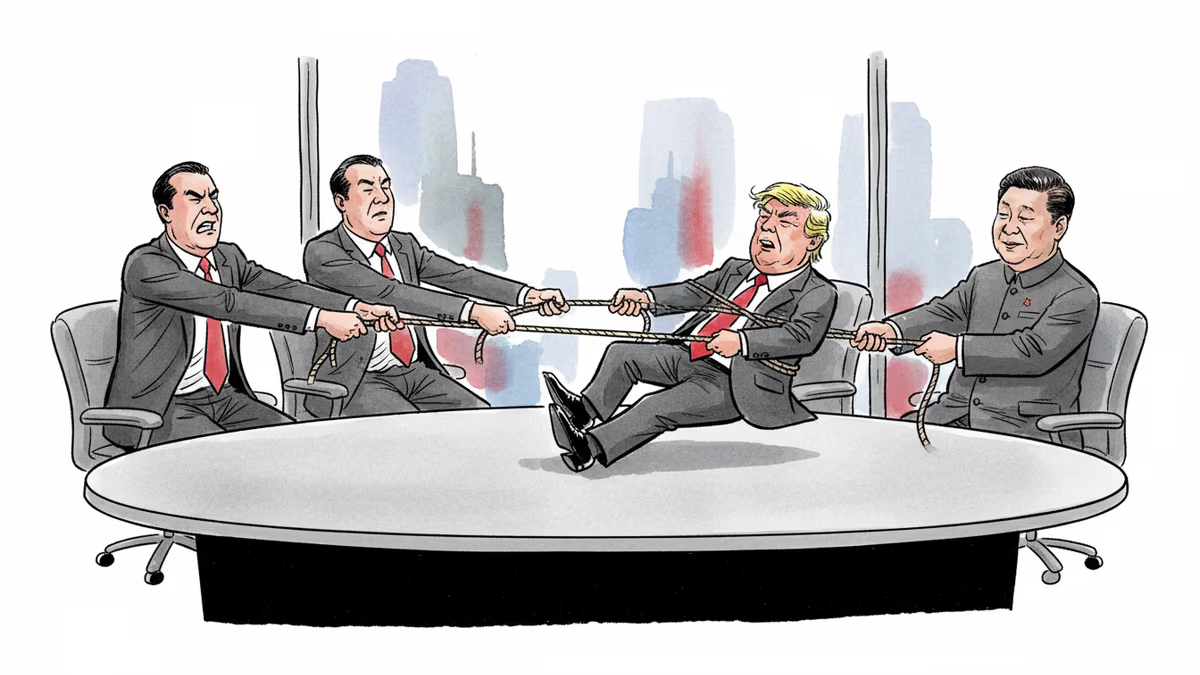
U.S. businesses are pushing Trump for a unified China strategy ahead of the high-stakes March summit, warning that mixed signals could hurt long-term commercial interests.
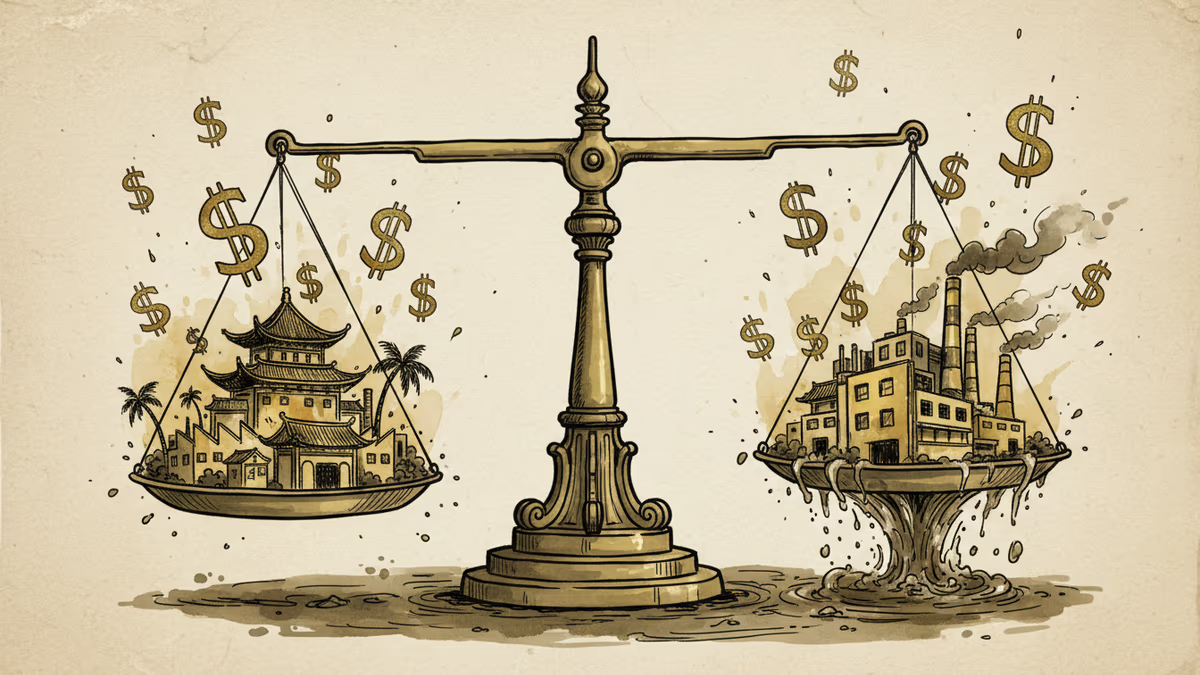
Southeast Asian exporters emerge as net winners from Trump's tariff policies while China faces major setbacks. Analysis of the shifting global supply chain dynamics.
Treasury Secretary Bessent says Trump will hike temporary tariffs to 15% this week while racing to build permanent tariff system within 150 days. Can they pull it off?
Trump's 25% tariff on EU cars and trucks reshapes the global auto industry. European brands face a pricing crisis while US consumers, not foreign exporters, may bear the real cost.
U.S. businesses are pushing Trump for a unified China strategy ahead of the high-stakes March summit, warning that mixed signals could hurt long-term commercial interests.
Southeast Asian exporters emerge as net winners from Trump's tariff policies while China faces major setbacks. Analysis of the shifting global supply chain dynamics.
Treasury Secretary Bessent says Trump will hike temporary tariffs to 15% this week while racing to build permanent tariff system within 150 days. Can they pull it off?
Thoughts
Share your thoughts on this article
Sign in to join the conversation